
#TheFurnitureTimes
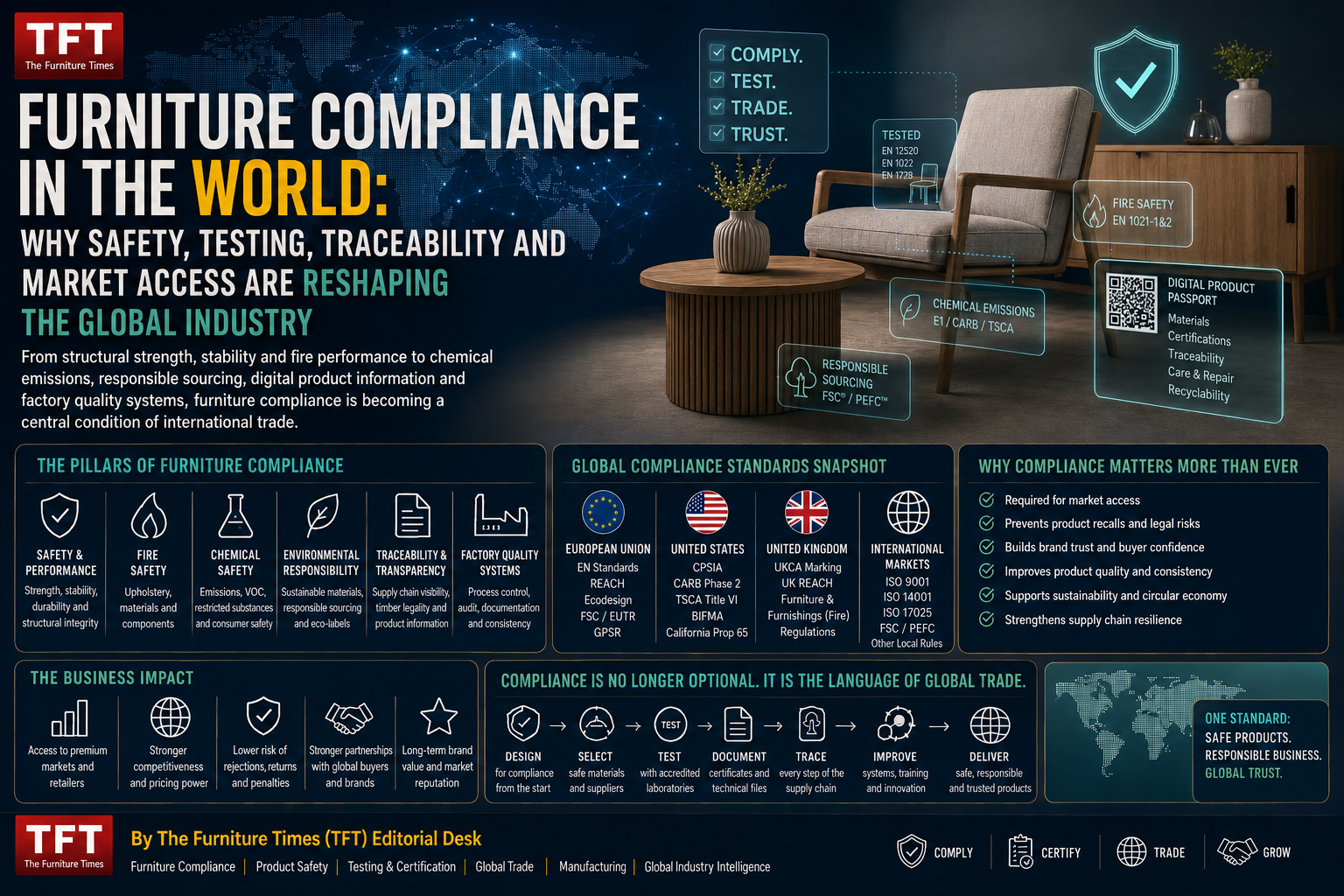
Furniture Compliance in the World
Furniture manufacturers can no longer rely on one certificate for every market. This global report examines how compliance requirements are changing across Europe, the United Kingdom, the United States, India, Australia, Canada, Asia and the Middle East—and why system readiness is becoming essential for market access.
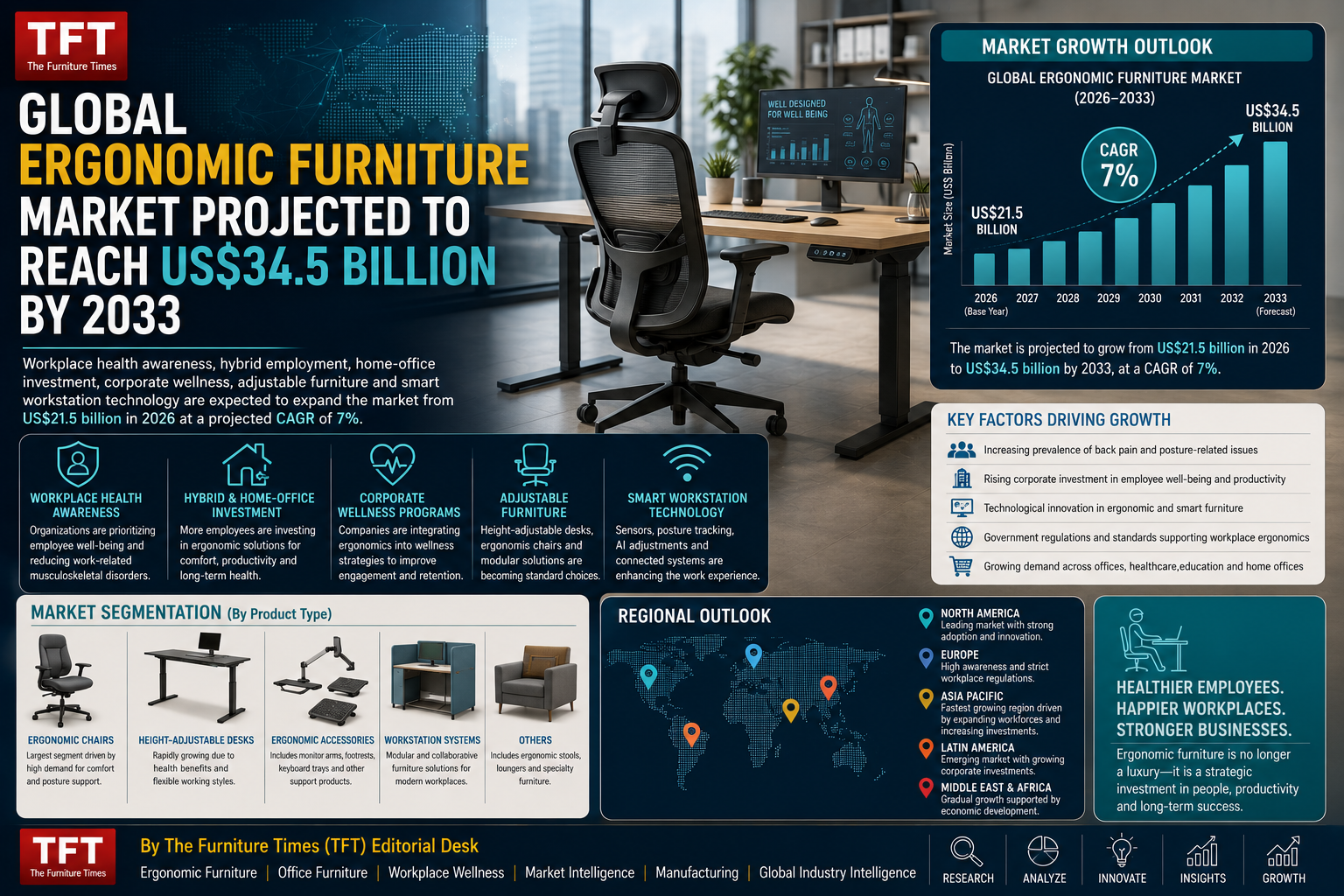
Global Ergonomic Furniture Market Projected to Reach US$34.5 Billion by 2033
Ergonomic furniture is moving beyond premium offices into homes, schools, healthcare, industry and hospitality. This TFT report examines the projected US$34.5 billion market, leading products, regional opportunities, materials, distribution trends and the strategies manufacturers should prepare for.
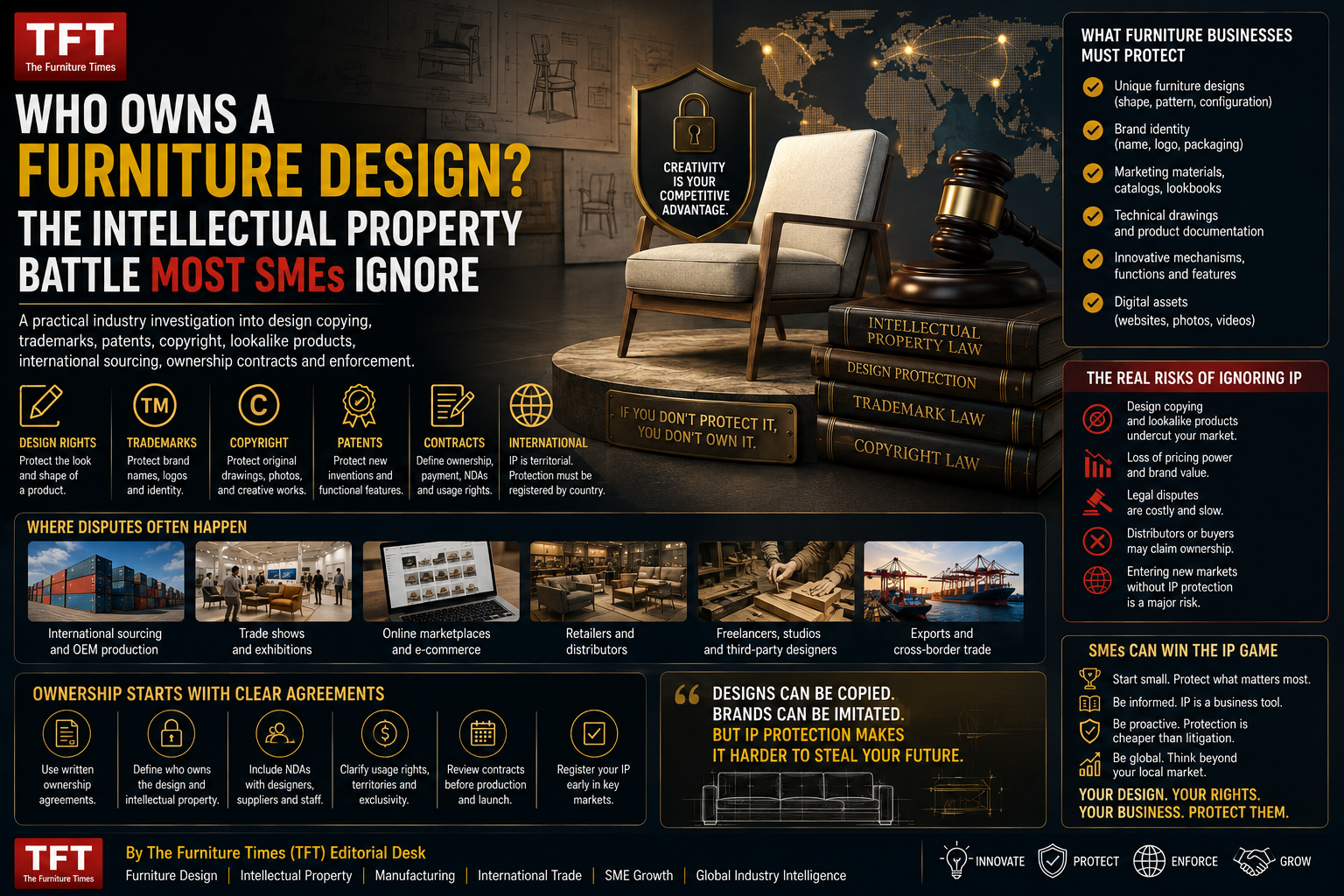
Who Owns a Furniture Design? The Intellectual Property Battle Most SMEs Ignore
Who owns a chair designed by a freelancer, modified by a factory and sold under a retailer’s brand? This detailed TFT investigation examines registered designs, design patents, copyright, trademarks, trade secrets, international sourcing, lookalike products, ownership contracts and enforcement.

Your Competitors Are Getting Published. Why Aren’t You?
News coverage is no longer reserved for large corporations. Manufacturers, retailers, suppliers and artisans can use credible publishing to strengthen visibility, search authority, AI discovery, customer trust and sales. This TFT report explains why your competitors are getting published—and what you must do to catch up.
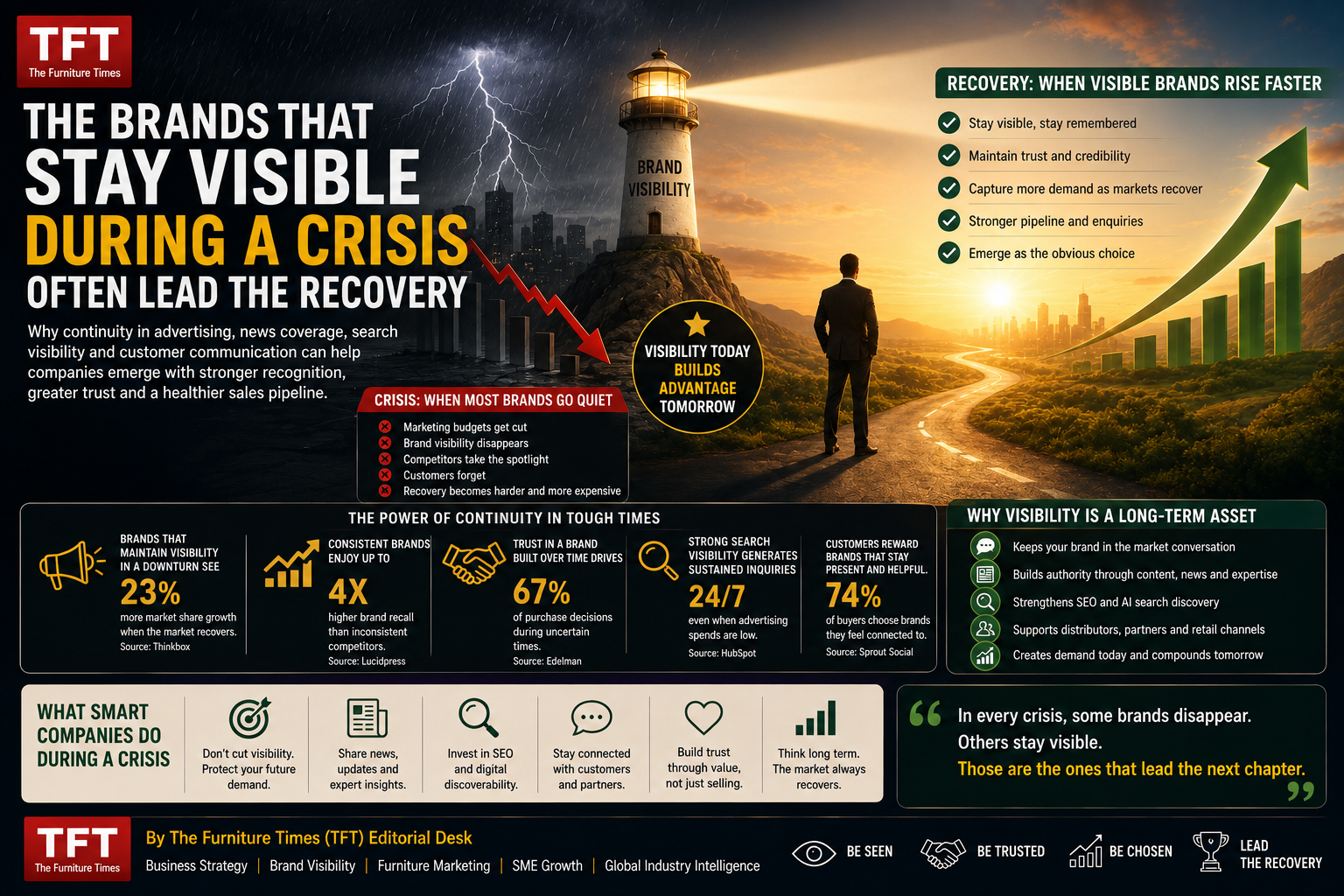
The Brands That Stay Visible During a Crisis Often Lead the Recovery
Economic uncertainty may reduce demand, but it does not stop customers from searching, comparing and forming opinions. This detailed TFT analysis explains why brands that maintain advertising, news coverage, search visibility and customer communication are often better positioned to lead the recovery.
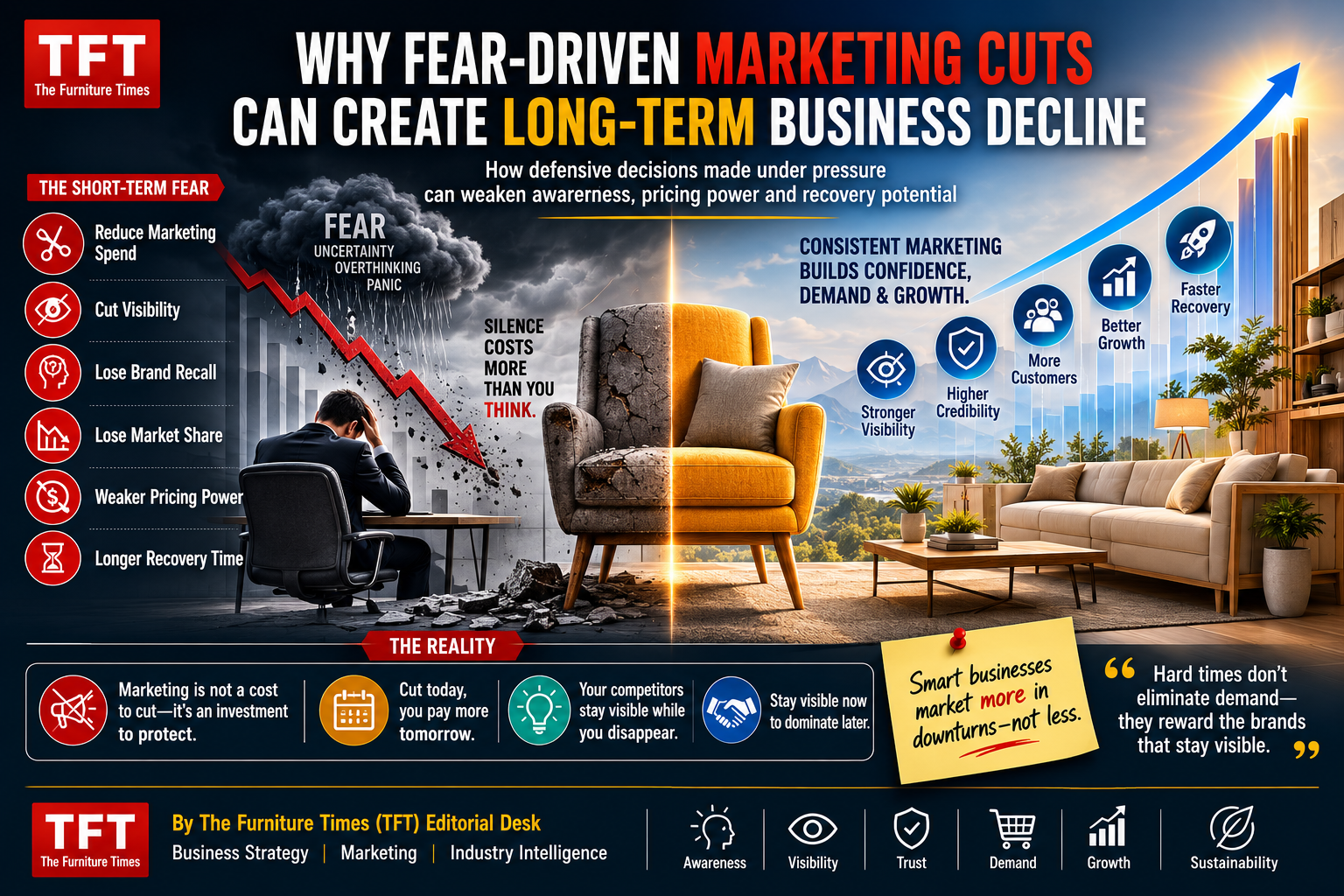
Why Fear-Driven Marketing Cuts Can Create Long-Term Business Decline
When businesses stop advertising under pressure, they do more than reduce expenditure—they surrender visibility, customer attention and future demand. This detailed analysis explains why disciplined brands remain present during uncertainty and how companies can cut costs without disappearing from the market.
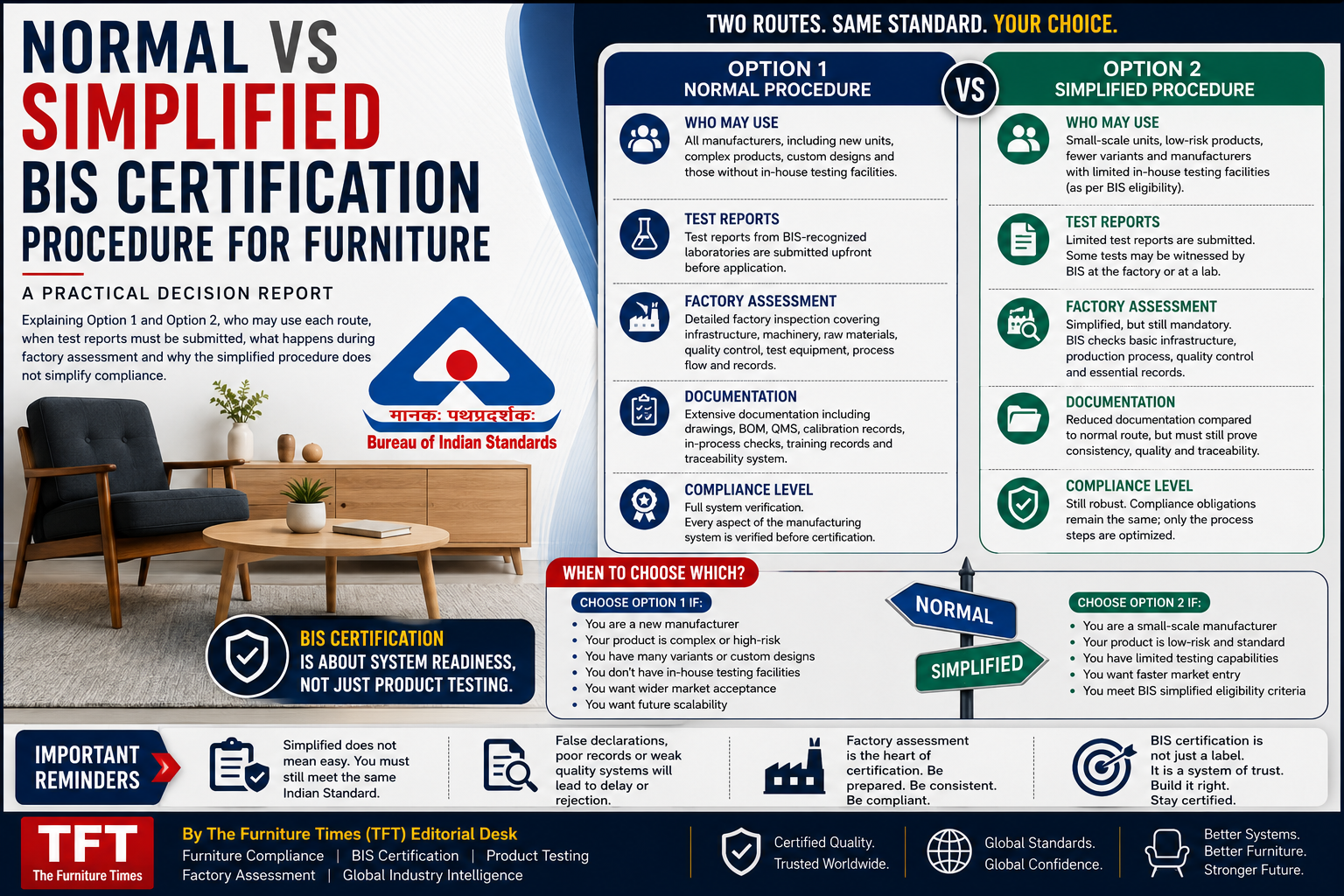
Normal vs Simplified BIS Certification Procedure for Furniture
The simplified BIS procedure is not a shortcut around compliance. Option 2 front-loads laboratory testing and may reduce processing time for eligible domestic manufacturers, while Option 1 generally relies on samples drawn during BIS factory assessment. This report explains the differences, risks and preparation requirements.
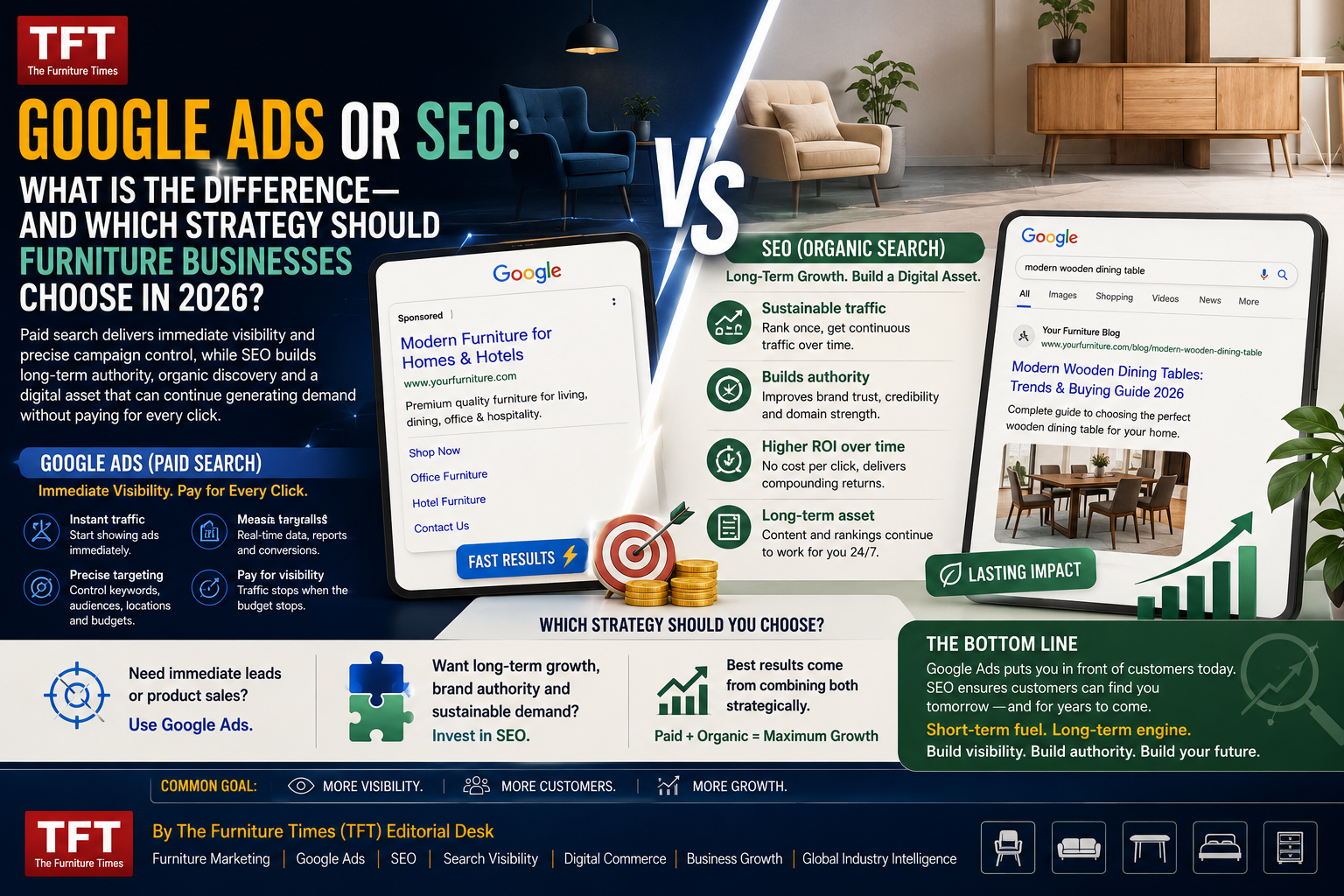
Google Ads or SEO: What Is the Difference
A detailed comparison of Google Ads and SEO for furniture manufacturers, retailers and suppliers, explaining speed, costs, targeting, sustainability, measurement, AI search and the advantages of using both channels together.
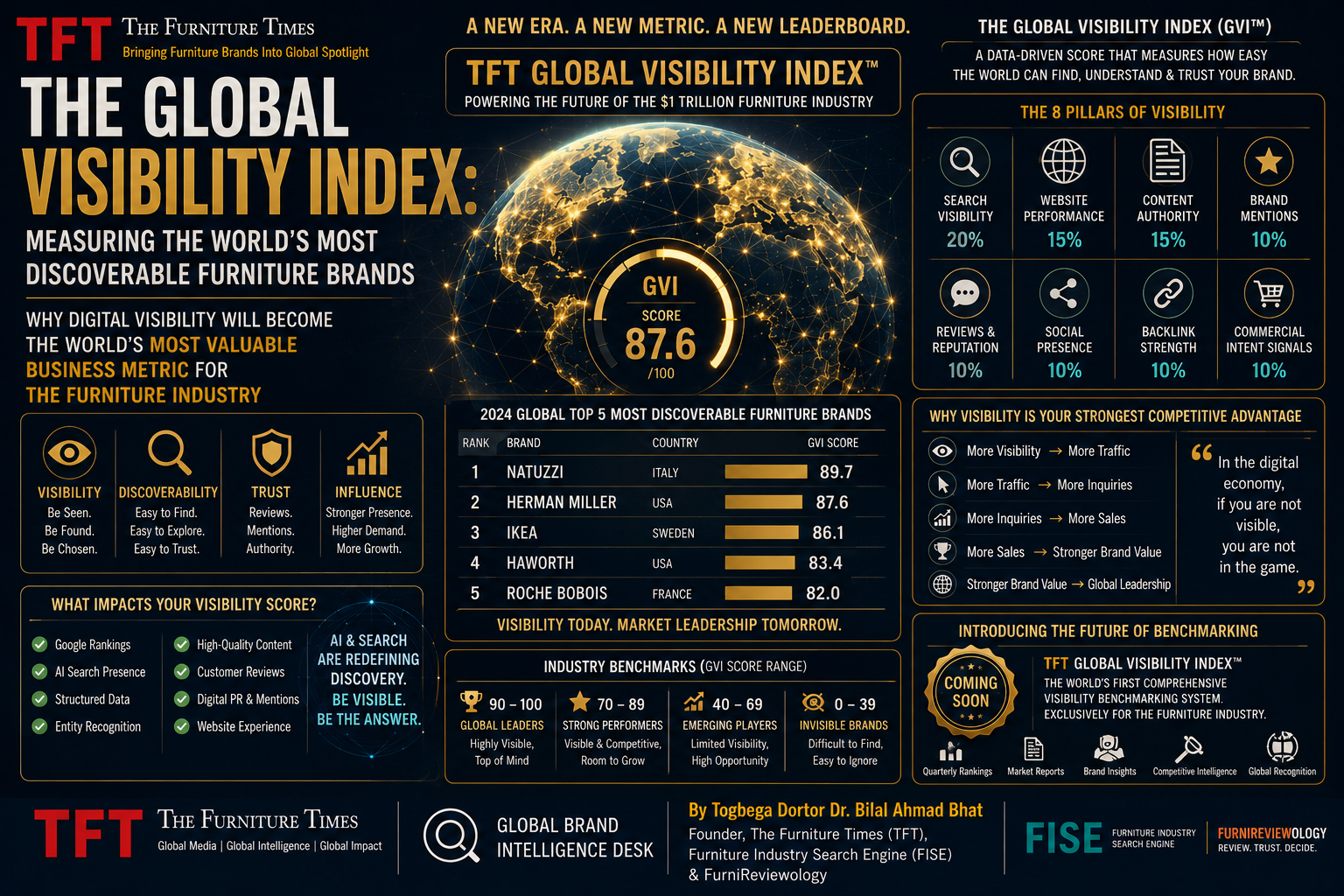
The Global Visibility Index: Measuring the World’s Most Discoverable Furniture Brands
How do you measure a furniture brand’s true digital influence? This report introduces the vision for the TFT Global Visibility Index, a future framework that evaluates search visibility, SEO authority, AI citations, reviews, media coverage, digital footprint and brand trust across the global furniture industry.
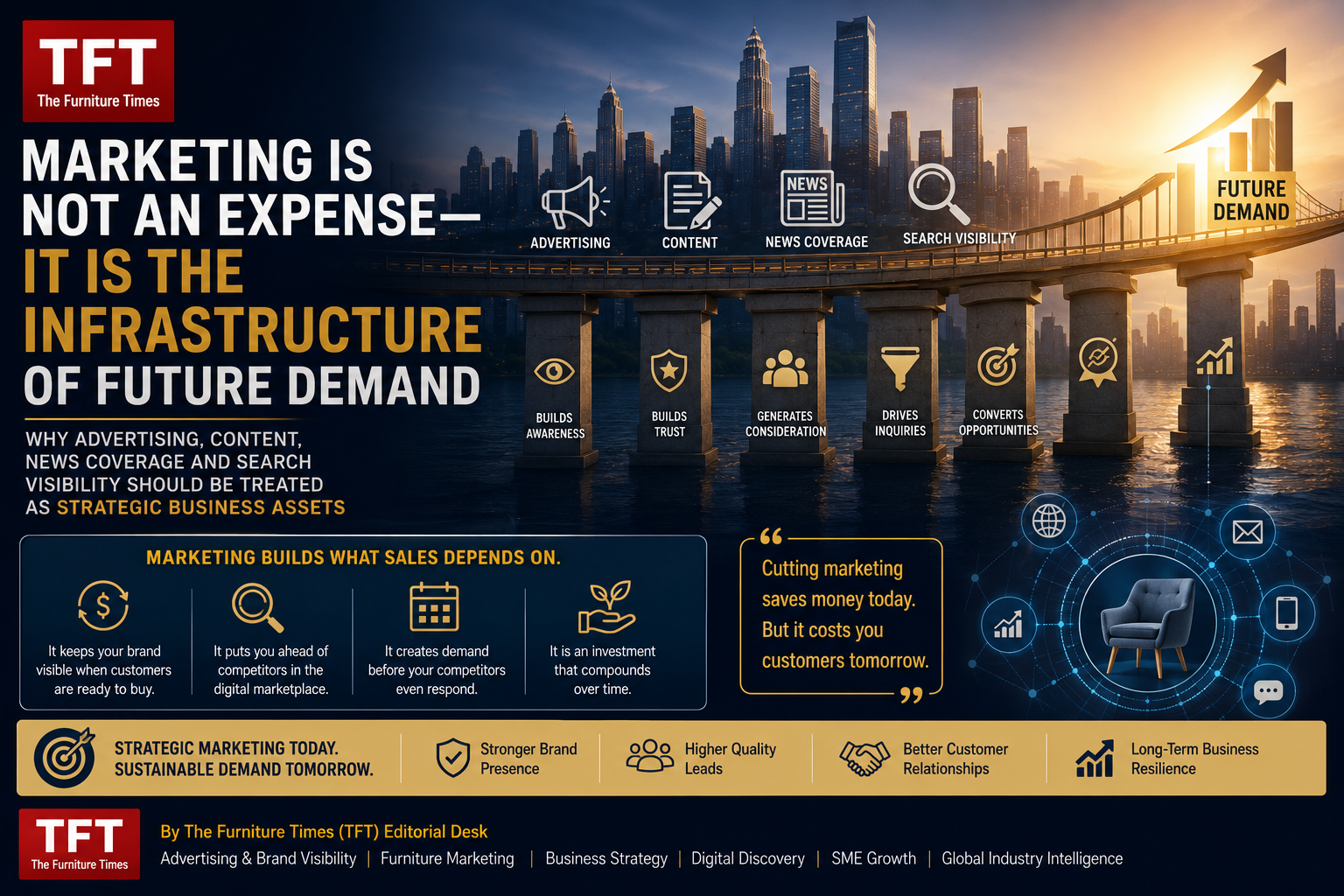
Marketing Is Not an Expense—It Is the Infrastructure of Future Demand
Advertising, content, news coverage, search visibility and customer reviews are not optional promotional costs. Together, they create the long-term demand infrastructure that helps businesses become discoverable, credible and commercially resilient.