
Global Industry Intelligence
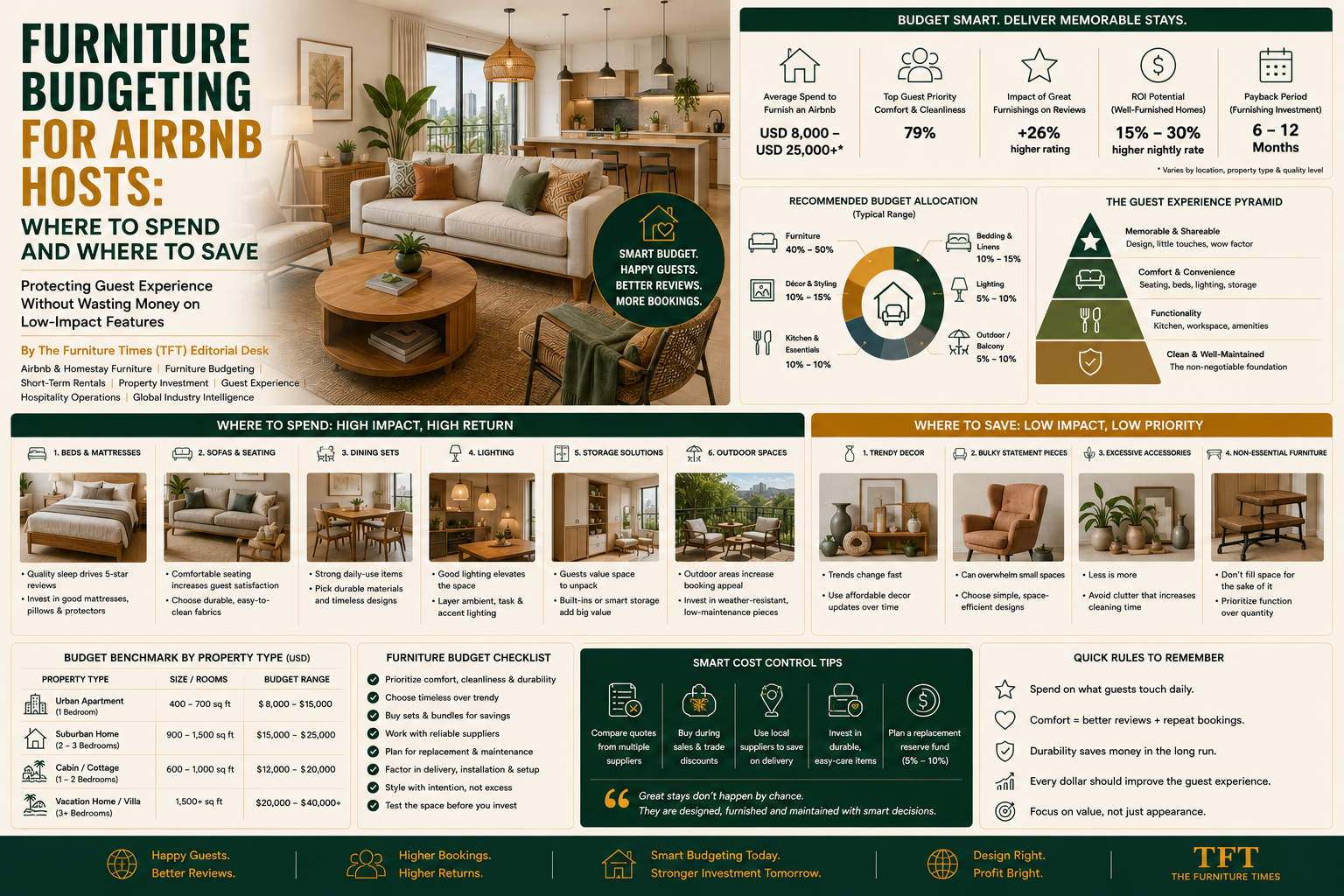
Furniture Budgeting for Airbnb Hosts: Where to Spend and Where to Save
Airbnb hosts do not need to buy the cheapest furniture or spend heavily on every room. They need to invest in products that protect sleep, comfort, safety, cleanliness and operational reliability. This detailed guide explains where hosts should spend, where they can save and how lifecycle costs should influence every purchasing decision.

The True Cost of Furnishing an Airbnb Property
Furnishing an Airbnb or homestay is not a one-time furniture purchase. Owners must account for design, delivery, installation, appliances, linen, styling, photography, repairs, replacement and lost income when essential items fail. This detailed report explains how to calculate the complete lifecycle cost of a guest-ready rental property.

From Empty Apartment to Guest-Ready Property: The Complete Furnishing Economy
An empty apartment becomes a bookable short-term rental only after designers, furniture manufacturers, procurement specialists, installers, appliance suppliers, cleaners, photographers, technology providers and property managers complete a highly coordinated process. This report maps the complete furnishing economy behind the journey from property handover to first booking.
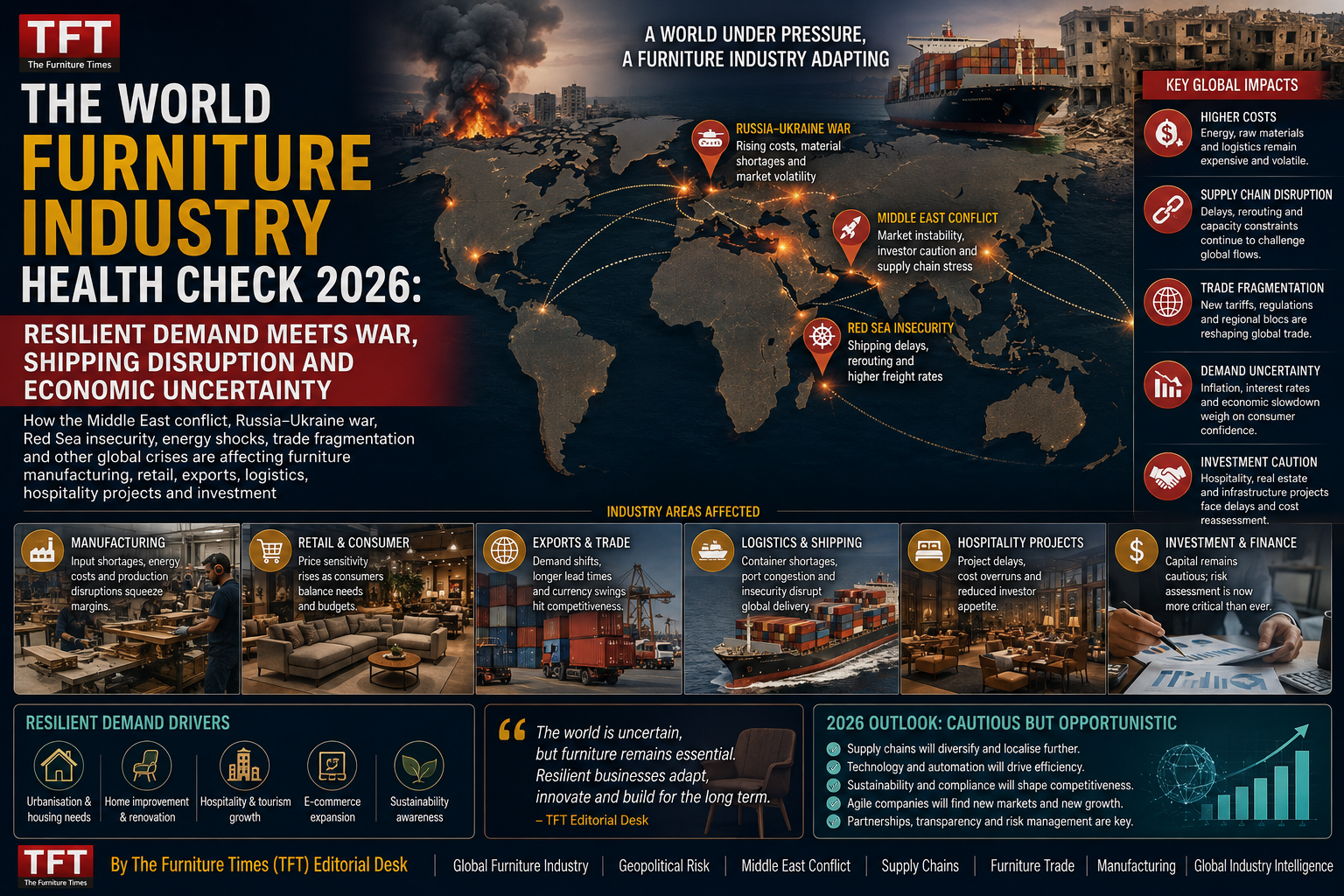
The World Furniture Industry Health Check 2026
TFT’s 2026 global furniture-industry health check finds a sector that is resilient but increasingly fragile. Demand continues across residential, hospitality, office and outdoor markets, yet war, energy inflation, shipping disruption, trade fragmentation and prolonged working-capital cycles are creating sharply different outcomes across regions and businesses.
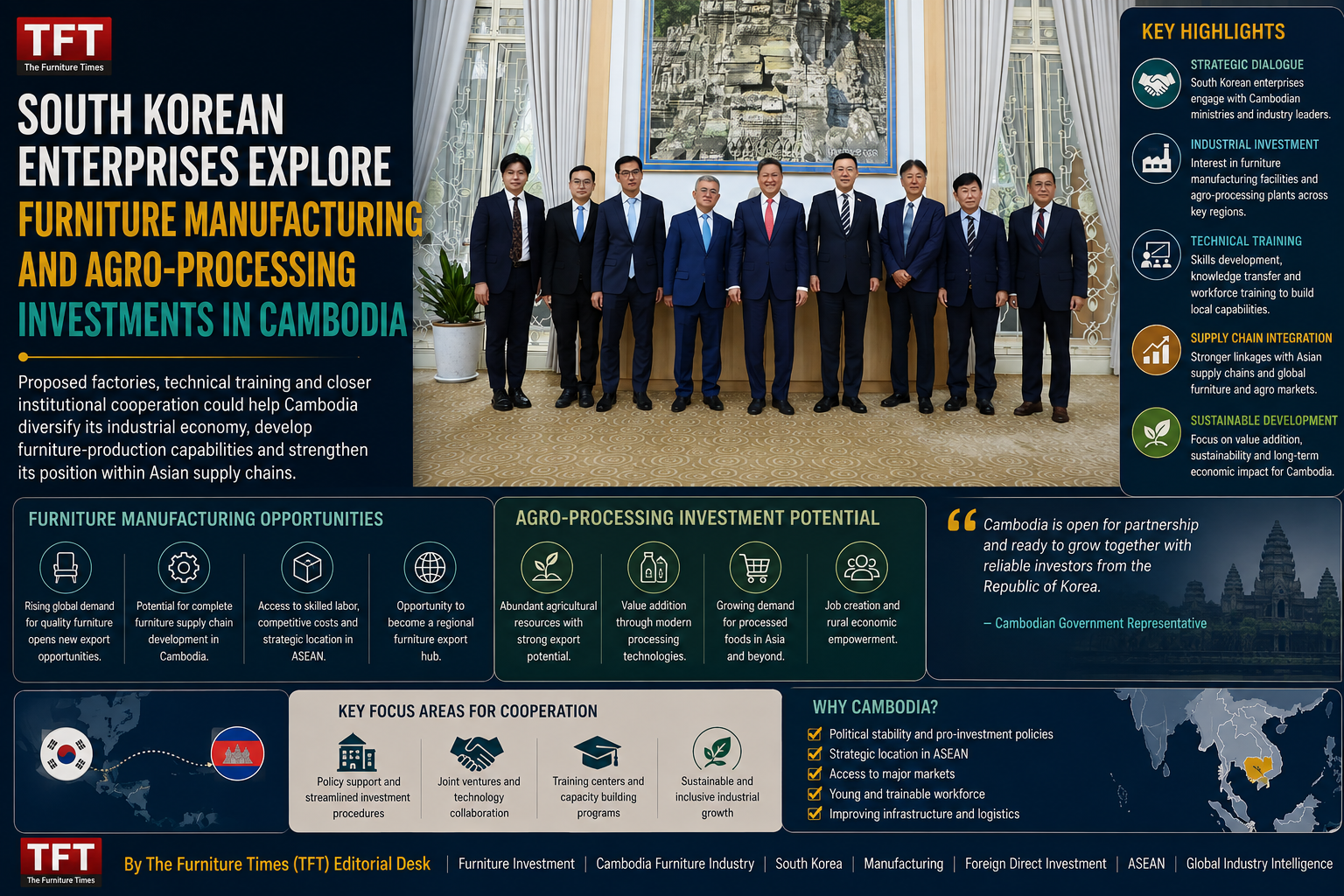
South Korean Enterprises Explore Furniture Manufacturing and Agro-Processing Investments in Cambodia
Discussions between Cambodia’s investment authorities and the Incheon Chamber of Commerce and Industry have placed furniture manufacturing among the sectors being examined by South Korean enterprises. A proposed technical training centre could help prepare Cambodian workers, but the opportunity will depend on confirmed projects, responsible sourcing, quality systems, logistics and long-term skills transfer.
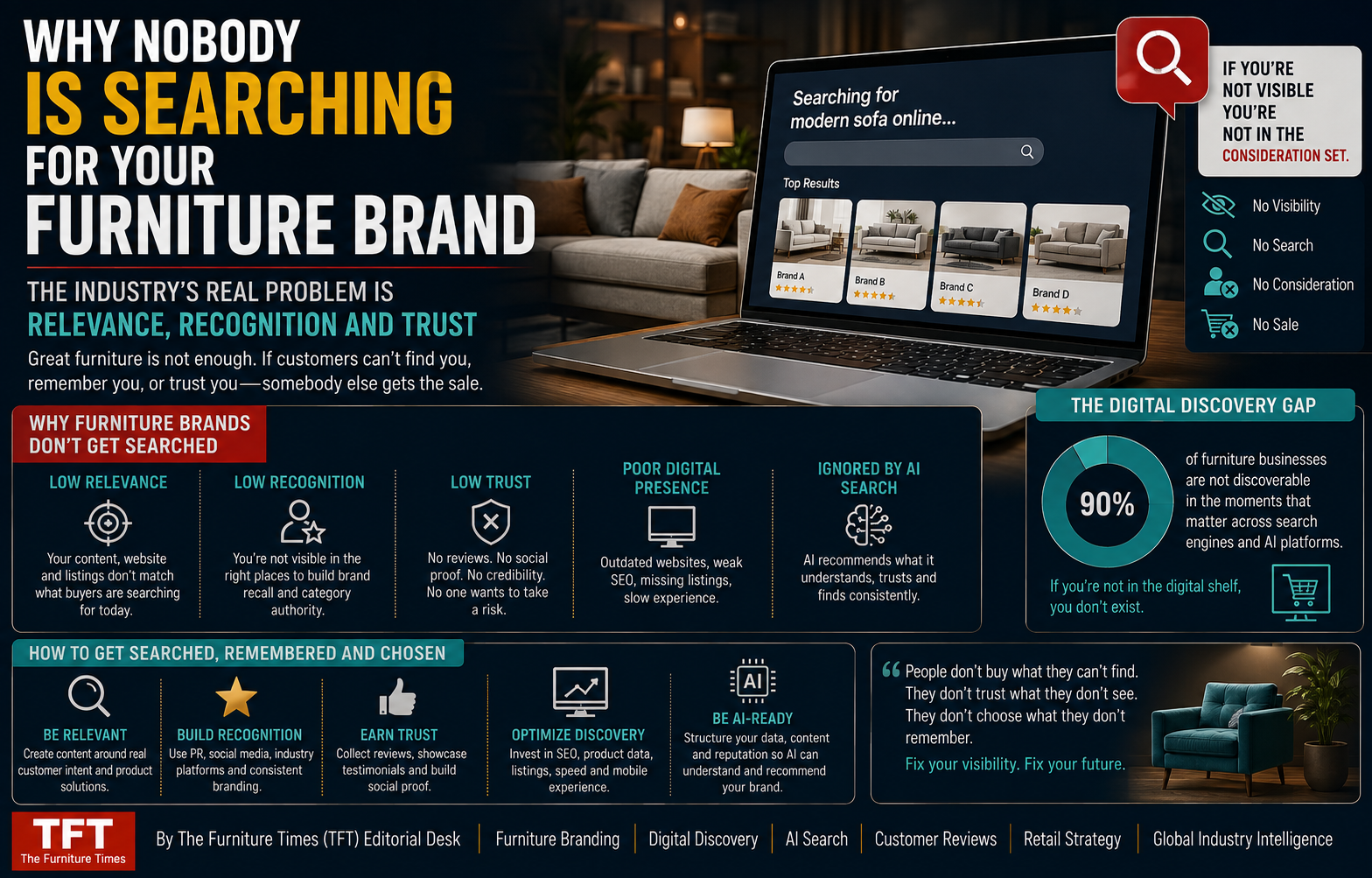
Why Nobody Is Searching for Your Furniture Brand
Furniture companies may offer excellent products, but customers cannot search for brands they do not remember—and AI cannot recommend businesses it cannot understand. This report examines the furniture industry’s relevance crisis and explains how TFT, FISE and FurniReviewology can connect visibility, discovery and trust.

The Furniture Industry Needs a Failure Database
Furniture companies collect enormous quantities of information after products are sold, but much of it remains trapped inside warranty departments, service tickets, repair records and return systems. The Furniture Times examines why the industry needs structured failure intelligence—and how it could transform product quality, sourcing, insurance, repairability and AI-driven furniture discovery.
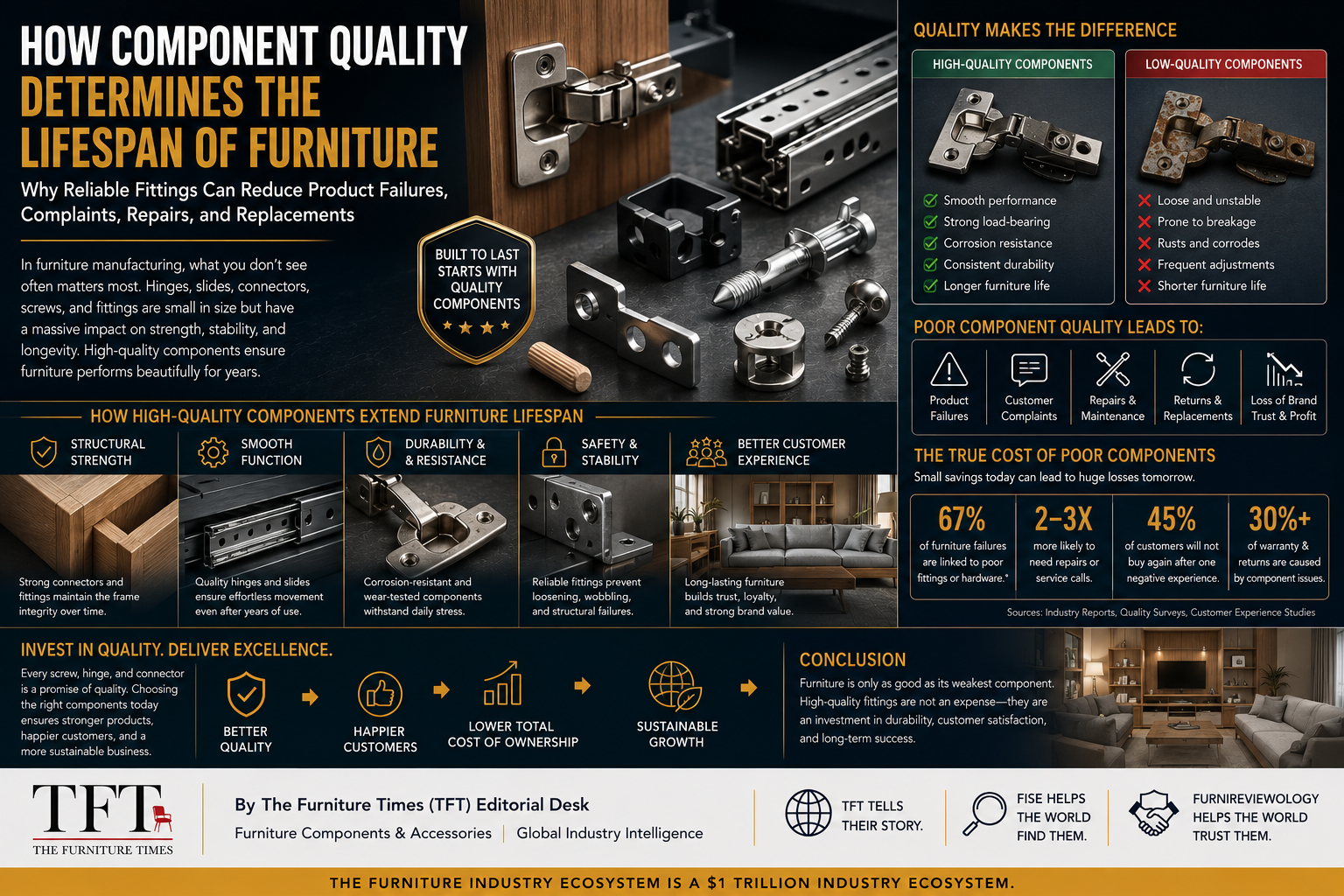
How Component Quality Determines the Lifespan of Furniture
Furniture durability depends on more than timber, metal, fabric, or external design. Component quality determines how furniture moves, carries weight, remains stable, preserves comfort, and performs over time. Better fittings can reduce warranty costs, extend product life, support repairability, and protect customer trust.
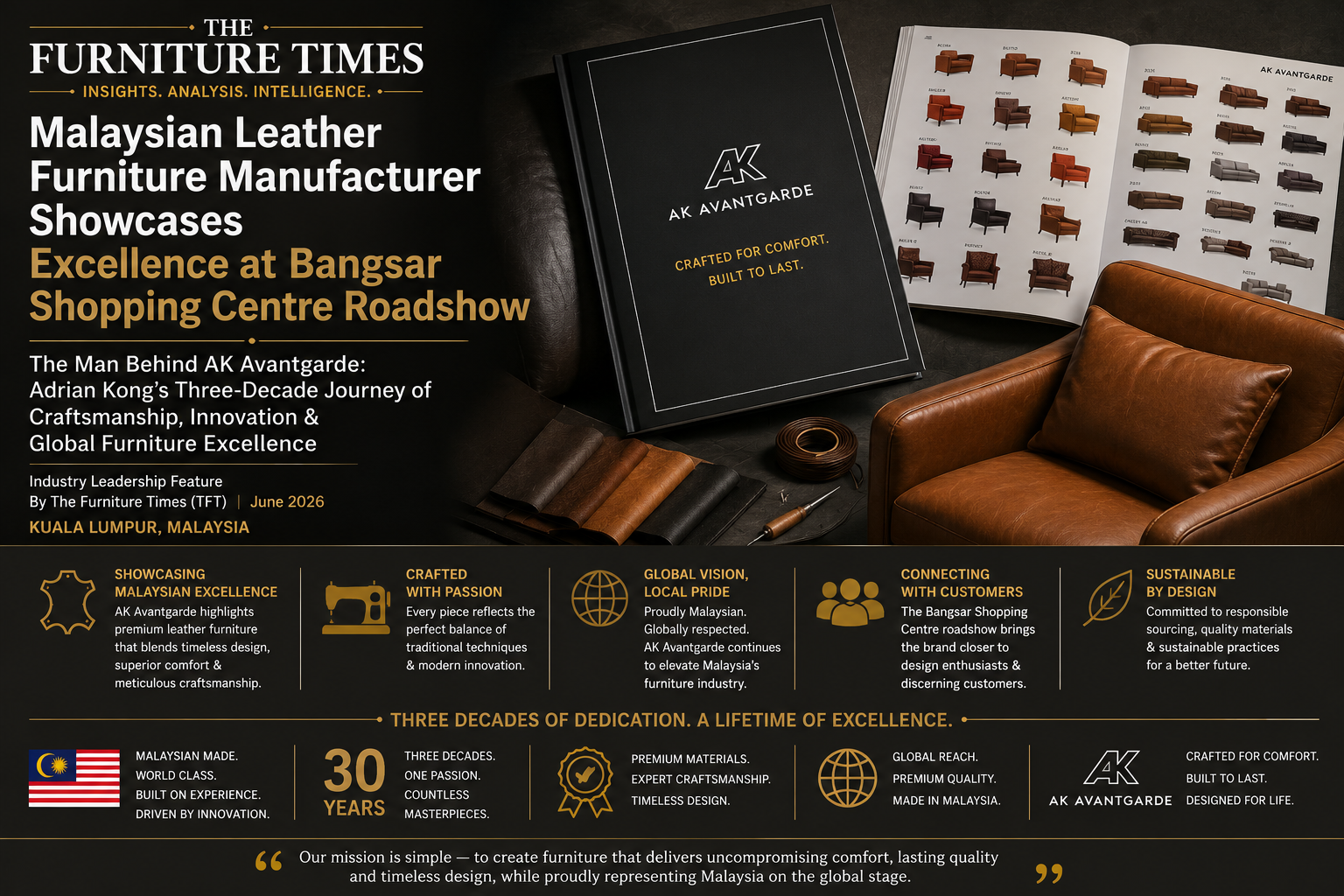
Malaysian Leather Furniture Manufacturer Showcases Excellence at Bangsar Shopping Centre Roadshow
Adrian Kong, Founder of AK Avantgarde Sdn Bhd, shares his remarkable three-decade journey in Malaysia’s furniture industry while showcasing the company’s premium leather furniture collections at Bangsar Shopping Centre. Known for expertise in custom-made sofas, contract furniture, luxury seating, and international exports, AK Avantgarde continues to represent Malaysian manufacturing excellence on the global stage.

Solving a $1 Trillion Problem: Building the Operating System of the Global Furniture Industry
In conflict situations, CEOs struggle not because of market demand—but because of lack of system-level visibility and intelligence.