
#TFT

Global Furniture Industry News Roundup
Global trade is improving, but furniture businesses still face tariffs, shipping risks, cautious consumers and rapidly expanding compliance requirements. The Furniture Times identifies the developments manufacturers, retailers, suppliers and service providers cannot ignore.

The Global Furniture Industry Is Huge — But Its Digital Reputation Infrastructure Remains Fragmented
Furniture is a vast global ecosystem, yet its digital reputation infrastructure remains fragmented. Explore how FISE, FurniReviewology and The Furniture Times can connect furniture search, company identity, customer reviews and industry intelligence while helping SMEs and MSMEs build stronger digital footprints.

Why Furniture Businesses Need More Than a Website and Social Media Page
A website and social-media page are essential, but they are only part of a furniture company’s digital presence. Discover why independent search, FurniReviewology reviews, FISE visibility, TFT industry coverage and structured company information can add important new dimensions to furniture-business discoverability.
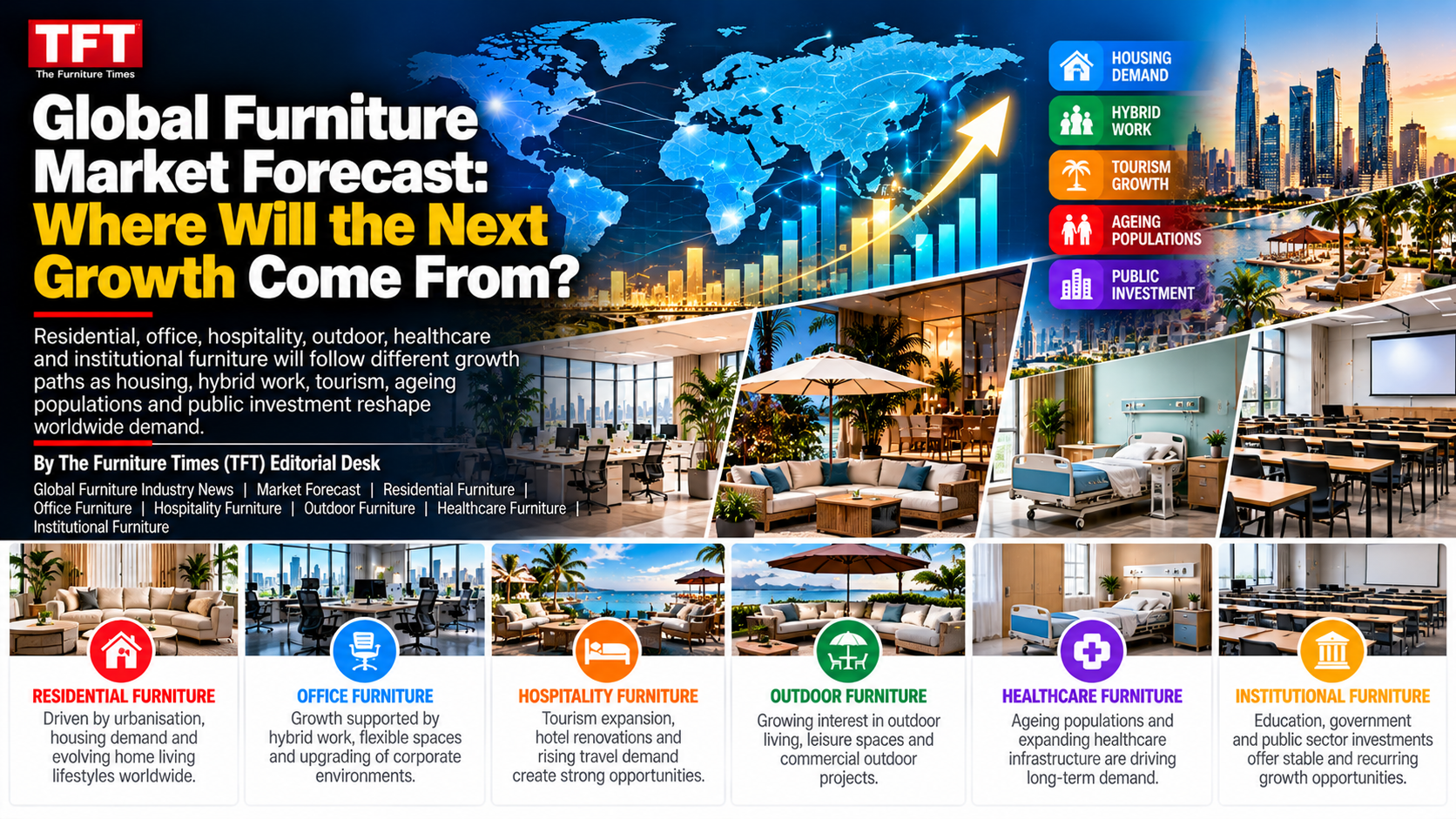
Global Furniture Market Forecast
The Furniture Times analyses where the next global furniture-market growth will come from across residential, office, hospitality, outdoor, healthcare and institutional categories.

The Future of Furniture Buying Is Search + Reviews + Industry Intelligence
Furniture buying is evolving from isolated searches into a connected information journey. Explore why furniture search, genuine reviews and industry intelligence increasingly belong together—and how FISE, FurniReviewology and TFT can support discovery, research, reputation and better-informed decisions.

Middle East Furniture Industry News: Projects, Hospitality and Regional Risk
Saudi Arabia, the UAE, Qatar, Oman, Bahrain and Kuwait continue investing in hotels, branded residences, tourism destinations and mixed-use developments. This TFT regional report examines where furniture demand is emerging—and how conflict, Strait of Hormuz disruption, Red Sea risk, delayed projects and payment pressure are reshaping the market.
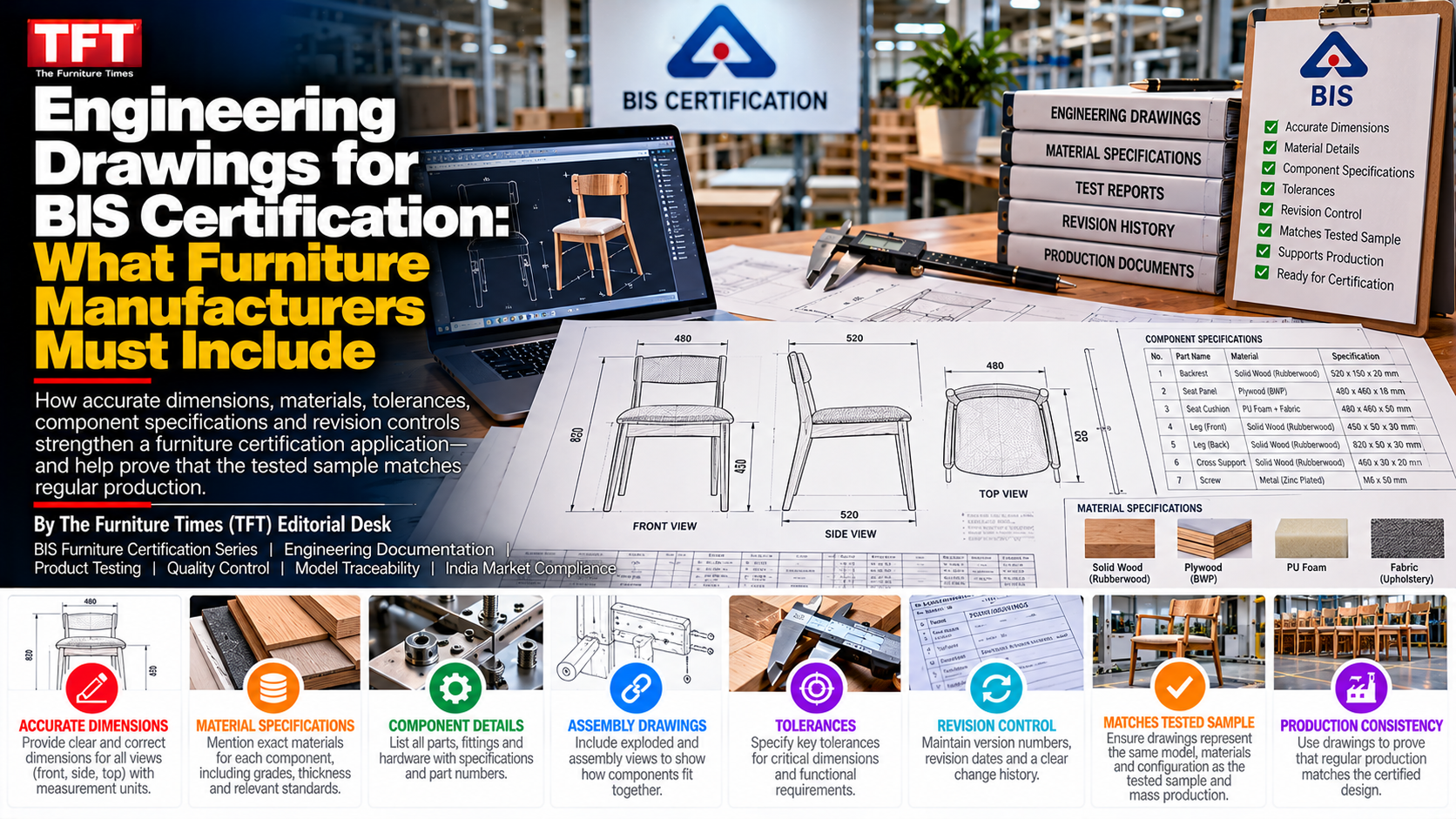
Engineering Drawings for BIS Certification
Engineering drawings are more than application attachments. This detailed guide explains how dimensions, materials, tolerances, joints, components, model comparisons and revision controls can strengthen furniture BIS certification and prevent ambiguity between declared, tested and manufactured products.

The State of the Global Furniture Industry
The Furniture Times compares global furniture markets across North America, Europe, China, India, Southeast Asia, the Gulf, Africa, Latin America and Central Asia, examining growth, production, trade and investment conditions.

Press Releases in Hard Times
When marketing budgets tighten, smaller businesses often stop communicating. This detailed TFT report explains how genuine press releases can provide an affordable, reusable foundation for credibility, branded search visibility, stakeholder confidence and AI discovery.

Global Furniture Industry Health Check: Is the Market Growing, Slowing or Restructuring?
Is the global furniture industry growing, slowing or restructuring? TFT assesses housing demand, consumer spending, factory capacity, freight rates, retail performance and business confidence.