
#MiddleEastFurniture
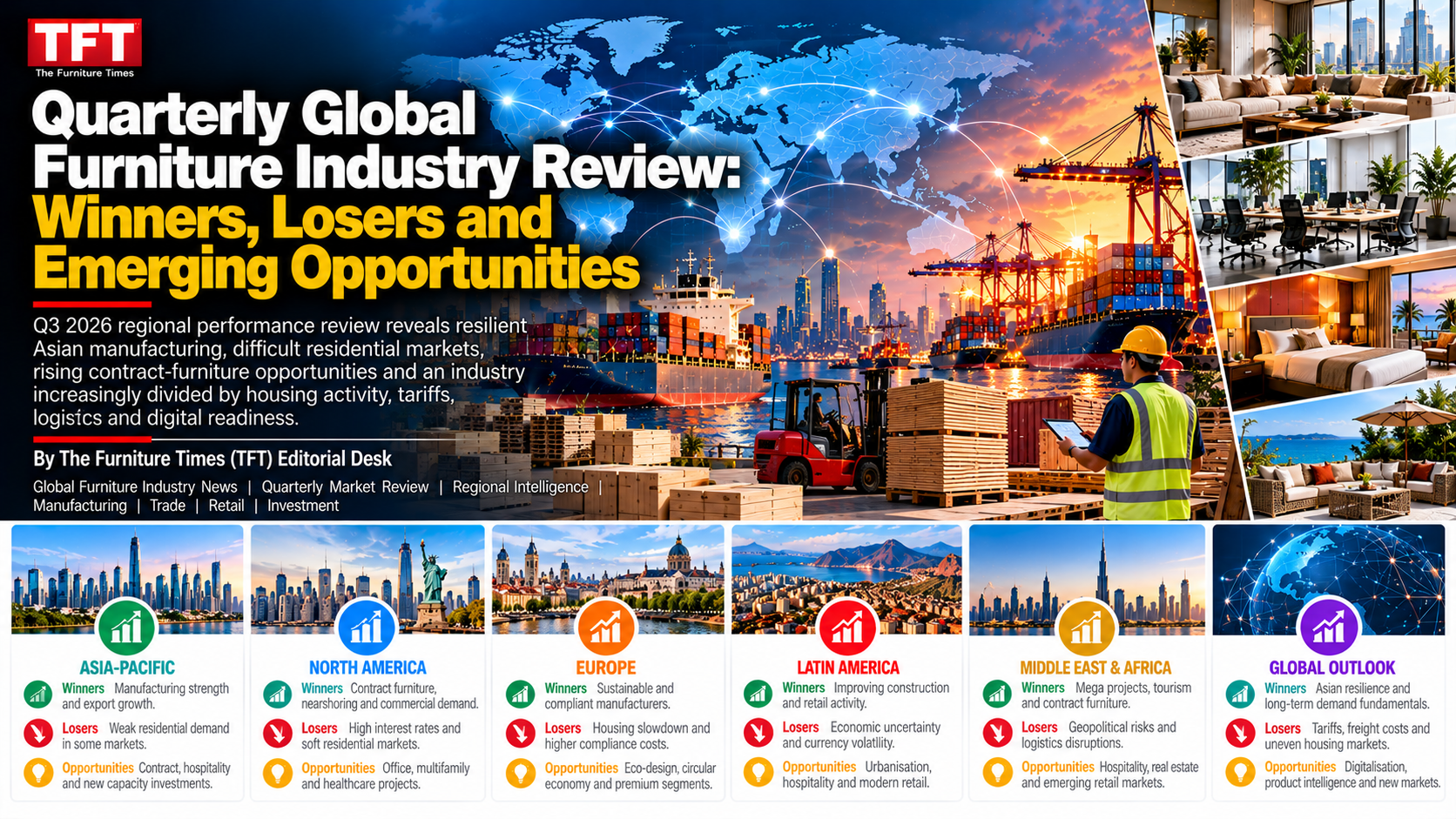
Quarterly Global Furniture Industry Review
China’s manufacturing base remains powerful, India gains momentum, Vietnam faces slower exports, Australian furniture retail feels the housing downturn, and contract, hospitality and modular furniture emerge as leading opportunities.

Middle East Furniture Industry News: Projects, Hospitality and Regional Risk
Saudi Arabia, the UAE, Qatar, Oman, Bahrain and Kuwait continue investing in hotels, branded residences, tourism destinations and mixed-use developments. This TFT regional report examines where furniture demand is emerging—and how conflict, Strait of Hormuz disruption, Red Sea risk, delayed projects and payment pressure are reshaping the market.
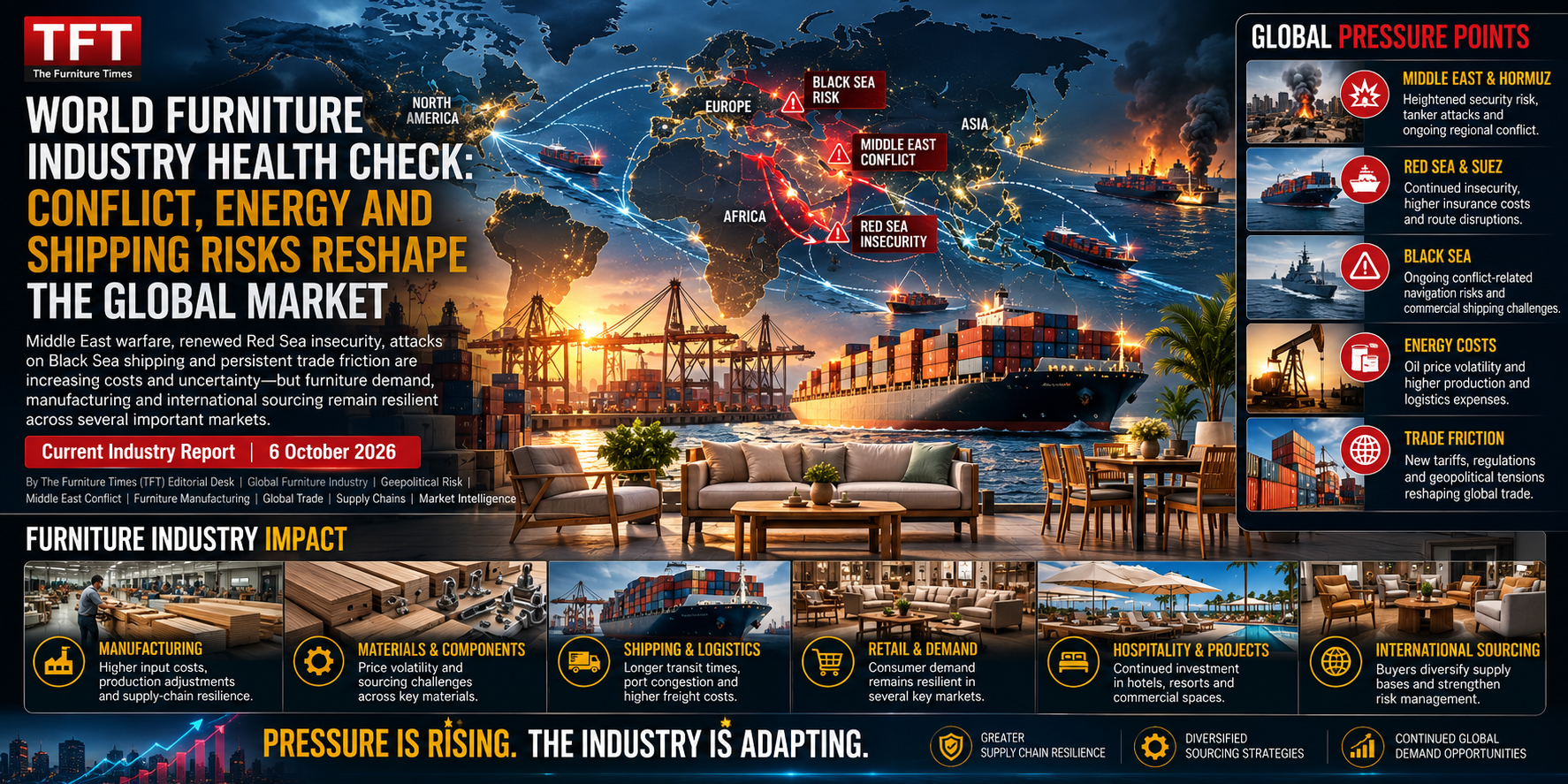
World Furniture Industry Health Check: Conflict, Energy and Shipping Risks Reshape the Global Market
TFT’s October 2026 global furniture-industry health check finds continuing demand and active manufacturing alongside severe geopolitical risk. Crude flows through the Strait of Hormuz have recovered, but tanker attacks, refinery disruption, diesel scarcity, record intra-Asian freight and renewed Red Sea and Black Sea insecurity are keeping costs high and delivery schedules uncertain.
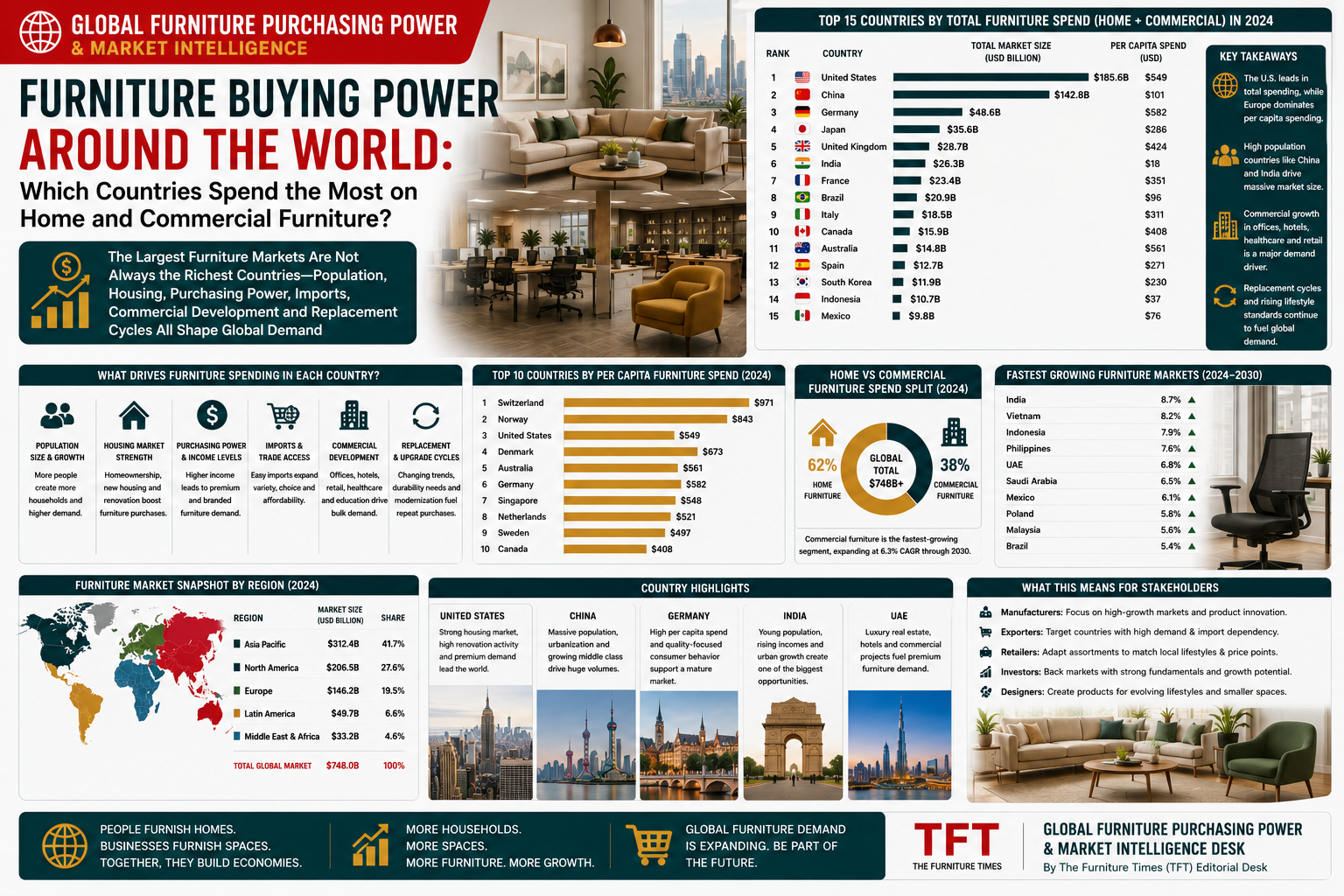
Furniture Buying Power Around the World: Which Countries Spend the Most on Home and Commercial Furniture?
The world’s biggest furniture markets are not always the countries with the highest income per person. This report examines total furniture consumption, household spending, import demand, commercial projects, property development and the emerging countries likely to reshape global furniture sales through 2035.
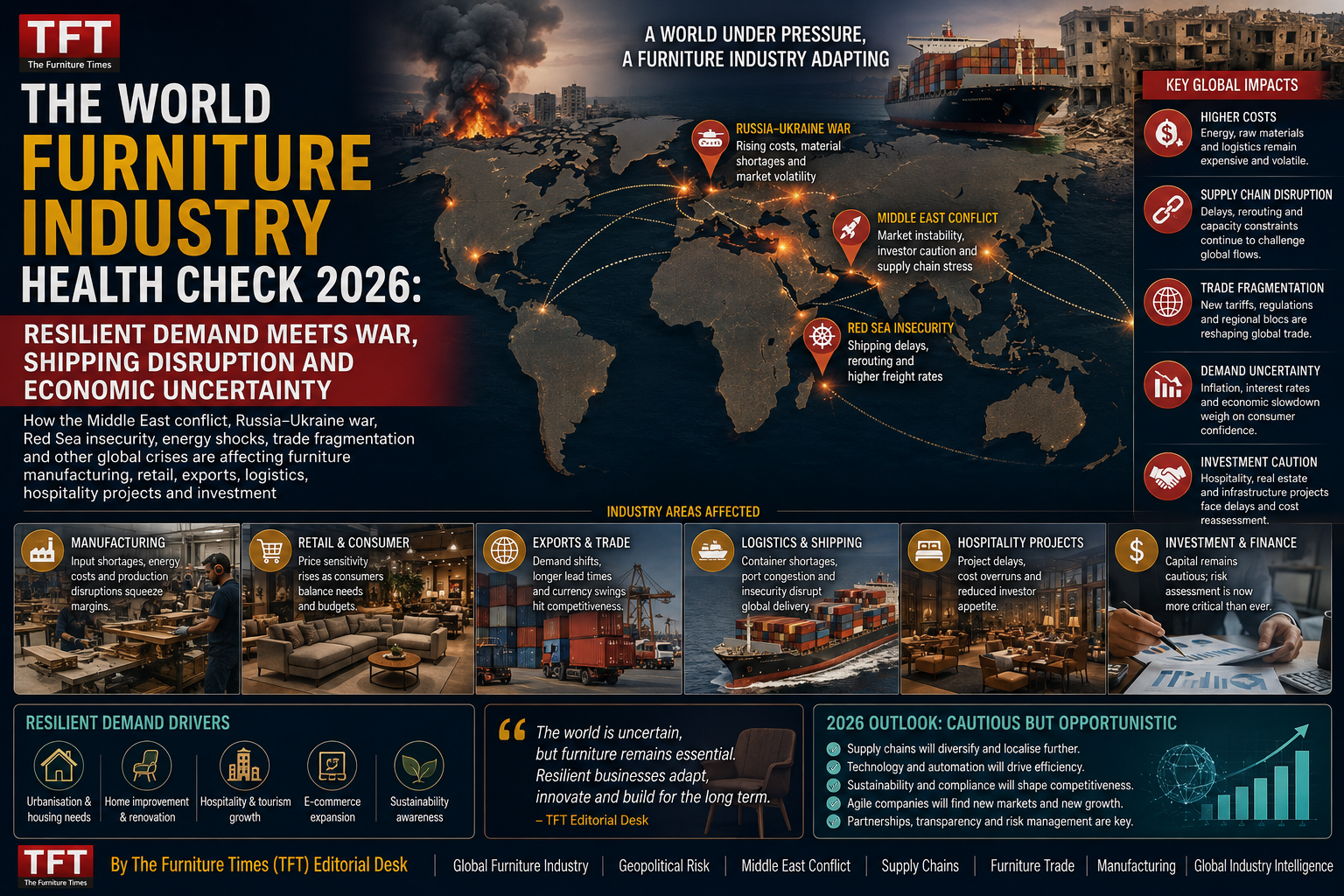
The World Furniture Industry Health Check 2026
TFT’s 2026 global furniture-industry health check finds a sector that is resilient but increasingly fragile. Demand continues across residential, hospitality, office and outdoor markets, yet war, energy inflation, shipping disruption, trade fragmentation and prolonged working-capital cycles are creating sharply different outcomes across regions and businesses.
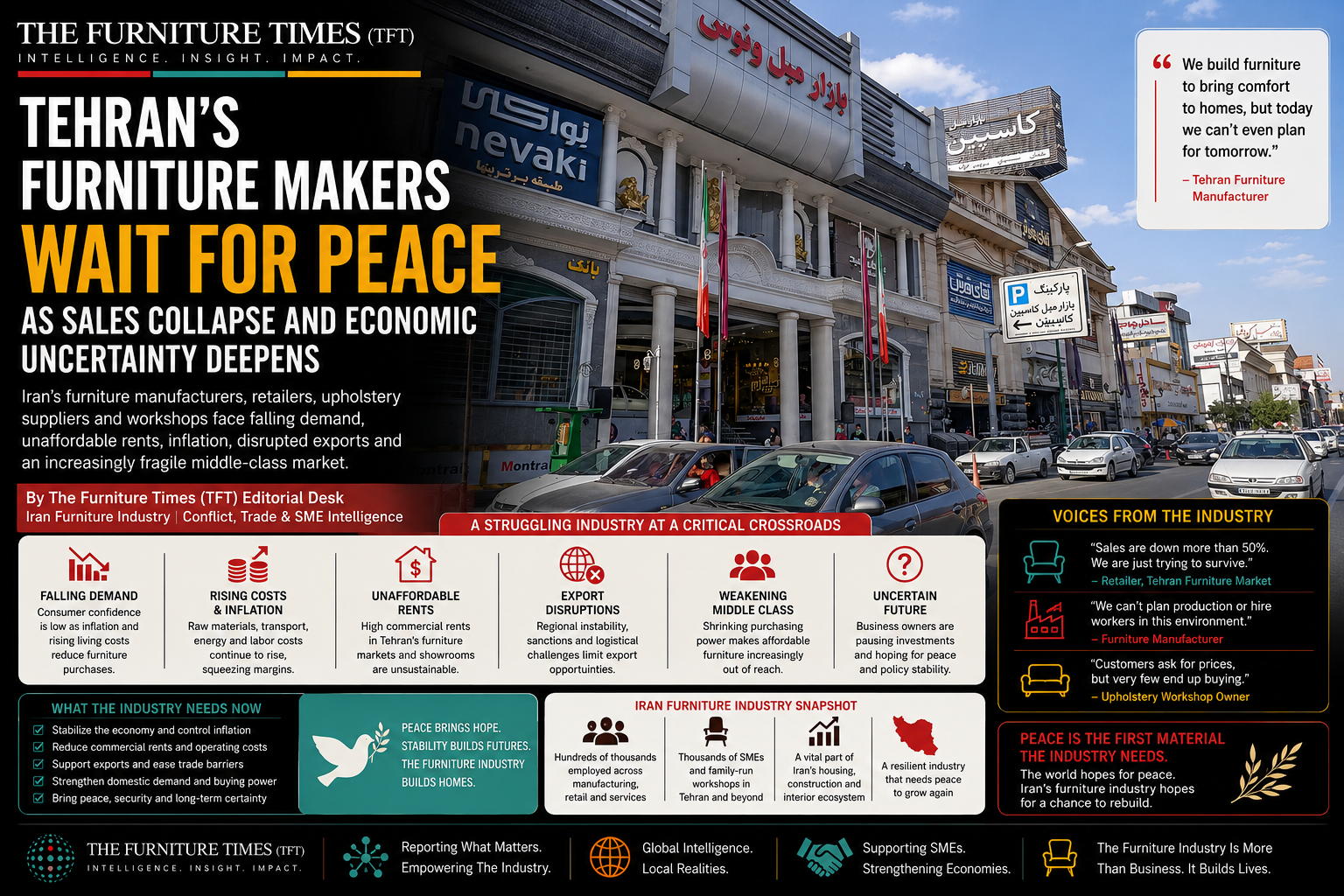
Tehran’s Furniture Makers Wait for Peace as Sales Collapse and Economic Uncertainty Deepens
Iran’s furniture businesses are waiting for peace as sales decline, showrooms empty and export routes weaken. The crisis in Tehran’s Yaftabad market reveals how conflict and inflation affect the entire furniture-industry ecosystem.
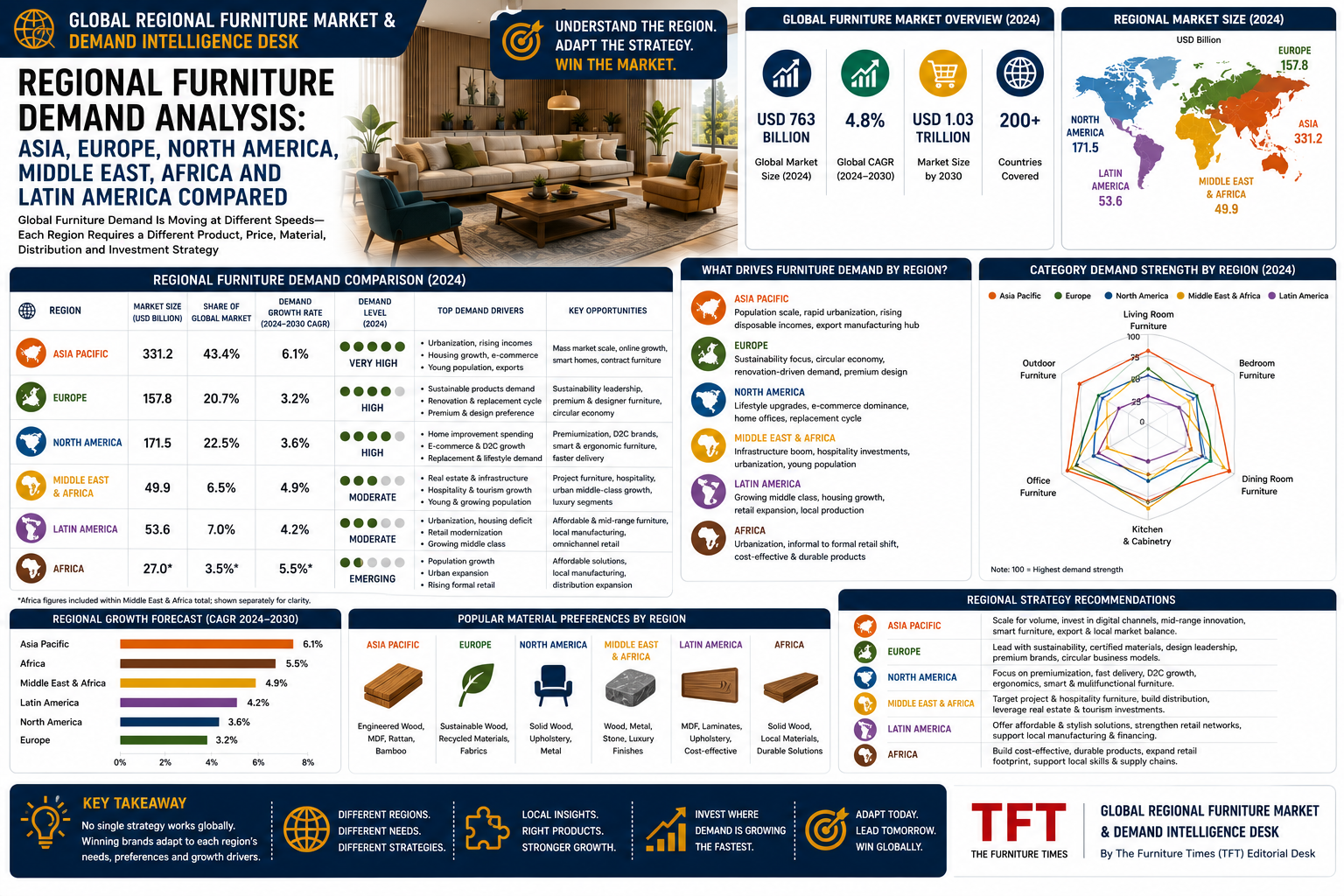
Regional Furniture Demand Analysis: Asia, Europe, North America, Middle East, Africa and Latin America Compared
Asia-Pacific leads furniture scale and manufacturing, North America leads purchasing power and imports, Europe shapes design and sustainability, the Middle East drives premium projects, Africa offers long-term household growth, and Latin America combines urban demand with regional production.
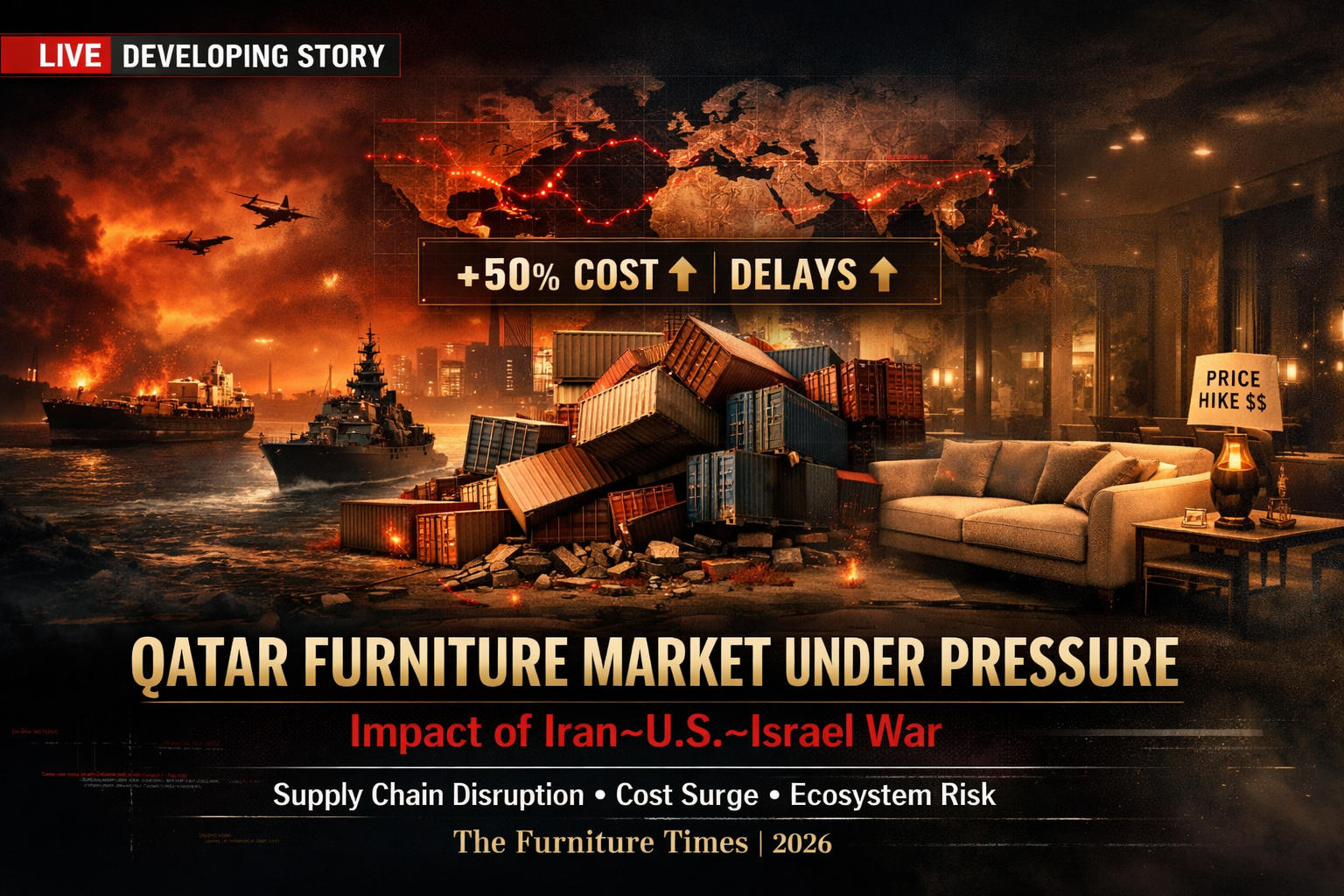
Qatar Furniture Market Impact from the Iran–U.S.–Israel War: Deep Analysis of Disruption, Losses, and Ecosystem Risk
A deep strategic analysis of how the Iran–U.S.–Israel war is affecting Qatar’s furniture market, from Strait of Hormuz disruption and freight inflation to delayed fit-out projects, weaker retail sentiment, and ecosystem-wide losses across importers, retailers, hospitality suppliers, and interior businesses.

Qatar Furniture Market Size (2026–2030): Growth, Investment Trends & Strategic Outlook
Discover the complete analysis of Qatar’s furniture market size from 2026 to 2030, including growth forecasts, key drivers, opportunities, and strategic insights for industry players looking to expand in the region.