Minimalist Lighting Designs for Modern Interiors
By The Furniture Times (TFT) | Indoor & Outdoor Lighting | Indoor Residential Lighting
How Minimalist Lighting Is Redefining Modern Interiors Through Simplicity, Functionality, Sustainability, and Intelligent Living
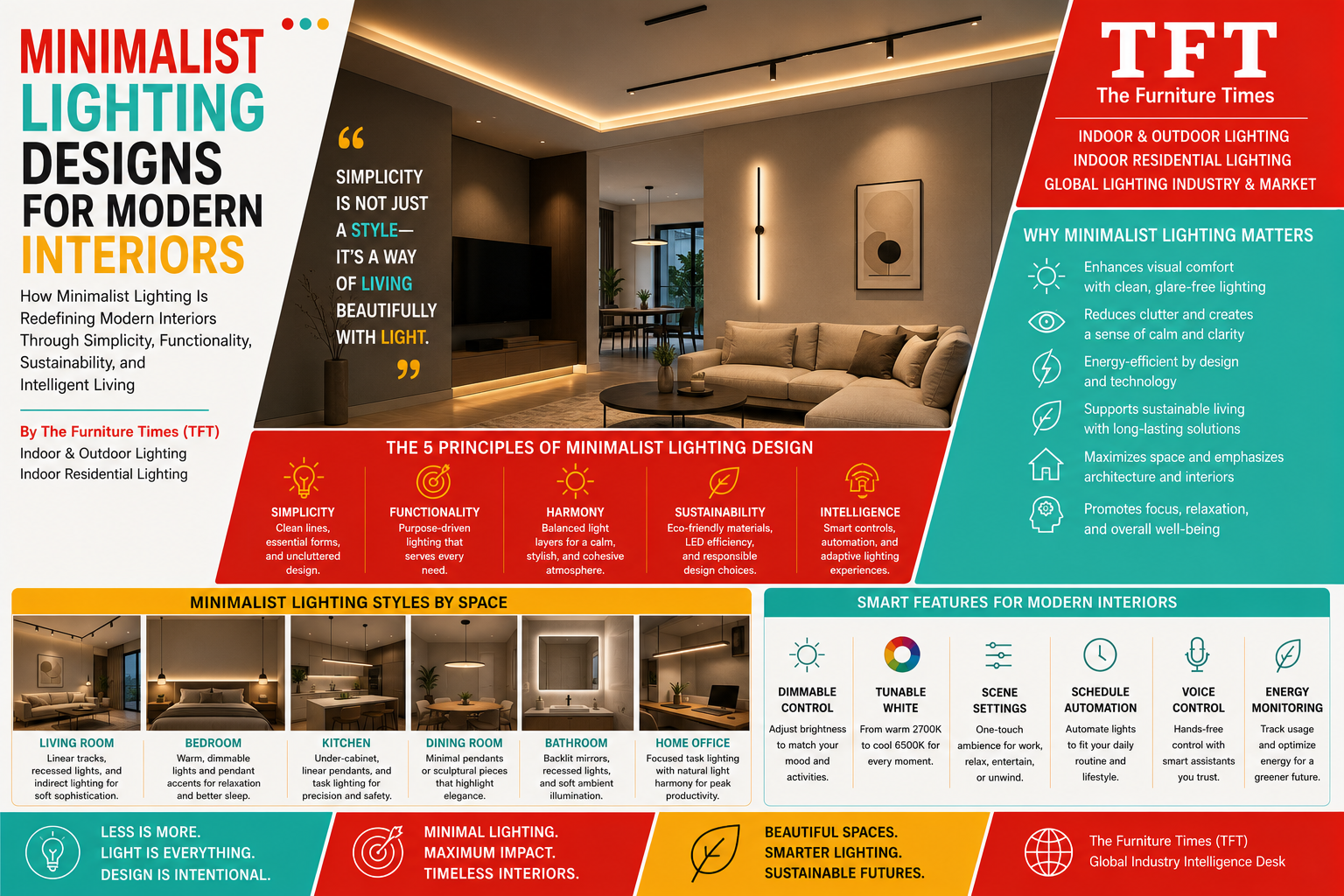
Minimalism has evolved from being a design trend into a global lifestyle movement. Across residential architecture and interior design, homeowners are increasingly embracing spaces that prioritize simplicity, functionality, balance, and intentional living over excessive decoration. Modern homes are shifting away from visual clutter and embracing environments that create calm, improve efficiency, and promote well-being.
At the heart of this transformation is lighting.
Minimalist lighting is no longer simply about reducing the number of fixtures or choosing neutral colours. It represents a philosophy of design where light itself becomes an architectural element, enhancing space without dominating it. Clean lines, hidden illumination, intelligent controls, energy-efficient technologies, and seamless integration with furniture and architecture are redefining how homes are illuminated.
From urban apartments and luxury villas to smart homes, penthouses, and sustainable residences, minimalist lighting has become a defining characteristic of contemporary interior design.
Driven by LED technology, Artificial Intelligence (AI), Internet of Things (IoT), human-centric lighting, sustainable materials, and smart home automation, minimalist lighting is creating residential environments that are elegant, adaptable, and future-ready.
For architects, interior designers, furniture manufacturers, lighting companies, property developers, technology providers, and homeowners, minimalist lighting represents one of the strongest opportunities to combine beauty, innovation, efficiency, and long-term value.
The Philosophy Behind Minimalist Lighting
Minimalism is based on the belief that every design element should have purpose.
Rather than filling spaces with decorative lighting, minimalist design focuses on:
- Functional beauty
- Simplicity
- Clean geometry
- Balance
- Visual harmony
- Architectural integration
- Quality over quantity
- Timeless aesthetics
- Natural materials
- Comfortable living
Lighting becomes an invisible design tool that enhances rather than overwhelms the interior.
Less Becomes More
Minimalist lighting proves that fewer fixtures can often produce better results.
Instead of relying on multiple decorative elements, designers strategically position lighting to:
- Enhance room proportions
- Highlight architecture
- Improve functionality
- Increase comfort
- Create visual depth
- Emphasise natural textures
- Support daily activities
- Reduce visual clutter
- Improve flexibility
- Strengthen overall design cohesion
Thoughtfully placed lighting creates sophisticated interiors while maintaining simplicity.
Architectural Lighting Takes Priority
One of the defining features of minimalist interiors is architectural lighting.
Popular applications include:
- Recessed ceiling lighting
- Hidden LED strips
- Indirect cove lighting
- Wall washing
- Staircase lighting
- Floating ceiling illumination
- Floor-integrated lighting
- Cabinet lighting
- Linear ceiling fixtures
- Concealed shelf lighting
These solutions create elegant spaces where the source of light often remains hidden.
Layered Lighting Enhances Simplicity
Minimalist design still depends on multiple lighting layers.
Ambient Lighting
Ambient lighting provides comfortable overall illumination.
Popular options include:
- Recessed LED downlights
- Flush-mounted fixtures
- Ceiling-integrated lighting
- Architectural ceiling panels
- Indirect lighting systems
Balanced ambient lighting creates open, welcoming spaces.
Task Lighting
Task lighting supports everyday activities without disrupting minimalist aesthetics.
Applications include:
- Kitchen preparation
- Home office work
- Reading
- Dining
- Bathroom grooming
- Wardrobe access
- Study spaces
- Creative work
- Dressing areas
- Hobby stations
Slim-profile desk lamps and concealed cabinet lighting maintain clean visual lines.
Accent Lighting
Accent lighting introduces subtle visual interest.
Common applications include:
- Artwork
- Shelving
- Textured walls
- Indoor plants
- Decorative niches
- Architectural columns
- Display cabinets
- Premium furniture
- Floating shelves
- Statement materials
Rather than creating dramatic contrasts, minimalist accent lighting enhances natural beauty with restraint.
LED Technology Powers Minimalist Design
LED technology has become the foundation of minimalist lighting.
Its compact form allows designers to conceal fixtures while achieving exceptional performance.
Key advantages include:
- Energy efficiency
- Long lifespan
- Flexible installation
- Low heat generation
- Excellent colour rendering
- Minimal maintenance
- Smart compatibility
- Sustainable operation
- Slim fixture profiles
- Architectural versatility
LED innovation enables lighting to disappear into the architecture while delivering outstanding illumination.
Smart Lighting Supports Simple Living
Modern minimalist homes increasingly incorporate intelligent lighting systems.
Homeowners can:
- Control lighting through smartphones.
- Use voice assistants.
- Automate daily routines.
- Adjust brightness instantly.
- Change colour temperatures.
- Create personalised scenes.
- Monitor electricity usage.
- Integrate lighting with security.
- Synchronise with entertainment systems.
- Control homes remotely.
Technology enhances simplicity by reducing manual effort.
Human-Centric Lighting Enhances Wellness
Minimalist interiors increasingly prioritise well-being alongside aesthetics.
Human-centric lighting automatically adjusts brightness and colour temperature throughout the day.
Morning lighting promotes:
- Alertness
- Productivity
- Focus
- Positive mood
- Energy
Evening lighting supports:
- Relaxation
- Emotional comfort
- Better sleep preparation
- Reduced eye fatigue
- Family well-being
Lighting becomes part of a healthier residential lifestyle.
Furniture and Lighting Become Seamlessly Integrated
Furniture manufacturers increasingly embed lighting within residential products.
Applications include:
- Wardrobes
- Kitchen cabinets
- Floating shelves
- Entertainment units
- Bathroom vanities
- Display cabinets
- Walk-in closets
- Home offices
- Bookshelves
- Bedroom headboards
Integrated lighting improves usability while maintaining clean architectural lines.
The collaboration between furniture and lighting industries continues driving minimalist innovation.
Natural Light Remains Essential
Minimalist design celebrates daylight as one of its most valuable resources.
Architects maximise natural light through:
- Large windows
- Floor-to-ceiling glazing
- Skylights
- Glass partitions
- Open floor plans
- Courtyards
- Reflective surfaces
- Light-coloured interiors
- Indoor-outdoor continuity
- Solar-responsive architecture
Artificial lighting complements rather than competes with natural illumination.
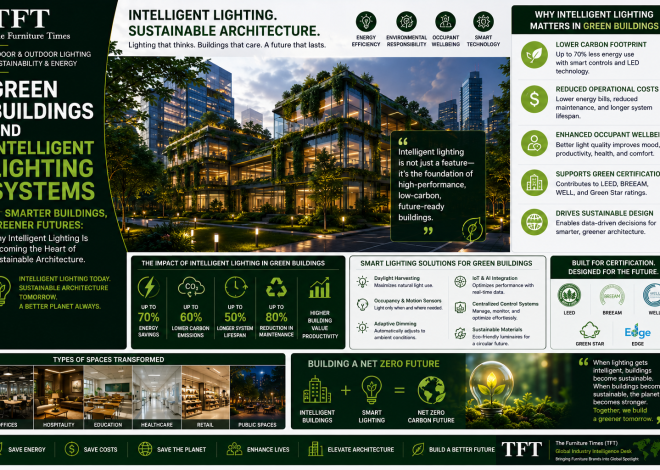
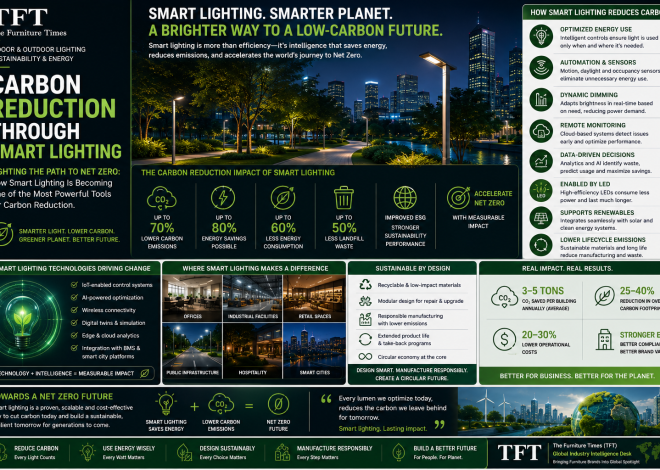
Sustainable Design Defines Modern Minimalism
Minimalism naturally aligns with environmental responsibility.
Consumers increasingly prioritise:
- Energy-efficient LEDs
- Sustainable materials
- Recyclable components
- Renewable energy integration
- Long-lasting products
- Eco-friendly manufacturing
- Smart energy management
- Green building certifications
- Reduced carbon emissions
- Responsible sourcing
Minimalist lighting demonstrates that elegant design can also support environmental sustainability.
Open-Plan Living Requires Intelligent Lighting
Many contemporary homes feature open-plan layouts.
Lighting helps define individual spaces without physical barriers.
Distinct lighting zones can identify:
- Living rooms
- Dining areas
- Kitchens
- Home offices
- Reading corners
- Entertainment spaces
- Relaxation zones
- Entryways
- Staircases
- Indoor gardens
Lighting becomes the architectural language that organises modern interiors.
Global Design Influences
Minimalist lighting reflects international design philosophies.
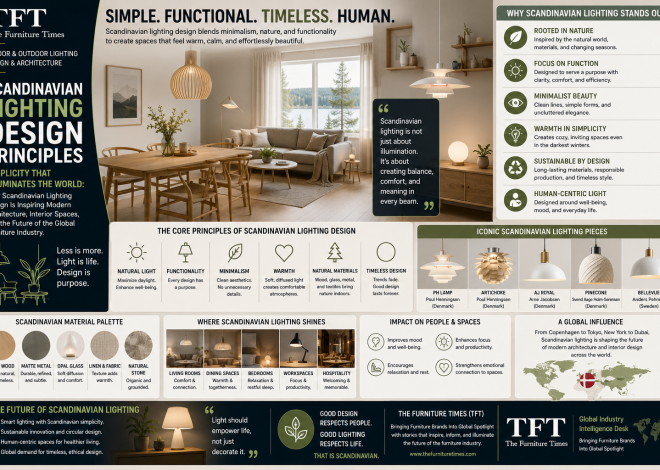
Scandinavia
Scandinavian design emphasises:
- Simplicity
- Natural materials
- Soft illumination
- Warm interiors
- Functional beauty
Japan
Japanese interiors focus on:
- Balance
- Harmony
- Natural light
- Quiet elegance
- Architectural purity
Europe
European design combines:
- Artisan craftsmanship
- Architectural lighting
- Premium materials
- Contemporary elegance
- Sustainable innovation
Asia-Pacific
Rapid urbanisation encourages:
- Space optimisation
- Smart technology
- Compact living
- Minimal decoration
- Intelligent lighting systems
These influences continue shaping residential interiors worldwide.
Artificial Intelligence Will Shape the Future
AI-powered lighting represents the next evolution of minimalist living.
Future systems may automatically:
- Learn homeowner routines.
- Detect occupancy.
- Adjust lighting according to weather.
- Optimise energy consumption.
- Personalise lighting preferences.
- Support wellness goals.
- Integrate with wearable technology.
- Synchronise with smart furniture.
- Predict maintenance needs.
- Connect with entire smart home ecosystems.
Lighting will become increasingly adaptive while remaining visually unobtrusive.
Real Estate Developers Recognise Minimalism’s Appeal
Minimalist interiors continue attracting modern homebuyers.
High-quality lighting contributes to:
- Higher property values
- Luxury positioning
- Better interior photography
- Stronger buyer confidence
- Sustainable certifications
- Smart home branding
- Greater market competitiveness
- Enhanced customer satisfaction
- Long-term investment value
- Future-ready residential developments
Lighting has become an essential differentiator in premium property design.
Opportunities Across the Industry
The growing popularity of minimalist living creates opportunities for:
- Lighting manufacturers
- Furniture companies
- Architects
- Interior designers
- Property developers
- Smart home technology providers
- Sustainable product manufacturers
- AI technology companies
- Wellness brands
- Residential consultants
Businesses capable of combining simplicity, innovation, sustainability, and intelligent technology will continue leading the market.
Challenges Facing Minimalist Lighting
Despite its growing popularity, the industry continues addressing:
- Product interoperability
- Installation complexity
- Consumer education
- Smart home compatibility
- Cybersecurity
- Software maintenance
- Cost accessibility
- Skilled labour shortages
- Sustainable sourcing
- Product standardisation
Collaboration across industries will remain essential for future growth.
Lighting the Future Through Simplicity
Minimalist lighting has become one of the defining characteristics of modern residential design.
It demonstrates that exceptional interiors are not created through excess but through thoughtful integration of light, architecture, furniture, technology, and sustainability.
From concealed LED systems and human-centric lighting to AI-powered automation, integrated furniture illumination, and environmentally responsible design, minimalist lighting is transforming homes into intelligent, peaceful, and highly functional living environments.
For homeowners, architects, furniture manufacturers, developers, interior designers, lighting companies, and technology innovators, the opportunity lies in creating spaces where every lighting element serves a purpose while enhancing everyday life.
The minimalist homes of tomorrow will not simply contain fewer objects.
They will contain smarter lighting, healthier environments, greater energy efficiency, stronger emotional comfort, and timeless architectural beauty.
As residential interiors continue evolving, one truth becomes increasingly clear: simplicity is no longer the absence of design—it is the highest expression of intelligent design, and lighting is what brings that philosophy to life.