Outdoor Wall Lighting That Enhances Architecture
By The Furniture Times (TFT) | Indoor & Outdoor Lighting | Outdoor Lighting
How Intelligent Outdoor Wall Lighting Is Transforming Architectural Design, Residential Luxury, Commercial Properties, Hospitality, Sustainability, and the Future of Exterior Spaces
Architecture does not end when the sun sets. In fact, many of the world’s most remarkable homes, hotels, commercial buildings, public landmarks, and cultural institutions reveal a completely different character after dark. Carefully designed outdoor wall lighting has become one of the most influential architectural tools, allowing buildings to communicate identity, elegance, and functionality while improving safety and extending the usability of exterior spaces.
Today, outdoor wall lighting is no longer installed solely to illuminate entrances or provide basic security. It has evolved into an essential component of architectural design that enhances façades, highlights textures, improves navigation, supports sustainability, and creates memorable visual experiences for residents, visitors, customers, and guests.
Driven by Artificial Intelligence (AI), Internet of Things (IoT), LED technology, smart building systems, wireless controls, motion sensors, programmable lighting scenes, and sustainable engineering, outdoor wall lighting is redefining the future of exterior architecture across residential, commercial, hospitality, and public developments.
For architects, lighting designers, furniture manufacturers, developers, hospitality operators, commercial property owners, urban planners, municipalities, and smart city innovators, intelligent wall lighting has become a strategic investment that combines aesthetics, technology, safety, and long-term value.
Buildings Continue Communicating After Sunset
Architecture is more than construction—it is visual storytelling.
During daylight hours, materials, forms, colours, and landscaping define a building’s appearance. At night, lighting becomes the medium that reveals these architectural qualities.
Thoughtfully designed wall lighting enhances:
- Architectural character
- Building identity
- Material textures
- Visual depth
- Brand recognition
- Property prestige
- Visitor confidence
- Luxury perception
- Safety
- Night-time aesthetics
A well-lit façade transforms a building into a landmark while strengthening its overall visual impact.
Outdoor Wall Lighting Improves First Impressions
The exterior of any property creates an immediate emotional response.
Professional wall lighting influences perceptions of:
- Elegance
- Sophistication
- Hospitality
- Modern design
- Security
- Professionalism
- Warmth
- Quality
- Attention to detail
- Property value
Whether welcoming guests to a luxury residence or attracting customers to a commercial property, lighting shapes the first experience before anyone steps inside.
Safety and Security Begin at the Building Exterior
Outdoor wall lighting plays a critical role in improving safety.
Proper illumination enhances visibility around:
- Entrances
- Exit doors
- Walkways
- Staircases
- Driveways
- Parking areas
- Courtyards
- Service entrances
- Emergency routes
- Building perimeters
Motion sensors and intelligent controls improve security while reducing unnecessary energy consumption.
A secure property is also a more welcoming property.
Every Building Requires a Different Lighting Strategy
Exterior lighting should be tailored to each architectural style and building function.
Residential Homes
Lighting should support:
- Family safety
- Elegant façades
- Outdoor entertaining
- Garden integration
- Smart home automation
- Property value
- Decorative ambience
- Energy efficiency
- Architectural beauty
- Comfortable arrival experiences
Hospitality Properties
Hotels, resorts, and boutique accommodations require lighting that enhances:
- Guest arrival
- Luxury branding
- Outdoor dining
- Courtyard experiences
- Event venues
- Architectural identity
- Night-time ambience
- Guest safety
- Photography appeal
- Premium hospitality
Commercial Buildings
Office buildings, retail centres, and mixed-use developments benefit from lighting that strengthens:
- Brand visibility
- Customer attraction
- Safe navigation
- Corporate identity
- Architectural distinction
- Accessibility
- Evening business
- Public engagement
- Energy efficiency
- Property value
Public Buildings
Government facilities, museums, libraries, educational institutions, and cultural centres require lighting that supports:
- Civic identity
- Public safety
- Accessibility
- Heritage preservation
- Community events
- Tourism
- Urban aesthetics
- Sustainability
- Security
- Long-term durability
Layered Lighting Elevates Architectural Design
Professional designers use layered lighting techniques to create balanced exterior environments.
Ambient Lighting
Ambient lighting establishes overall illumination.
Applications include:
- Building façades
- Courtyards
- Outdoor lounges
- Entry plazas
- Walkways
- Rooftop terraces
- Public gathering areas
- Residential gardens
- Hospitality landscapes
- Commercial forecourts
Balanced ambient lighting provides comfort without overwhelming the architecture.
Task Lighting
Task lighting supports functional activities.
Applications include:
- Doorways
- Staircases
- Service entrances
- Loading areas
- Outdoor kitchens
- Parking zones
- Security checkpoints
- Delivery entrances
- Reception areas
- Building maintenance access
Proper task lighting improves safety while enhancing operational efficiency.
Accent Lighting
Accent lighting highlights architectural details.
Applications include:
- Stone walls
- Brick façades
- Timber cladding
- Columns
- Decorative screens
- Sculptures
- Water features
- Outdoor artwork
- Balconies
- Architectural textures
Accent lighting creates dramatic visual depth while emphasising design craftsmanship.
LED Technology Powers Modern Exterior Design
LED lighting has become the preferred solution for outdoor wall illumination.
Its advantages include:
- Outstanding energy efficiency
- Long service life
- Excellent colour rendering
- Weather resistance
- Minimal maintenance
- Flexible fixture designs
- Smart automation compatibility
- Low heat generation
- Reduced operating costs
- Sustainable performance
LED technology allows designers to achieve elegant lighting effects with lower environmental impact.
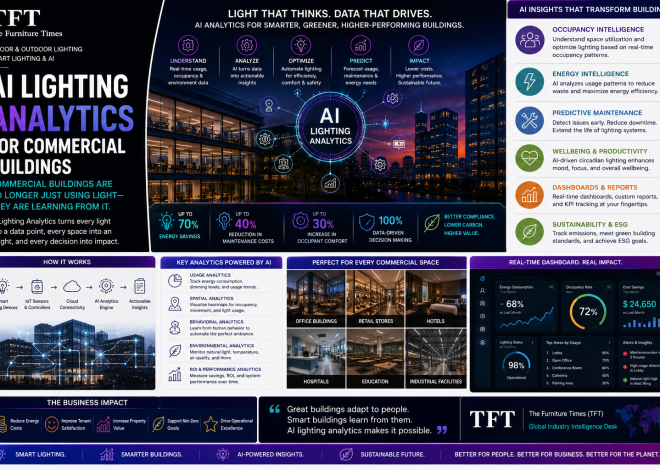
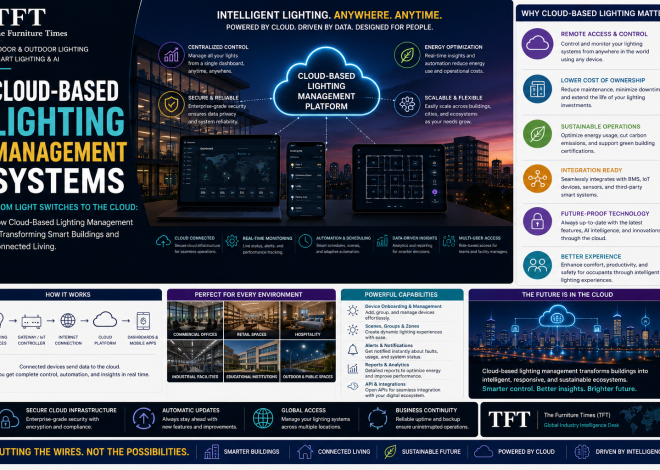
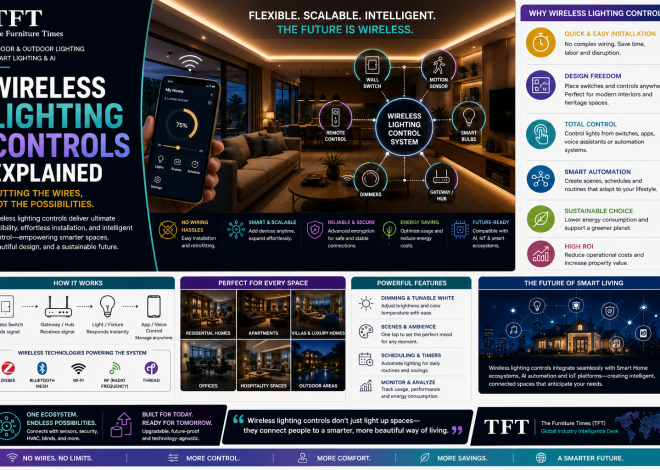
Smart Buildings Depend on Intelligent Wall Lighting
Artificial Intelligence and IoT technologies continue transforming exterior building management.
Smart wall lighting enables users to:
- Control lighting remotely.
- Schedule lighting scenes.
- Adjust brightness automatically.
- Detect movement.
- Coordinate with security systems.
- Monitor energy consumption.
- Integrate with weather sensors.
- Support predictive maintenance.
- Personalise architectural lighting.
- Improve operational efficiency.
Lighting has become an intelligent component of modern smart buildings.
Outdoor Furniture and Wall Lighting Work Together
Outdoor furniture design increasingly complements architectural lighting.
Integrated applications include:
- Patio seating
- Outdoor lounges
- Dining areas
- Reception spaces
- Courtyard furniture
- Rooftop terraces
- Hospitality seating
- Garden benches
- Fire pit areas
- Community gathering spaces
The combination of furniture and wall lighting creates cohesive outdoor environments that encourage relaxation and social interaction.
Furniture manufacturers and lighting designers continue collaborating to create seamless exterior experiences.
Sustainability Shapes Exterior Lighting Design
Environmental responsibility is influencing outdoor wall lighting worldwide.
Modern projects increasingly adopt:
- Energy-efficient LEDs
- Solar-assisted systems
- Motion sensors
- Smart timers
- Renewable energy integration
- Recyclable materials
- Responsible manufacturing
- Dark-sky compliant fixtures
- Carbon reduction strategies
- Green building certifications
Sustainable lighting supports both environmental goals and long-term operational savings.
Artificial Intelligence Will Shape Future Architectural Lighting
Future wall lighting systems may automatically:
- Learn occupant preferences.
- Adapt to seasonal daylight.
- Respond to weather conditions.
- Coordinate with landscape lighting.
- Enhance security responses.
- Optimise energy consumption.
- Predict maintenance needs.
- Integrate with smart city infrastructure.
- Synchronise with public events.
- Operate within complete building automation ecosystems.
Artificial Intelligence will transform architectural lighting into a responsive and intelligent design platform.
Opportunities Across Multiple Industries
Growing investment in premium architecture creates opportunities for:
- Architects
- Lighting manufacturers
- Furniture companies
- Property developers
- Hospitality operators
- Commercial builders
- Urban planners
- Smart technology providers
- Sustainability consultants
- Municipal authorities
Businesses that combine architectural excellence, intelligent technology, sustainability, and user experience will lead the next generation of exterior design.
Challenges Facing Outdoor Wall Lighting
Despite remarkable innovation, professionals continue addressing:
- Climate resilience
- Installation complexity
- Rising material costs
- Smart system interoperability
- Light pollution
- Heritage preservation
- Product standardisation
- Skilled workforce shortages
- Maintenance planning
- Sustainability compliance
Addressing these challenges will support more resilient and environmentally responsible buildings.
Lighting the Future of Architecture
Outdoor wall lighting has become one of the most powerful architectural tools in modern design.
It enhances safety, strengthens building identity, improves property value, supports sustainability, extends the usability of exterior spaces, and transforms ordinary façades into extraordinary visual experiences.
From AI-powered automation and intelligent LED systems to integrated outdoor furniture, adaptive controls, smart building platforms, and sustainable engineering, lighting continues redefining how architecture is experienced after dark.
For architects, developers, furniture manufacturers, lighting companies, hospitality operators, technology innovators, urban planners, and property owners, the opportunity lies in designing buildings where every lighting decision contributes to beauty, functionality, sustainability, and lasting value.
The architecture of tomorrow will not disappear when daylight ends.
It will continue to inspire through intelligent illumination, where design, technology, furniture, sustainability, and lighting work together to create safer, more beautiful, and more memorable built environments.
As cities continue expanding and architectural expectations evolve, one reality becomes increasingly clear: the future of exceptional architecture will not be defined solely by what is built, but by how it is illuminated.