Kitchen Lighting Designs That Enhance Functionality
By The Furniture Times (TFT) | Indoor & Outdoor Lighting | Indoor Residential Lighting
How Intelligent Kitchen Lighting Is Transforming Modern Homes Through Better Functionality, Safety, Efficiency, and Contemporary Design
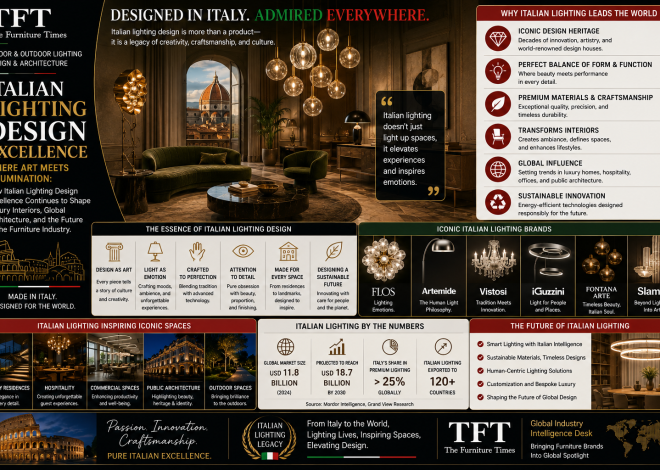
The kitchen has become one of the most dynamic spaces in today’s home. Once regarded primarily as a place for cooking, it has evolved into the heart of family life, a social gathering area, a workspace, an entertainment zone, and a showcase of modern interior design. Open-concept living, changing lifestyles, and smart home technologies have fundamentally changed how kitchens are designed, built, and experienced.
At the center of this transformation is lighting.
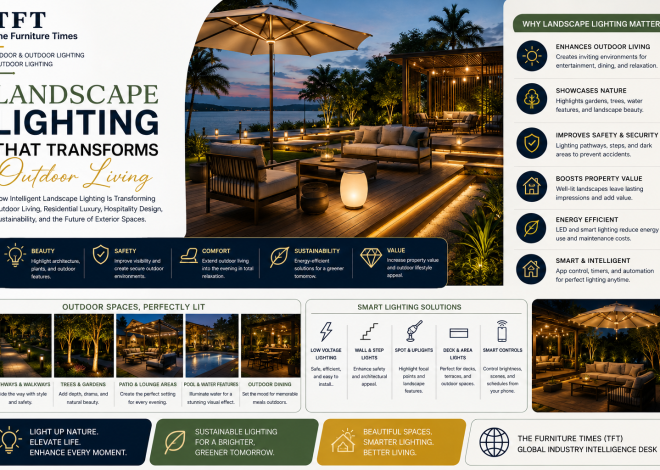
Kitchen lighting is no longer limited to a single ceiling fixture that simply illuminates the room. Instead, it has become an intelligent design element that improves safety, functionality, workflow, aesthetics, energy efficiency, and overall living experience. From task lighting above countertops to smart under-cabinet systems, pendant fixtures over kitchen islands, and AI-powered lighting automation, today’s kitchens depend on carefully planned lighting strategies that support every aspect of modern living.
For homeowners, architects, interior designers, furniture manufacturers, kitchen cabinet producers, lighting companies, appliance brands, real estate developers, and smart home technology providers, innovative kitchen lighting has become an essential investment that enhances both residential value and daily quality of life.
The Modern Kitchen Is the New Living Space
Over the past decade, kitchens have become increasingly multifunctional.
Today’s kitchens often serve as:
- Family gathering spaces
- Dining areas
- Home offices
- Children’s homework stations
- Entertainment venues
- Social meeting points
- Video conferencing spaces
- Coffee corners
- Creative cooking environments
- Lifestyle showcases
This transformation requires lighting systems capable of adapting to changing activities throughout the day.
Modern lighting design focuses on creating flexible environments that combine beauty with practical performance.
Functionality Begins with Proper Lighting Design
A successful kitchen lighting plan balances aesthetics with usability.
Lighting should support every stage of kitchen activity, including:
- Food preparation
- Cooking
- Cleaning
- Dining
- Reading recipes
- Appliance operation
- Storage access
- Social interaction
- Decorative presentation
- Safety
Poor lighting can create shadows, reduce visibility, increase accidents, and diminish the overall user experience.
Well-designed lighting, however, enhances efficiency while creating a welcoming atmosphere.
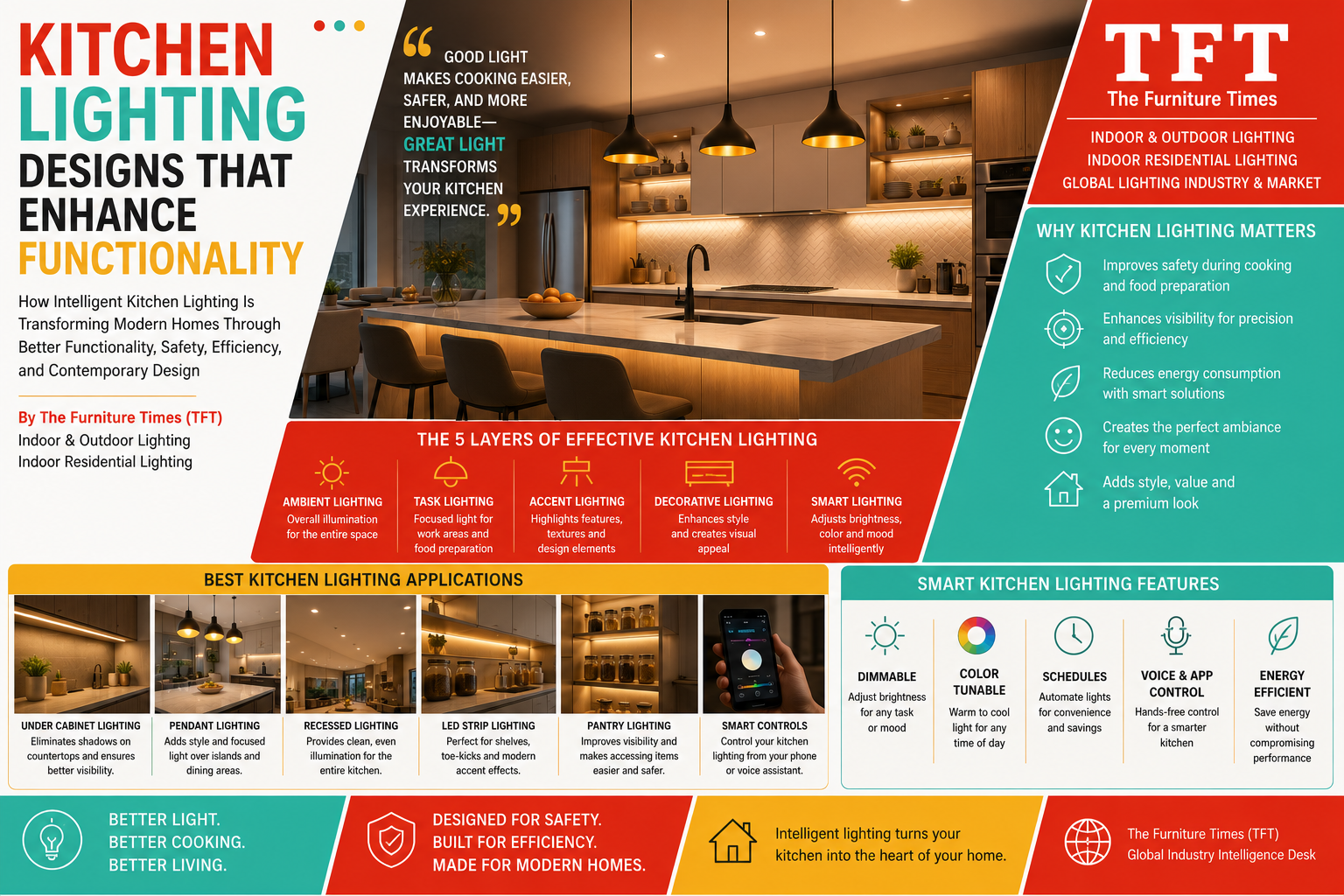
Layered Lighting Creates Better Kitchens
Professional designers recommend layered lighting because it provides flexibility and visual comfort.
A modern kitchen typically combines several lighting categories.
Ambient Lighting
Ambient lighting provides the overall illumination for the space.
Popular solutions include:
- Recessed ceiling lights
- Flush-mounted LED fixtures
- Surface-mounted luminaires
- Linear ceiling lighting
- Indirect architectural lighting
Uniform ambient lighting creates a bright, comfortable environment while minimizing harsh shadows.
Task Lighting
Task lighting is one of the most important components of kitchen design.
It provides focused illumination for work surfaces where precision is essential.
Applications include:
- Countertops
- Kitchen islands
- Sinks
- Preparation areas
- Cooking stations
- Pantry shelves
- Breakfast bars
- Appliance zones
- Coffee stations
- Worktables
Under-cabinet LED lighting has become one of the most popular solutions because it directs light exactly where it is needed.
Accent Lighting
Accent lighting enhances the kitchen’s architectural character.
Common applications include:
- Glass cabinets
- Decorative shelving
- Display units
- Feature walls
- Open storage
- Wine displays
- Artwork
- Ceiling details
- Niches
- Floating shelves
Accent lighting adds depth while highlighting design elements.
Kitchen Islands Demand Intelligent Lighting
Kitchen islands have become central gathering spaces within contemporary homes.
They often serve multiple purposes including:
- Food preparation
- Dining
- Entertaining
- Remote work
- Casual meetings
- Family conversations
Pendant lighting remains one of the most popular choices above islands.
Modern pendant designs combine:
- Adjustable brightness
- LED efficiency
- Sculptural aesthetics
- Smart controls
- Minimalist forms
- Premium finishes
- Excellent color rendering
- Energy efficiency
- Architectural elegance
- Flexible installation
Proper island lighting improves both functionality and visual appeal.
Under-Cabinet Lighting Continues to Grow
Among all residential lighting innovations, under-cabinet lighting remains one of the most practical.
Its benefits include:
- Shadow-free work surfaces
- Improved food preparation
- Better visibility
- Enhanced safety
- Contemporary appearance
- Energy efficiency
- Cleaner aesthetics
- Smart control compatibility
- Flexible installation
- Decorative appeal
LED strip technology has made under-cabinet lighting more affordable and visually appealing than ever before.
Smart Kitchens Require Smart Lighting
Artificial Intelligence and smart home technologies continue transforming residential kitchens.
Modern smart lighting systems enable homeowners to:
- Control lighting through smartphones.
- Use voice assistants.
- Automate schedules.
- Create cooking scenes.
- Adjust brightness.
- Change color temperatures.
- Monitor energy usage.
- Synchronize lighting with appliances.
- Improve security.
- Support remote management.
As connected homes become increasingly common, intelligent kitchen lighting plays a central role in digital living.
Furniture and Lighting Are Becoming One
Kitchen cabinet manufacturers increasingly integrate lighting directly into furniture.
Popular applications include:
- Drawer lighting
- Pantry lighting
- Glass cabinet illumination
- Interior shelving
- Corner storage
- Tall cabinets
- Floating shelves
- Soft-close storage systems
- Island cabinetry
- Appliance garages
Integrated lighting improves usability while enhancing the overall appearance of kitchen furniture.
This collaboration between furniture manufacturers and lighting companies continues driving innovation.
LED Technology Leads Residential Kitchens
LED lighting remains the preferred technology for kitchen applications.
Advantages include:
- High energy efficiency
- Long operational lifespan
- Low maintenance
- Excellent brightness
- Compact design
- Flexible installation
- Minimal heat generation
- Superior color rendering
- Dimming capability
- Sustainability
Modern LED technology allows homeowners to create sophisticated lighting environments while reducing electricity consumption.
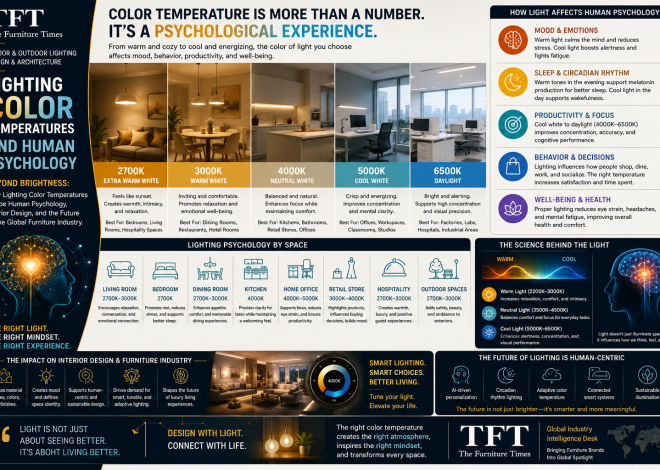
Human-Centric Lighting Improves Daily Living
Human-centric lighting has begun influencing kitchen design.
Lighting can now adjust automatically throughout the day.
Morning lighting encourages alertness and productivity.
Afternoon lighting supports active food preparation and family interaction.
Evening lighting transitions to warmer tones that create comfortable dining experiences and relaxed family gatherings.
This adaptive approach enhances both emotional well-being and residential comfort.
Sustainability Influences Consumer Choices
Consumers increasingly prioritize environmentally responsible lighting products.
Desired features include:
- Energy-efficient LEDs
- Recyclable materials
- Renewable energy compatibility
- Long service life
- Eco-friendly packaging
- Smart energy controls
- Reduced maintenance
- Low carbon footprint
- Green certifications
- Sustainable manufacturing
Sustainability has become a major purchasing factor within residential lighting markets.
Minimalist Kitchen Lighting Continues Growing
Modern kitchens increasingly emphasize clean, uncluttered design.
Popular minimalist lighting solutions include:
- Linear pendants
- Hidden LED strips
- Recessed spotlights
- Flush-mounted fixtures
- Slim architectural luminaires
- Matte finishes
- Neutral colors
- Integrated lighting systems
- Frameless fixtures
- Geometric forms
Lighting becomes seamlessly integrated into the kitchen architecture.
Luxury Kitchens Focus on Experience
High-end residential kitchens increasingly prioritize lighting as part of the overall lifestyle experience.
Luxury kitchens commonly include:
- Designer pendants
- Intelligent lighting scenes
- Illuminated display cabinets
- Wine cellar lighting
- Ambient ceiling illumination
- Architectural coves
- Premium material integration
- Smart controls
- Hidden lighting systems
- Hospitality-inspired atmospheres
Lighting has become a defining feature of premium kitchen environments.
Real Estate Developers Recognize Lighting’s Value
Modern property developers understand that exceptional kitchen lighting contributes significantly to residential appeal.
Benefits include:
- Higher property values
- Better marketing photography
- Increased buyer interest
- Smart home positioning
- Premium interior design
- Enhanced functionality
- Improved energy ratings
- Greater market competitiveness
- Luxury branding
- Long-term investment value
Kitchen lighting has become an important selling feature for contemporary homes.
Future Kitchens Will Become More Intelligent
Artificial Intelligence will continue transforming residential kitchens.
Future lighting systems may automatically:
- Learn family routines.
- Detect occupancy.
- Adjust lighting according to cooking activities.
- Optimize electricity usage.
- Synchronize with appliances.
- Improve food preparation visibility.
- Support elderly users.
- Enhance child safety.
- Integrate with wearable devices.
- Personalize lighting preferences.
Lighting will increasingly anticipate homeowner needs instead of requiring manual operation.
Opportunities Across the Industry
Growing demand for intelligent residential kitchens creates opportunities for:
- Lighting manufacturers
- Kitchen cabinet companies
- Furniture manufacturers
- Smart home developers
- Interior designers
- Architects
- Appliance manufacturers
- Building developers
- Home automation companies
- Sustainable technology providers
Organizations capable of combining design, technology, functionality, and energy efficiency will continue leading market growth.
Challenges for the Industry
Despite rapid innovation, several challenges remain.
Manufacturers continue addressing:
- Smart home compatibility
- Product interoperability
- Installation complexity
- Consumer education
- Cybersecurity
- Software support
- Cost accessibility
- Product standardization
- Recycling
- Skilled workforce shortages
Addressing these issues will accelerate the adoption of advanced residential lighting systems.
Lighting the Kitchens of Tomorrow
The kitchen has become much more than a functional workspace—it is now the center of modern family life, entertainment, creativity, and connection.
Lighting is the invisible architecture that makes these activities possible.
From layered lighting and under-cabinet illumination to smart automation, integrated furniture, AI-powered controls, and sustainable LED technologies, modern kitchen lighting is transforming residential living in remarkable ways.
For homeowners, architects, interior designers, furniture manufacturers, kitchen specialists, developers, and lighting companies, the future lies in creating intelligent environments that combine beauty, safety, flexibility, and efficiency.
The kitchens of tomorrow will not simply be brighter.
They will be smarter, healthier, more sustainable, and more responsive to the people who use them every day.
As technology and design continue to evolve together, one truth becomes increasingly clear: exceptional kitchens are no longer defined only by premium cabinetry, appliances, or finishes—they are defined by lighting that enhances every task, every meal, every conversation, and every moment shared at the heart of the home.