Modern Living Room Lighting Trends for Contemporary Homes
By The Furniture Times (TFT) | Indoor & Outdoor Lighting | Indoor Residential Lighting
The Modern Living Room Has Become More Than a Space—Lighting Is Defining How We Live, Relax, Work, and Connect
The living room has always been the heart of the home. It is where families gather, guests are welcomed, conversations begin, celebrations take place, and everyday moments become lasting memories. However, in today’s rapidly evolving residential landscape, the living room has taken on even greater importance. It has become a multifunctional environment that serves as a workspace, entertainment center, reading corner, relaxation lounge, gaming area, and social hub—all within the same space.
As lifestyles continue to evolve, lighting has emerged as one of the most influential design elements in shaping the atmosphere, functionality, and value of modern living rooms. No longer viewed simply as a ceiling fixture that provides illumination, lighting has become an integral part of interior architecture, furniture design, smart home technology, energy efficiency, and human well-being.
Driven by LED innovation, Artificial Intelligence (AI), Internet of Things (IoT) connectivity, sustainable materials, and personalized home experiences, modern living room lighting is transforming contemporary homes around the world.
For homeowners, architects, interior designers, furniture manufacturers, lighting companies, real estate developers, and smart home technology providers, understanding these emerging trends is essential for creating future-ready residential environments.
Living Rooms Have Become Multi-Purpose Spaces
Today’s living room performs many functions throughout the day.
It may begin as a quiet reading area in the morning, become a home office during working hours, transform into a family gathering space in the evening, and later serve as an entertainment zone for movies or social events.
This multifunctional lifestyle requires lighting systems that can easily adapt to changing activities.
Modern living rooms increasingly utilize layered lighting strategies that combine:
- Ambient lighting
- Task lighting
- Accent lighting
- Decorative lighting
- Architectural lighting
- Smart lighting controls
- Natural daylight integration
- Furniture lighting
- Adjustable color temperatures
- Automated lighting scenes
Rather than relying on a single central fixture, homeowners now create flexible lighting ecosystems that support different moods and activities throughout the day.
Layered Lighting Is Becoming the Gold Standard
Professional interior designers increasingly recommend layered lighting because it creates depth, flexibility, and visual balance.
A successful living room typically combines multiple lighting sources.
Ambient Lighting
Ambient lighting provides overall illumination and establishes the room’s general brightness.
Common solutions include:
- Recessed ceiling lights
- Flush-mounted fixtures
- LED ceiling panels
- Indirect cove lighting
- Smart ceiling luminaires
Task Lighting
Task lighting supports specific activities such as reading, working, hobbies, or studying.
Popular options include:
- Floor lamps
- Adjustable reading lamps
- Table lamps
- Swing-arm wall lights
- Integrated furniture lighting
Accent Lighting
Accent lighting highlights architectural features and decorative elements.
Applications include:
- Artwork illumination
- Feature walls
- Display shelves
- Decorative niches
- Indoor plants
- Sculptures
- Fireplace surrounds
- Entertainment units
Layering these lighting categories creates spaces that feel sophisticated, comfortable, and highly functional.
LED Technology Continues to Dominate
LED lighting has become the preferred solution for modern residential interiors.
Its popularity stems from several advantages:
- High energy efficiency
- Long operational lifespan
- Minimal heat generation
- Flexible installation
- Compact fixture design
- Excellent color rendering
- Lower maintenance
- Dimming compatibility
- Smart home integration
- Sustainable performance
LED strips are particularly popular in living rooms because they provide subtle architectural illumination around ceilings, furniture, shelving, and entertainment systems.
Smart Lighting Is Redefining Home Living
Artificial Intelligence and smart home technologies are changing how homeowners interact with lighting.
Modern smart lighting systems allow users to:
- Control lights through smartphones.
- Use voice assistants.
- Create personalized lighting scenes.
- Schedule daily routines.
- Automate brightness adjustments.
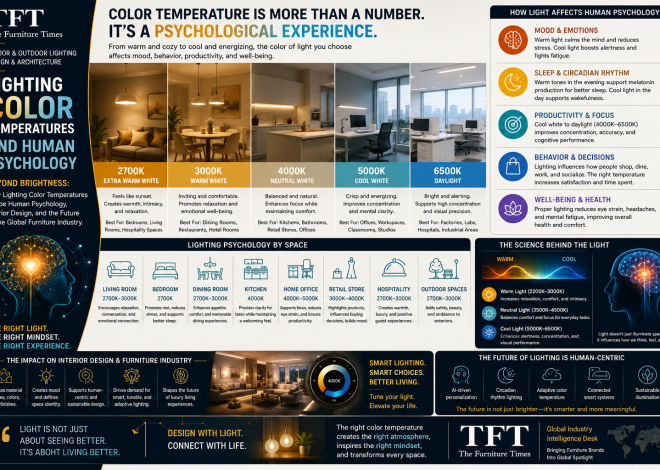
- Change color temperatures.
- Synchronize lighting with entertainment systems.
- Improve home security.
- Reduce energy consumption.
- Monitor electricity usage.
As connected homes become more common, lighting serves as one of the central components of intelligent residential ecosystems.
Human-Centric Lighting Supports Wellness
One of the fastest-growing trends in residential lighting is human-centric lighting.
Unlike traditional lighting, these systems mimic the natural progression of daylight throughout the day.
Morning lighting becomes brighter and cooler, encouraging alertness and productivity.
Evening lighting gradually shifts toward warmer tones that promote relaxation and support healthy sleep cycles.
Benefits include:
- Better sleep quality
- Reduced eye strain
- Improved mood
- Enhanced concentration
- Increased comfort
- Greater emotional well-being
- Healthier circadian rhythms
- Improved visual comfort
- Reduced stress
- Better quality of life
Homeowners increasingly recognize lighting as an important contributor to wellness rather than simply interior decoration.
Minimalist Lighting Designs Continue Growing
Minimalist interior design remains highly influential.
Contemporary homeowners increasingly prefer lighting fixtures that emphasize clean lines, simplicity, and understated elegance.
Popular choices include:
- Slim pendant lights
- Linear luminaires
- Recessed lighting
- Hidden LED strips
- Floating ceiling illumination
- Frameless fixtures
- Matte finishes
- Geometric forms
- Neutral color palettes
- Architectural integration
Lighting becomes part of the architecture rather than a dominant decorative object.
Statement Lighting Creates Luxury
While minimalism continues growing, statement lighting also remains popular.
Large chandeliers, sculptural pendants, artistic luminaires, and designer fixtures often become focal points within luxury living rooms.
Premium lighting helps define:
- Interior identity
- Architectural character
- Luxury perception
- Brand aesthetics
- Social media appeal
- Property value
- Guest experiences
- Design uniqueness
- Visual balance
- Artistic expression
Many homeowners now treat lighting fixtures as functional works of art.
Furniture and Lighting Are Becoming One
Furniture manufacturers increasingly integrate lighting into living room products.
Examples include:
- Entertainment units
- Display cabinets
- Floating shelves
- Coffee tables
- Wall systems
- Bookcases
- Media consoles
- Decorative storage
- Smart furniture
- Modular shelving
Integrated lighting improves both functionality and aesthetics while creating clean, uncluttered interiors.
The collaboration between furniture companies and lighting manufacturers continues strengthening.
Sustainable Living Influences Consumer Choices
Environmental awareness continues influencing residential purchasing decisions.
Consumers increasingly seek lighting products that offer:
- Lower energy consumption
- Recyclable materials
- Long service life
- Eco-friendly packaging
- Smart energy controls
- Reduced maintenance
- Sustainable manufacturing
- Lower carbon footprint
- Renewable energy compatibility
- Green home certifications
Lighting has become an important component of sustainable home design.
Natural Light Remains Essential
Modern living room design increasingly emphasizes maximizing daylight.
Architects incorporate:
- Large windows
- Glass walls
- Skylights
- Open floor plans
- Reflective finishes
- Light-colored materials
- Minimal window obstructions
- Indoor-outdoor connections
- Smart shading systems
- Daylight-responsive lighting
Artificial lighting increasingly complements rather than replaces natural illumination.
Artificial Intelligence Will Shape Future Homes
Future living room lighting systems will become increasingly intelligent.
AI-powered homes may automatically:
- Learn family routines.
- Adjust lighting for weather conditions.
- Respond to occupancy.
- Support wellness goals.
- Synchronize with entertainment.
- Optimize energy consumption.
- Improve security.
- Anticipate user preferences.
- Integrate with wearable devices.
- Adapt throughout changing life stages.
Lighting will become increasingly personalized and autonomous.
Real Estate Values Are Influenced by Lighting
Developers increasingly recognize that exceptional lighting contributes directly to property appeal.
Well-designed living room lighting enhances:
- Home value
- Buyer interest
- Interior photography
- Luxury positioning
- Customer satisfaction
- Energy ratings
- Smart home appeal
- Long-term marketability
- Rental performance
- Design competitiveness
Lighting has become a significant selling point in residential real estate.
Opportunities for the Lighting Industry
The continued evolution of residential living creates major opportunities across the lighting value chain.
Growth areas include:
- Smart lighting
- Human-centric lighting
- LED innovation
- AI-powered home automation
- Architectural lighting
- Decorative fixtures
- Integrated furniture lighting
- Sustainable materials
- Cloud-based lighting controls
- Residential design consulting
Manufacturers capable of combining technology, aesthetics, sustainability, and intelligent services will lead the future residential lighting market.
Challenges Facing Residential Lighting
Despite rapid innovation, several challenges remain.
Industry stakeholders continue addressing:
- Product interoperability
- Installation complexity
- Consumer education
- Cybersecurity
- Software updates
- Smart home compatibility
- Cost accessibility
- Recycling
- Product standardization
- Long-term technical support
Solving these challenges will accelerate widespread adoption.
Lighting the Living Rooms of Tomorrow
The modern living room has evolved into one of the most important spaces within contemporary homes, and lighting has become the element that brings every design decision together.
From layered lighting and integrated furniture to AI-powered automation, human-centric wellness, sustainable technologies, and architectural elegance, today’s living room lighting reflects changing lifestyles and rising consumer expectations.
For homeowners, architects, interior designers, furniture manufacturers, developers, and lighting companies, the opportunity lies in creating intelligent environments that combine beauty, comfort, flexibility, efficiency, and technology.
The future of living room lighting is not simply about brighter spaces.
It is about creating homes that adapt to human needs, enhance everyday experiences, support healthier lifestyles, and deliver timeless design through intelligent illumination.
Modern living rooms are no longer illuminated by light alone—they are defined by it.