Smart Lighting in Co-working Spaces
By The Furniture Times (TFT) | Indoor & Outdoor Lighting | Commercial & Hospitality Lighting
How Intelligent Smart Lighting Is Transforming Co-working Spaces, Workforce Productivity, Collaboration, Sustainability, and the Future of Flexible Workplaces
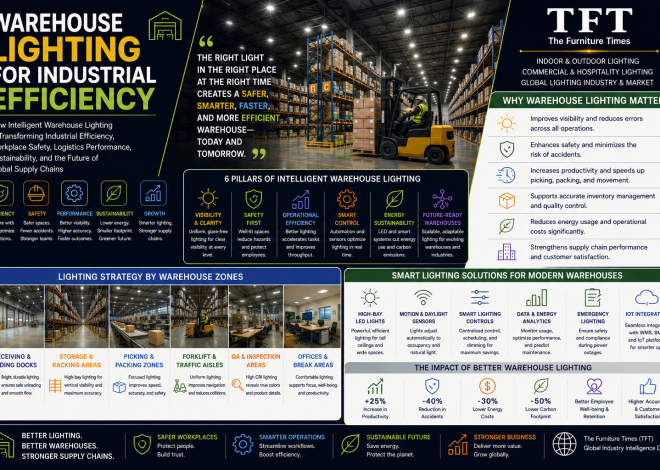
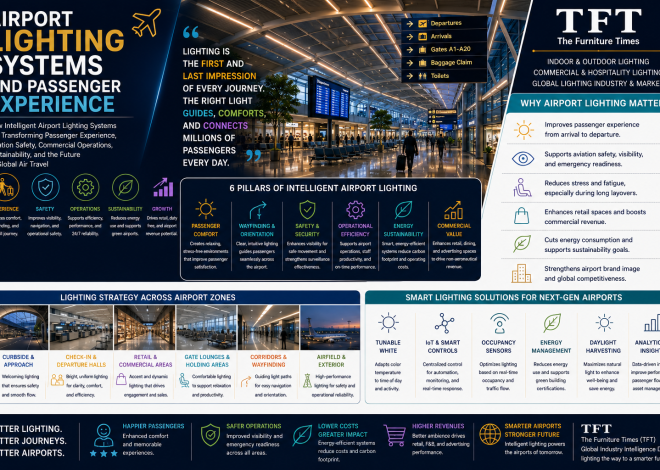
The global workplace is evolving at an unprecedented pace. Remote work, hybrid employment, digital entrepreneurship, startup ecosystems, freelance professionals, independent creators, multinational project teams, and flexible business models have reshaped how people work and where they choose to work. As a result, co-working spaces have emerged as one of the fastest-growing segments of the commercial real estate and workplace industry.
Today’s co-working environments are no longer shared office spaces with desks and internet access. They are dynamic business ecosystems that support innovation, networking, collaboration, creativity, learning, wellness, and entrepreneurship. Whether serving startups, technology companies, designers, consultants, remote employees, digital nomads, researchers, students, or small and medium-sized enterprises (SMEs), co-working spaces are becoming critical infrastructure for the future economy.
One of the most influential technologies enabling this transformation is intelligent lighting.
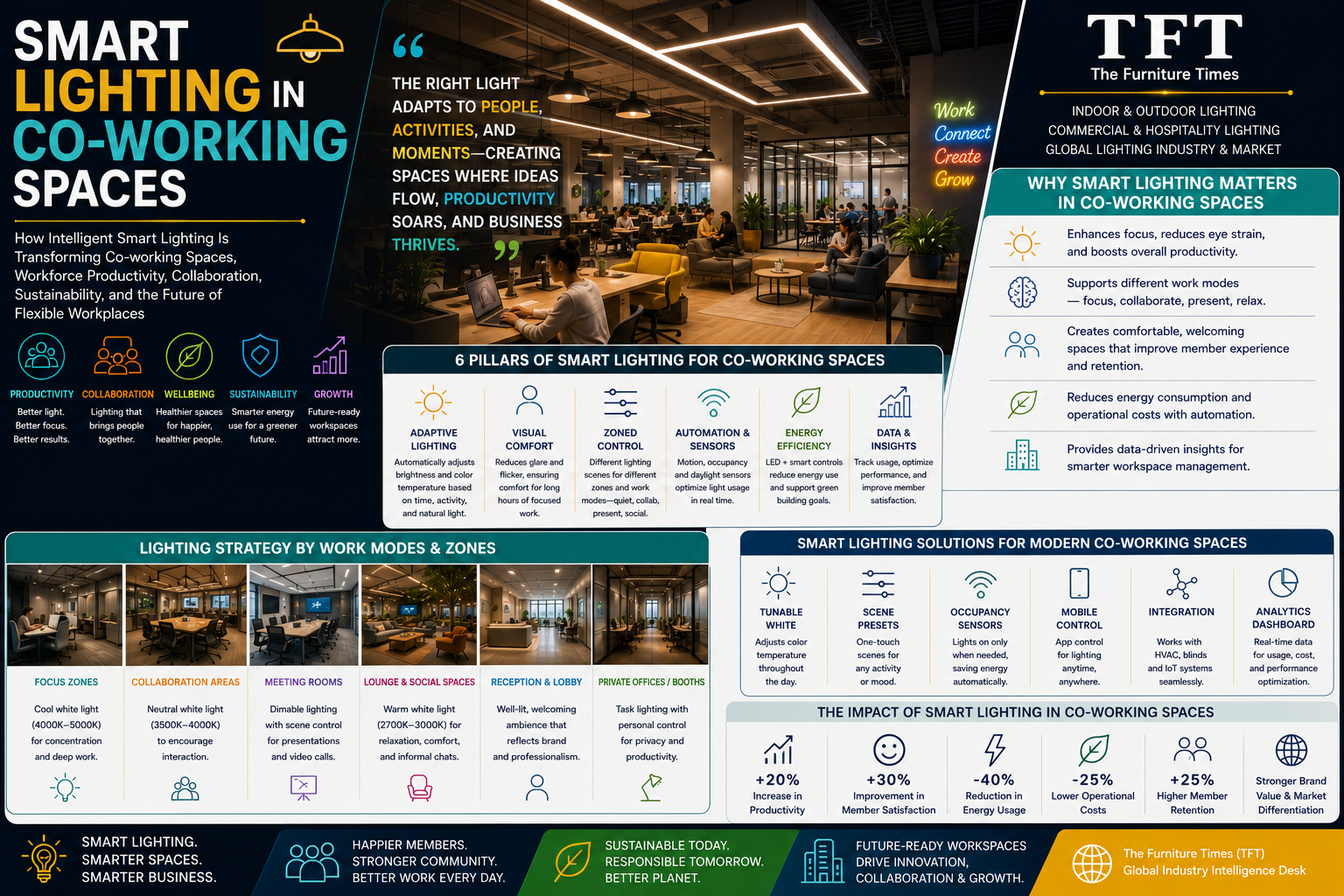
Smart lighting has evolved beyond basic illumination into an intelligent workplace system that enhances employee productivity, supports wellness, optimises energy consumption, personalises work environments, improves operational efficiency, and creates inspiring spaces where people can perform at their best.
Powered by Artificial Intelligence (AI), Internet of Things (IoT), LED technology, human-centric lighting, occupancy sensors, smart building management systems, wireless controls, and sustainable engineering, intelligent lighting is redefining the future of flexible workspaces around the world.
For co-working operators, architects, commercial developers, furniture manufacturers, interior designers, lighting companies, technology providers, investors, and workplace consultants, smart lighting has become a strategic investment in building future-ready work environments.
The Rise of Flexible Work
The traditional office is no longer the only workplace.
Modern professionals increasingly choose environments that offer:
- Flexibility
- Collaboration
- Creativity
- Networking
- Comfort
- Technology
- Wellness
- Sustainability
- Productivity
- Community
Co-working spaces successfully combine these elements into highly adaptable work environments.
Lighting plays a central role in making these environments functional, comfortable, and inspiring.
Lighting Influences Productivity and Creativity
The quality of workplace lighting directly affects how individuals perform throughout the day.
Appropriate lighting can improve:
- Concentration
- Creativity
- Collaboration
- Decision-making
- Problem-solving
- Visual comfort
- Energy levels
- Employee satisfaction
- Workplace engagement
- Overall productivity
Poor lighting contributes to eye strain, fatigue, stress, reduced focus, and lower work quality.
Lighting has become an essential part of workplace performance.
Human-Centric Lighting Supports Well-being
Human-centric lighting has become one of the most valuable innovations in co-working environments.
These intelligent systems automatically adjust brightness and colour temperature throughout the day.
Morning lighting promotes:
- Alertness
- Focus
- Positive mood
- Mental clarity
- Productivity
Afternoon lighting supports:
- Sustained concentration
- Reduced fatigue
- Comfortable collaboration
- Workplace engagement
- Consistent performance
Evening lighting gradually shifts toward warmer tones that encourage:
- Relaxation
- Reduced stress
- Better work-life balance
- Comfortable networking
- Wellness
Human-centric lighting supports healthier work environments while improving employee satisfaction.
Every Workspace Requires Different Lighting
Modern co-working facilities include diverse work environments.
Individual Workstations
Lighting should provide:
- Comfortable brightness
- Adjustable controls
- Glare reduction
- Reading comfort
- Screen compatibility
- Energy efficiency
- Personalisation
- Visual comfort
- Flexibility
- Productivity
Collaboration Areas
Group work benefits from lighting that encourages:
- Communication
- Creativity
- Brainstorming
- Teamwork
- Engagement
- Energy
- Positive interaction
- Innovation
- Comfortable visibility
- Adaptability
Meeting Rooms
Meeting environments require lighting that supports:
- Presentations
- Video conferencing
- Workshops
- Client meetings
- Strategic planning
- Training
- Discussions
- Product demonstrations
- Hybrid collaboration
- Professional communication
Event Spaces
Flexible event areas benefit from programmable lighting for:
- Networking
- Product launches
- Conferences
- Startup pitching
- Community events
- Educational programmes
- Business forums
- Exhibitions
- Innovation showcases
- Corporate gatherings
Layered Lighting Improves Workplace Performance
Professional workplace designers rely on layered lighting strategies.
Ambient Lighting
Ambient lighting provides comfortable illumination throughout the facility.
Applications include:
- Shared workspaces
- Reception areas
- Corridors
- Lounges
- Cafés
- Innovation zones
- Wellness spaces
- Libraries
- Phone booths
- Open offices
Balanced ambient lighting supports comfort while reducing glare.
Task Lighting
Task lighting supports focused activities.
Applications include:
- Individual desks
- Reading areas
- Design studios
- Technical workstations
- Administrative tasks
- Creative production
- Research work
- Financial analysis
- Legal documentation
- Coding environments
Task lighting enables individuals to customise their workspace according to personal preferences.
Accent Lighting
Accent lighting enhances workplace identity.
Applications include:
- Brand walls
- Reception counters
- Artwork
- Indoor gardens
- Architectural features
- Community spaces
- Lounge furniture
- Innovation hubs
- Café environments
- Event stages
Accent lighting creates inspiring workplaces that encourage creativity and collaboration.
Smart Lighting Powers Intelligent Workspaces
Artificial Intelligence and IoT technologies continue transforming commercial buildings.
Smart lighting systems allow operators to:
- Detect occupancy.
- Automatically adjust brightness.
- Monitor energy consumption.
- Integrate with meeting room bookings.
- Personalise lighting preferences.
- Improve facility management.
- Support predictive maintenance.
- Enhance workplace analytics.
- Reduce operating costs.
- Improve member experiences.
Lighting has become an intelligent workplace management tool.
Furniture and Lighting Create Better Experiences
Commercial furniture increasingly incorporates integrated lighting.
Applications include:
- Adjustable desks
- Collaboration tables
- Phone booths
- Meeting pods
- Reception counters
- Lounge seating
- Storage units
- Café furniture
- Innovation hubs
- Event installations
Integrated lighting improves usability while enhancing workplace aesthetics.
Furniture manufacturers and lighting companies continue developing flexible workspace solutions.
Hybrid Work Requires Adaptive Lighting
Hybrid work has changed workplace design.
Lighting must support:
- Shared desks
- Hot-desking
- Flexible schedules
- Video conferencing
- Mobile workstations
- Digital collaboration
- Quiet zones
- Community areas
- Learning environments
- Innovation labs
Programmable lighting enables rapid adaptation without requiring physical redesign.
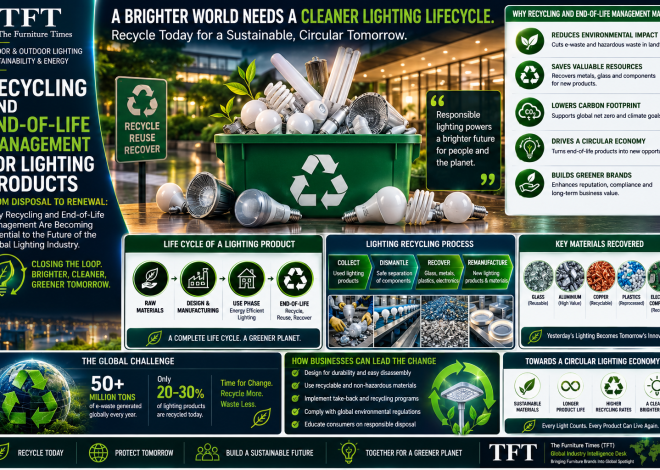
Sustainability Shapes Workplace Investment
Co-working operators increasingly prioritise environmentally responsible lighting systems.
Key initiatives include:
- Energy-efficient LEDs
- Occupancy sensors
- Daylight harvesting
- Renewable energy integration
- Smart energy monitoring
- Sustainable manufacturing
- Recyclable materials
- Green building certifications
- Carbon footprint reduction
- Responsible sourcing
Sustainable lighting reduces operational costs while supporting environmentally responsible business practices.
Artificial Intelligence Will Define the Future Workplace
Future smart lighting systems may automatically:
- Learn user preferences.
- Adapt to work schedules.
- Coordinate with meeting bookings.
- Optimise collaboration zones.
- Improve wellness.
- Predict maintenance requirements.
- Enhance accessibility.
- Integrate with wearable devices.
- Connect with complete smart office ecosystems.
- Support AI-powered workplace analytics.
Artificial Intelligence will transform lighting into an intelligent workplace partner.
Opportunities Across the Commercial Sector
The continued growth of flexible work creates opportunities for:
- Co-working operators
- Commercial developers
- Lighting manufacturers
- Furniture companies
- Architects
- Interior designers
- Workplace consultants
- Technology providers
- Sustainability specialists
- Corporate investors
Businesses capable of combining intelligent technology, flexible design, sustainability, and exceptional user experiences will lead the future workplace market.
Challenges Facing Smart Co-working Lighting
Despite rapid innovation, operators continue addressing:
- Rising energy costs
- Installation complexity
- Smart system interoperability
- Cybersecurity
- Product standardisation
- Long-term software maintenance
- Skilled workforce shortages
- Technology integration
- Budget management
- Sustainability compliance
Continuous collaboration across industries will remain essential.
Lighting the Future of Flexible Work
Smart lighting has become one of the most valuable investments in modern co-working environments.
It improves productivity, supports wellness, enhances collaboration, reduces operational costs, strengthens sustainability, and creates inspiring workspaces where innovation can thrive.
From AI-powered automation and human-centric lighting to intelligent LED systems, integrated commercial furniture, adaptive workplace environments, and smart building technologies, lighting continues transforming co-working spaces into intelligent business ecosystems.
For operators, architects, furniture manufacturers, lighting companies, technology innovators, workplace consultants, commercial developers, and investors, the opportunity lies in creating flexible environments where every lighting decision contributes to member success and long-term business growth.
The co-working spaces of tomorrow will not simply provide desks and internet connectivity.
They will become intelligent innovation hubs where technology, furniture, architecture, sustainability, community, and lighting work together to support entrepreneurs, creators, startups, businesses, and professionals in achieving their full potential.
As the future of work continues evolving across the globe, one reality has become increasingly clear: successful workplaces are no longer defined only by location or facilities—they are defined by the experiences they create, and intelligent lighting is one of the brightest drivers of that transformation.