Security Lighting for Residential Properties
By The Furniture Times (TFT) | Indoor & Outdoor Lighting | Outdoor Lighting
How Intelligent Security Lighting Is Transforming Residential Safety, Smart Homes, Outdoor Living, Sustainability, and the Future of Home Protection
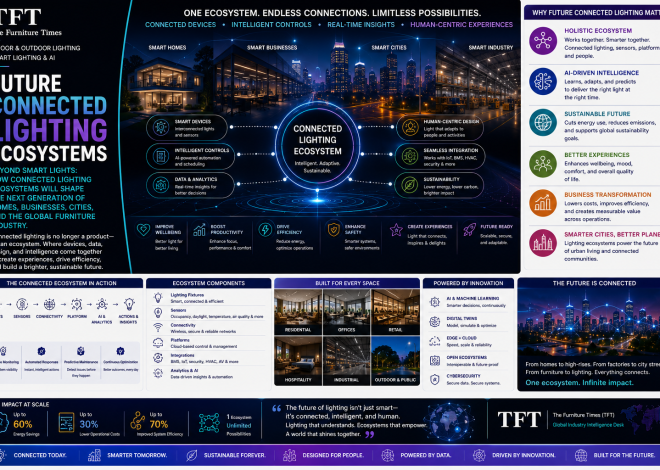
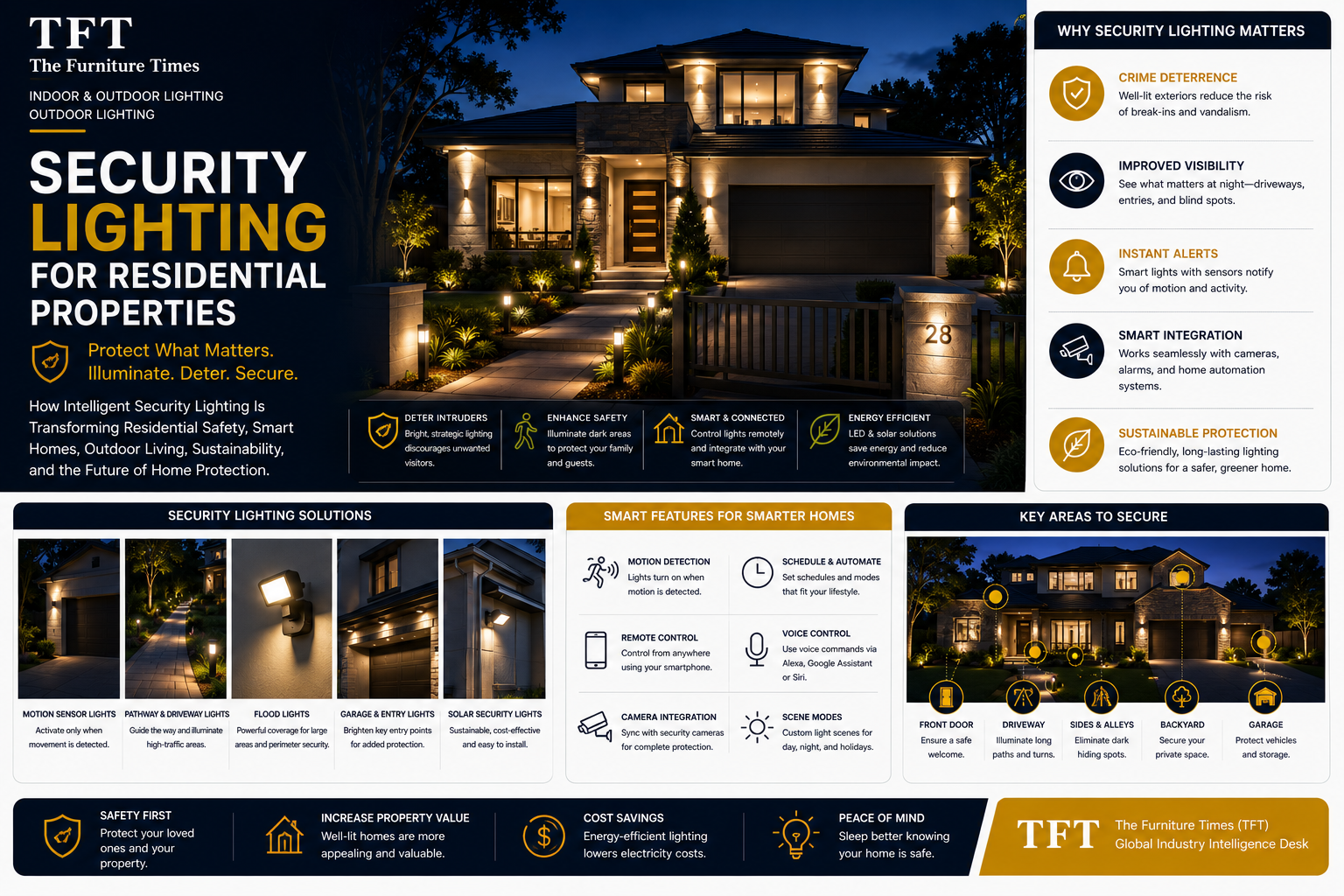
Homeowners around the world are rethinking what it means to create a safe, comfortable, and connected living environment. As residential communities expand, smart home technologies become more accessible, and lifestyles increasingly extend into outdoor spaces, home security is evolving beyond locks, gates, and surveillance cameras. Today, one of the most effective and visually appealing ways to protect residential properties is through intelligent security lighting.
Security lighting has progressed far beyond traditional floodlights that simply illuminate dark areas. Modern residential lighting systems integrate Artificial Intelligence (AI), Internet of Things (IoT), LED technology, motion detection, smart sensors, wireless automation, mobile connectivity, and sustainable energy solutions to provide homeowners with greater visibility, stronger protection, enhanced convenience, and improved energy efficiency.
Whether for detached houses, luxury villas, gated communities, townhouses, apartments, farmhouses, holiday homes, or mixed-use residential developments, intelligent security lighting has become an essential component of modern home design.
For architects, residential developers, lighting manufacturers, furniture companies, landscape designers, smart home providers, property managers, security consultants, and homeowners, investing in advanced security lighting is no longer simply about preventing crime—it is about creating safer, smarter, more welcoming homes.
Home Security Begins Before Someone Reaches the Front Door
The first layer of residential security is often the exterior environment.
A well-lit property immediately communicates that it is:
- Occupied
- Maintained
- Monitored
- Accessible
- Safe
- Secure
- Modern
- Welcoming
- Organised
- Well-designed
Lighting creates visibility that helps homeowners, visitors, neighbours, and security personnel identify potential risks before they become serious incidents.
Security starts with awareness, and awareness begins with light.
Lighting Improves Safety for Everyday Living
Security lighting benefits residents every day—not only during emergencies.
Proper illumination improves visibility around:
- Front entrances
- Rear entrances
- Garages
- Driveways
- Walkways
- Garden paths
- Staircases
- Side passages
- Outdoor kitchens
- Swimming pool areas
Well-designed lighting reduces the likelihood of slips, trips, and falls while making outdoor areas easier to navigate after dark.
Intelligent Lighting Supports Crime Prevention
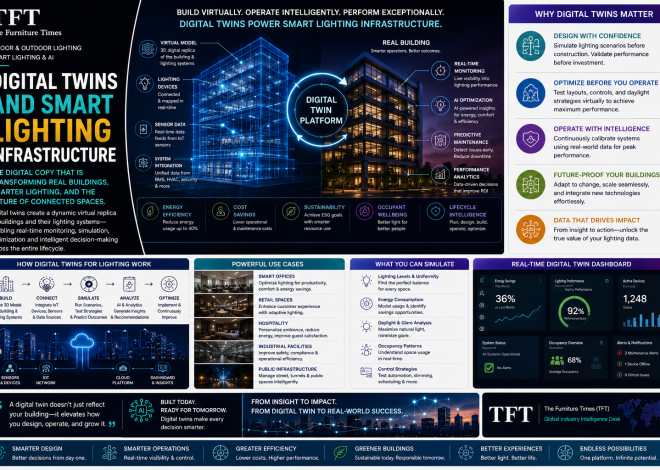
Lighting alone cannot eliminate crime, but it can significantly improve visibility and support broader residential security strategies.
Modern security lighting contributes by:
- Illuminating entry points
- Reducing hidden areas
- Supporting camera visibility
- Detecting movement
- Alerting homeowners
- Enhancing neighbourhood awareness
- Increasing visitor confidence
- Improving emergency response
- Supporting property management
- Creating a visible sense of occupancy
Integrated lighting works most effectively when combined with secure building design and other home security measures.
Every Residential Property Requires a Unique Lighting Plan
Different property types require different lighting approaches.
Detached Homes
Lighting should support:
- Family safety
- Visitor guidance
- Property protection
- Outdoor living
- Smart automation
- Energy efficiency
- Landscape integration
- Architectural enhancement
- Comfortable arrivals
- Emergency accessibility
Luxury Villas
Premium residential properties benefit from lighting that enhances:
- Architectural beauty
- Perimeter visibility
- Garden landscapes
- Private driveways
- Outdoor entertainment
- Pool environments
- Guest experiences
- Smart home integration
- Luxury aesthetics
- Long-term property value
Gated Communities
Community lighting contributes to:
- Shared security
- Pedestrian safety
- Road visibility
- Visitor management
- Children’s play areas
- Recreational facilities
- Parking zones
- Clubhouses
- Emergency access
- Community confidence
Apartment Developments
Residential complexes require lighting that supports:
- Building entrances
- Corridors
- Parking facilities
- Shared pathways
- Recreational spaces
- Bicycle storage
- Mail areas
- Community gardens
- Accessibility
- Resident well-being
Layered Lighting Creates Safer Homes
Professional designers combine multiple lighting layers to balance security with comfort.
Ambient Lighting
Ambient lighting provides overall exterior illumination.
Applications include:
- Building façades
- Gardens
- Patios
- Courtyards
- Driveways
- Rooftop terraces
- Outdoor seating
- Boundary walls
- Shared community spaces
- Landscaped areas
Balanced ambient lighting creates welcoming environments without excessive glare.
Task Lighting
Task lighting improves visibility for practical activities.
Applications include:
- Entry doors
- Garage access
- Stairways
- Pathways
- Outdoor kitchens
- Service areas
- Storage spaces
- Utility rooms
- Mailboxes
- Vehicle charging stations
Task lighting improves everyday functionality while supporting home safety.
Accent Lighting
Accent lighting enhances architectural identity while improving visibility.
Applications include:
- Decorative walls
- Trees
- Sculptures
- Pergolas
- Garden features
- Outdoor furniture
- Water features
- Planters
- House numbers
- Boundary fencing
Accent lighting strengthens both aesthetics and security by reducing dark zones.
LED Technology Powers Modern Residential Security
LED lighting has become the preferred technology for residential security systems.
Its benefits include:
- Exceptional energy efficiency
- Long operational lifespan
- Bright, consistent illumination
- Weather resistance
- Low maintenance
- Instant activation
- Smart control compatibility
- Low heat generation
- Reduced operating costs
- Sustainable performance
LED technology enables continuous security while minimising electricity consumption.
Smart Homes Depend on Intelligent Security Lighting
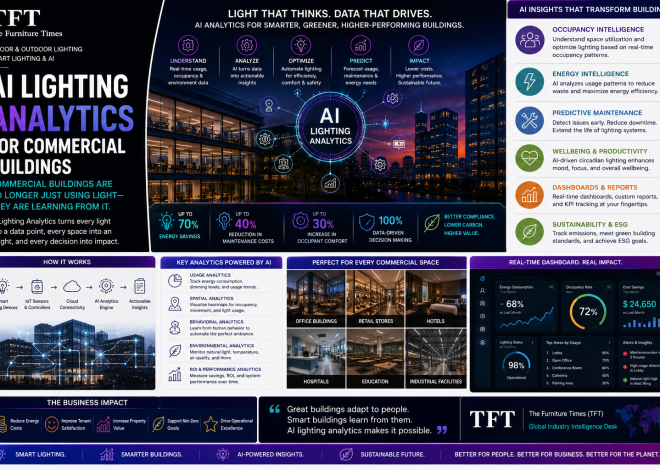
Artificial Intelligence and IoT technologies continue transforming residential living.
Smart lighting systems enable homeowners to:
- Control lighting remotely.
- Schedule lighting routines.
- Detect movement automatically.
- Adjust brightness levels.
- Integrate with security cameras.
- Connect with smart doorbells.
- Monitor energy usage.
- Receive mobile alerts.
- Support predictive maintenance.
- Personalise security settings.
Lighting has become an essential component of connected smart home ecosystems.
Outdoor Furniture and Security Lighting
Modern outdoor furniture is increasingly designed alongside integrated lighting concepts.
Examples include:
- Illuminated garden seating
- Outdoor dining areas
- Pergolas
- Lounge furniture
- Entrance benches
- Decorative planters
- Boundary walls
- Fire pit seating
- Patio furniture
- Community gathering areas
Combining furniture and lighting enhances usability while supporting safe outdoor living.
Furniture manufacturers and lighting designers continue collaborating to create integrated residential environments.
Sustainability Shapes Modern Security Lighting
Environmental responsibility has become a major consideration in residential lighting.
Modern systems increasingly incorporate:
- Energy-efficient LEDs
- Solar-powered fixtures
- Motion sensors
- Smart timers
- Renewable energy integration
- Recyclable materials
- Responsible manufacturing
- Dark-sky lighting principles
- Carbon reduction strategies
- Green home certifications
Sustainable lighting lowers operating costs while supporting environmentally responsible living.
Artificial Intelligence Will Shape the Future of Home Security
Future residential lighting systems may automatically:
- Learn household routines.
- Respond to unusual movement.
- Adapt to weather conditions.
- Coordinate with home automation.
- Optimise energy use.
- Predict maintenance requirements.
- Support emergency services.
- Enhance neighbourhood safety.
- Integrate with autonomous home technologies.
- Operate as part of complete smart residential ecosystems.
Artificial Intelligence will transform security lighting from passive illumination into an active home management system.
Opportunities Across Multiple Industries
Growing demand for smart homes creates opportunities for:
- Residential developers
- Lighting manufacturers
- Furniture companies
- Architects
- Landscape designers
- Smart home providers
- Security technology companies
- Property managers
- Sustainability consultants
- Technology innovators
Businesses capable of combining intelligent technology, beautiful design, environmental responsibility, and practical security will shape the future residential market.
Challenges Facing Residential Security Lighting
Despite significant innovation, professionals continue addressing:
- Installation complexity
- Cybersecurity for connected systems
- Rising material costs
- Product interoperability
- Light pollution
- Maintenance planning
- Weather resilience
- Product standardisation
- Skilled workforce shortages
- Sustainability compliance
Addressing these challenges will improve the long-term reliability and effectiveness of residential lighting systems.
Lighting the Future of Residential Living
Security lighting has become one of the most valuable investments homeowners can make in protecting their families and enhancing everyday living.
It improves safety, strengthens home security, supports smart home technologies, increases property value, extends outdoor usability, contributes to sustainability, and creates welcoming environments that combine protection with comfort.
From AI-powered automation and intelligent LED systems to integrated outdoor furniture, adaptive controls, renewable energy solutions, and connected residential platforms, lighting continues redefining modern home security.
For architects, developers, furniture manufacturers, lighting companies, smart home providers, landscape designers, technology innovators, and homeowners, the opportunity lies in creating residential environments where every lighting decision contributes to safety, convenience, sustainability, and peace of mind.
The homes of tomorrow will no longer rely on isolated security systems.
They will become intelligent residential ecosystems where architecture, landscaping, furniture, technology, sustainability, and lighting work together to create safer, smarter, and more resilient communities.
As smart homes become the global standard, one reality becomes increasingly clear: the future of residential protection will be built not only on advanced technology, but also on intelligent security lighting that keeps families safe while enhancing the beauty of their homes.