Best Furniture Websites Redefine Digital Growth in the Industry
How UX, Design, and E-Commerce Are Transforming Furniture Businesses
Furniture Digital Growth Hub | The Furniture Times | 2026
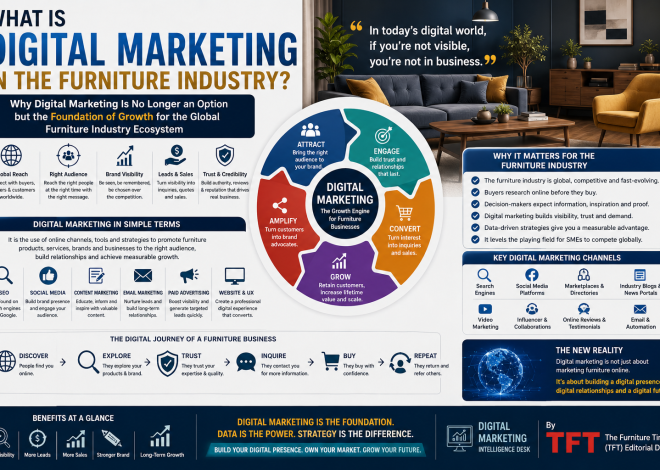
The global furniture industry is undergoing a powerful digital shift, and at the center of this transformation are high-performing furniture websites. From global brands to emerging e-commerce players, the best furniture websites are no longer just online catalogs—they are conversion engines, experience platforms, and growth drivers.
Recent analysis of top-performing furniture websites reveals a clear trend:
The companies winning today are those mastering user experience (UX), design, and digital strategy.
The Rise of Digital-First Furniture Brands
Furniture shopping has evolved dramatically.
What was once a showroom-first experience is now:
- search-driven
- visually immersive
- digitally optimized
Today’s customers begin their journey online, making the website the most critical touchpoint in the buying process.
A well-designed website directly impacts:
- trust
- engagement
- conversion rates
What Defines the Best Furniture Websites
According to industry insights, the best-performing furniture websites share a set of core characteristics:
1. User-Centric Design
Top websites prioritize:
- intuitive navigation
- clean layouts
- structured product categories
This reduces friction and improves user experience.
2. High-Quality Visual Experience
Furniture is a visual product.
Leading websites use:
- HD product images
- lifestyle photography
- immersive visuals
This builds trust and increases buying confidence.
3. Fast & Responsive Performance
Speed matters.
- slow websites = lost sales
- every second of delay impacts conversions
Performance is directly tied to revenue.
4. Seamless Navigation & Filtering
Top websites allow users to:
- filter by size, material, price
- compare products easily
- browse collections smoothly
This improves discovery and decision-making.
5. Conversion-Focused Design
The best furniture websites are built to sell.
They include:
- clear product details
- trust signals
- smooth checkout experiences
The goal is simple: turn visitors into buyers.
Examples of High-Performing Furniture Websites
Across the industry, successful websites demonstrate:
- minimalist design (Scandinavian brands)
- storytelling-driven layouts
- strong brand identity
- integrated inspiration content
Some platforms even offer:
- virtual room planners
- customization tools
- AR-based product visualization
These features elevate the experience beyond traditional retail.
Why Website Design is Now a Competitive Advantage
Furniture is a high-consideration purchase.
Customers need:
- confidence
- clarity
- convenience
A poorly designed website can result in:
- high bounce rates
- abandoned carts
- lost revenue
On the other hand, a strong digital experience:
✔ builds trust
✔ increases engagement
✔ drives conversions
The Shift: From Showrooms to Digital Experiences
The industry is moving from:
OLD MODEL:
- physical store visits
- sales-driven interactions
NEW MODEL:
- online-first discovery
- self-guided buying journey
- digital decision-making
Websites are now the new showroom
The Business Impact
Companies investing in digital excellence are seeing:
- higher conversion rates
- better customer retention
- global reach without physical expansion
Digital is no longer optional—it is core strategy
Future Trends in Furniture Websites (2026–2030)
The next generation of furniture websites will include:
- AI-powered recommendations
- AR/VR product visualization
- hyper-personalized shopping experiences
- integrated ecosystem platforms
Final Insight
The best furniture websites are not just visually appealing.
They are strategic growth tools
And in today’s market:
Your website is your most powerful showroom, salesperson, and brand ambassador—all in one.