
The Global Furniture Economy Report
Special Industry Report | The Furniture Times | 2026
The furniture industry is one of the largest and most influential sectors within the global consumer goods economy. From handcrafted luxury pieces to large-scale mass production, furniture shapes how people live, work, and interact with their environments.
Today, the global furniture industry represents a market worth hundreds of billions of dollars annually, with projections suggesting the sector could surpass $1 trillion in value within the next decade. This growth is driven by urbanization, rising incomes, technological innovation, and changing consumer lifestyles.
The Global Furniture Economy Report provides an in-depth look at the structure, trends, and future trajectory of this vast industry.
The Size of the Global Furniture Market
Furniture demand spans residential, commercial, and hospitality sectors, making it one of the most dynamic segments of global manufacturing and retail.
Industry analysts estimate that the global furniture market currently exceeds $700–800 billion annually, with steady growth expected through 2030.
Several factors are contributing to this expansion:
• rapid urbanization in emerging markets
• increased residential construction
• growth of hospitality and tourism sectors
• expansion of e-commerce furniture retail
• rising demand for sustainable home products
As middle-class populations grow in Asia, Africa, and Latin America, furniture consumption is expected to increase significantly.
Major Segments of the Furniture Industry
The global furniture economy can be divided into several major categories.
Residential Furniture
Residential furniture accounts for the largest share of the global market. This category includes:
• living room furniture
• bedroom furniture
• dining furniture
• storage systems
Changing housing patterns, smaller urban apartments, and lifestyle trends continue to influence design and demand.
Office and Commercial Furniture
The office furniture sector is undergoing transformation due to hybrid work models and evolving workplace design.
Companies are investing in furniture that supports:
• flexible collaboration spaces
• ergonomic workstations
• adaptable office layouts
Corporate demand for ergonomic furniture has grown significantly in recent years.
Hospitality Furniture
Hotels, restaurants, and resorts represent a significant portion of the furniture market.
Large hospitality projects often require custom furniture solutions designed to match brand identity and interior design concepts.
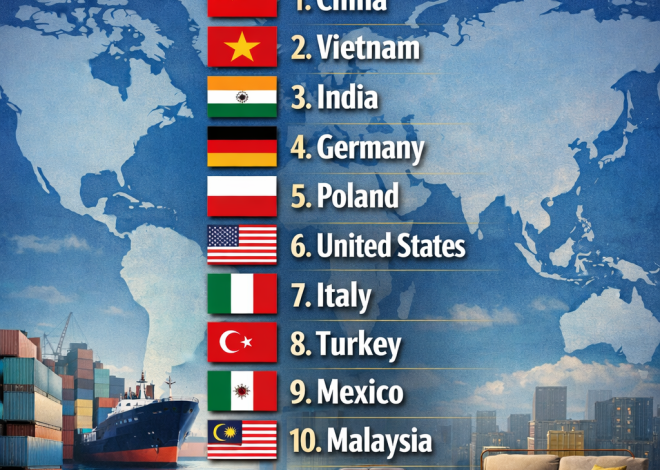
Global Furniture Manufacturing Hubs
Furniture production is distributed across several major manufacturing regions.
China
China remains the world’s largest furniture producer and exporter. Its manufacturing ecosystem combines advanced production facilities with extensive supply chain networks.
Southeast Asia
Countries such as Vietnam, Malaysia, and Indonesia have rapidly emerged as global furniture manufacturing centers.
These countries benefit from:
• skilled woodworking labor
• growing export infrastructure
• competitive production costs
Europe
Europe remains a leader in furniture design and high-end manufacturing.
Countries such as Italy, Germany, and Denmark are internationally recognized for their premium furniture brands and design innovation.
North America
The United States remains a major consumer market and an important hub for furniture retail innovation and product development.
Global Furniture Trade Flows
Furniture products move through complex international supply chains before reaching consumers.
Manufacturers export products to retailers, distributors, and hospitality projects across the world.
Major furniture export markets include:
• United States
• European Union
• Middle East
• Japan
• Australia
Logistics networks, shipping infrastructure, and international trade agreements play critical roles in the global furniture economy.
The Rise of Digital Furniture Retail
One of the most disruptive changes in the industry has been the rapid expansion of online furniture retail platforms.
Consumers are increasingly purchasing furniture through e-commerce websites and mobile applications.
Digital tools such as augmented reality visualization allow customers to preview furniture in their homes before purchasing.
This digital transformation is reshaping traditional furniture retail models.
Sustainability and the Future of Furniture Production
Environmental responsibility is becoming a defining factor in furniture manufacturing.
Companies are investing in sustainable practices such as:
• certified wood sourcing
• recycled materials
• low-emission manufacturing processes
• circular production models
Consumers are also increasingly prioritizing environmentally responsible products.
Technology Transforming the Furniture Industry
Technological innovation is expected to play a major role in the future of furniture production and design.
Emerging technologies include:
• AI-assisted design systems
• robotic manufacturing processes
• digital supply chain management
• smart furniture integration
These innovations may significantly increase efficiency while enabling new design possibilities.
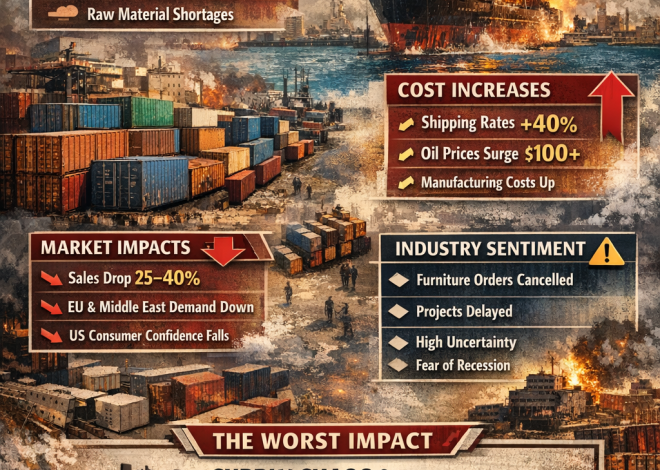
Key Challenges Facing the Industry
Despite strong growth potential, the furniture industry faces several challenges.
These include:
• rising raw material costs
• supply chain disruptions
• global trade uncertainties
• environmental regulations
Manufacturers must continuously adapt to these changing economic conditions.
Future Outlook: The Next Decade
Looking ahead to the next decade, the furniture industry is expected to evolve in several important ways.
Future trends include:
• increased demand for smart furniture
• expansion of sustainable production
• growth of modular furniture design
• stronger integration with digital technologies
• expansion of global furniture trade
Companies that embrace innovation and sustainability will likely lead the next era of industry growth.
The Human Story Behind Furniture
Despite automation and technological change, the furniture industry remains deeply rooted in human creativity and craftsmanship.
From designers imagining new living spaces to artisans shaping materials into finished products, furniture represents both functionality and artistic expression.
As the global furniture economy continues to expand, it will remain an industry driven by innovation, collaboration, and human creativity.