The Great Outdoor Furniture Reset: Industry Transformation Underway in 2025
Sweeping tariffs, material innovations, and permanent lifestyle changes create perfect storm for patio furniture market disruption
The outdoor furniture industry is experiencing its most significant transformation in decades, driven by a confluence of economic pressures, technological advances, and fundamental shifts in how Americans view their outdoor living spaces.
Tariff Impact Reshapes Supply Chains
U.S. tariffs on Chinese outdoor furniture imports have reached unprecedented levels of 145%, forcing manufacturers and retailers to completely rethink their sourcing strategies. This dramatic policy shift is accelerating supply chain diversification as companies scramble to find alternative production partners in Southeast Asia, Latin America, and even domestic facilities.
The tariff structure has effectively ended the era of disposable patio furniture, where consumers routinely replaced their outdoor sets every 2-3 years based primarily on aesthetic preferences and seasonal sales cycles.
Consumer Behavior Evolution
Post-pandemic lifestyle changes have permanently elevated the importance of outdoor living spaces. What began as a temporary adaptation during lockdowns has evolved into a lasting cultural priority, with American households investing unprecedented amounts in their patios, balconies, and rooftop terraces.
Key consumer trends emerging in 2025:
- Quality over quantity: Buyers increasingly seek durable, long-lasting pieces rather than frequent replacements
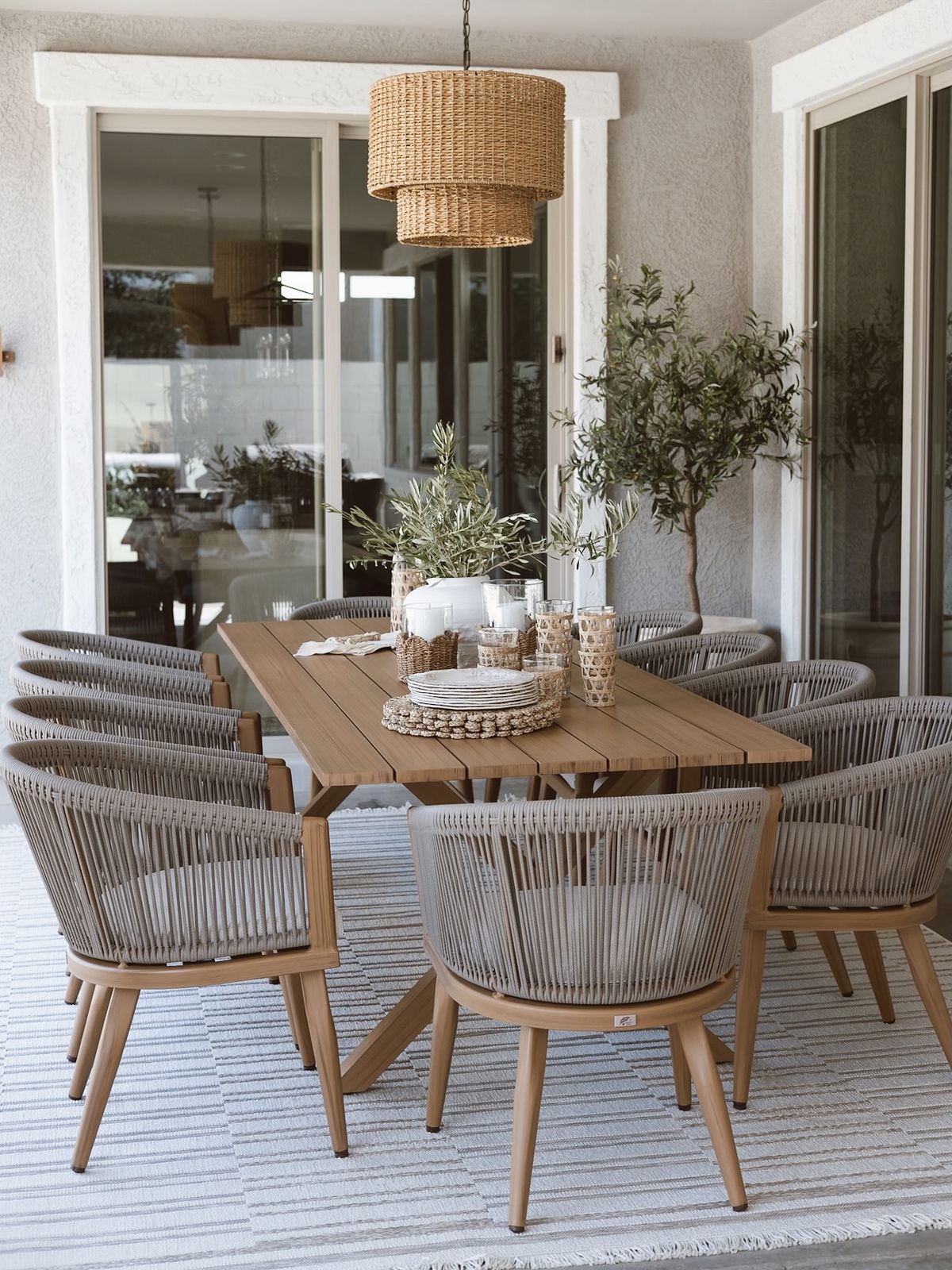
- Premium materials adoption: Advanced weather-resistant fabrics and composite materials gaining market share
- Multi-functional designs: Furniture that serves multiple purposes and adapts to different outdoor activities
- Sustainability focus: Environmental consciousness driving demand for recyclable and eco-friendly options
Material Innovation Breakthrough
The industry is witnessing significant advances in weather-resistant materials and construction techniques. New composite materials offer superior durability while maintaining aesthetic appeal, addressing long-standing consumer frustrations with traditional outdoor furniture limitations.
These innovations are arriving precisely when economic pressures demand longer-lasting products, creating a perfect alignment of market forces and technological capability.
Market Implications
The transformation represents more than just pricing adjustments. Industry analysts predict a fundamental reset in how outdoor furniture is manufactured, marketed, and purchased. The shift toward premium, durable products is expected to:
- Consolidate market share among manufacturers capable of producing higher-quality goods
- Increase average selling prices while potentially reducing unit volumes
- Reward brands that successfully communicate value propositions beyond price
- Accelerate adoption of direct-to-consumer sales models
Looking Ahead
As 2025 progresses, the outdoor furniture industry appears to be entering a new phase characterized by quality, durability, and enhanced consumer experience rather than the volume-driven model that dominated previous decades.
This transformation reflects broader economic and cultural shifts, suggesting that the changes now underway may define the industry for years to come rather than representing a temporary market adjustment.
The companies that successfully navigate this transition by combining supply chain agility, material innovation, and deep understanding of evolving consumer preferences are likely to emerge as the market leaders in this new era of outdoor living.