The Role of Kitchen Cabinets & Wardrobes in Modern Homes: Shaping Functionality, Design, and the Future of Living
Where Furniture Meets Lifestyle
In modern homes, the kitchen and bedroom are no longer just functional spaces—they are reflections of lifestyle, personality, and efficiency. At the heart of these spaces lie kitchen cabinets and wardrobes, furniture components that have transitioned from simple storage solutions into design statements and value drivers.
As homeowners demand smarter living environments, these two furniture categories have become central to interior planning, real estate valuation, and the future growth of the furniture industry worldwide.
Kitchen Cabinets: The Engine of Everyday Living
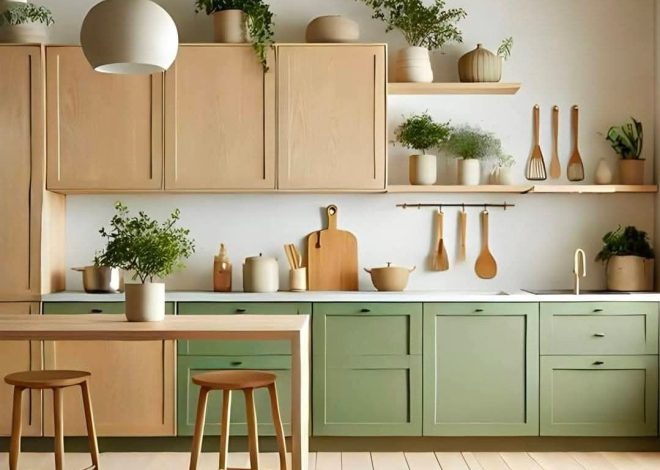
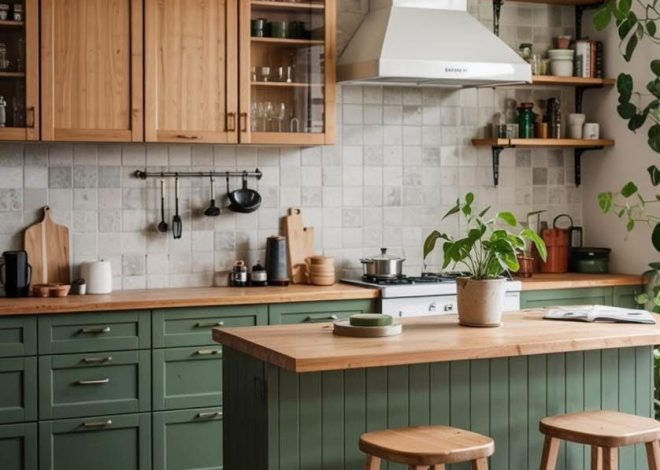
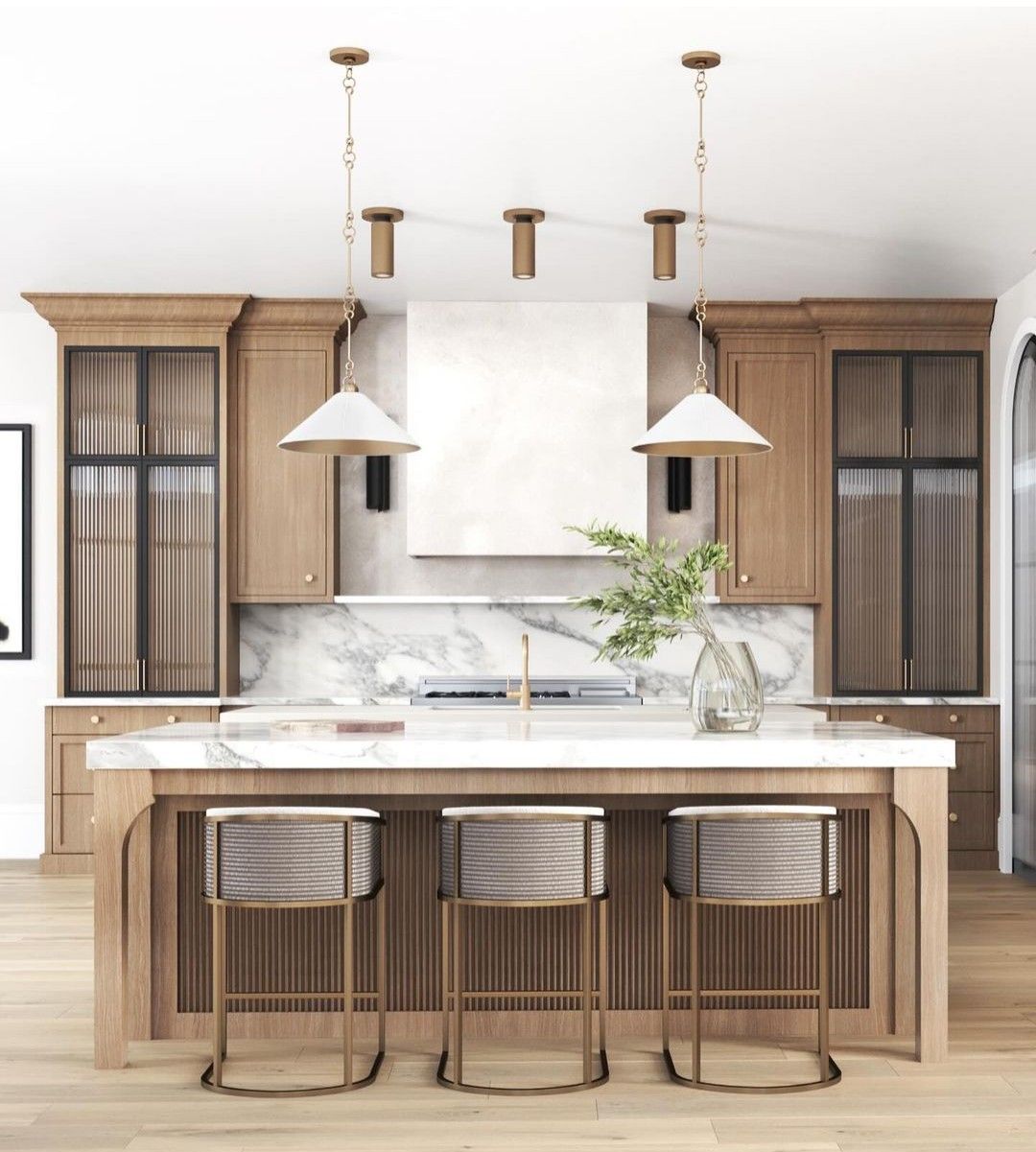
Kitchen cabinets serve as the structural backbone of the kitchen, supporting workflow, hygiene, and organization. From modular layouts to fully customized systems, cabinets define how efficiently a kitchen functions.
Modern cabinets now integrate:
- Ergonomic layouts based on daily usage
- Soft-close drawers and modular accessories
- Built-in appliance compatibility
- Smart lighting and sensor-based mechanisms
Beyond functionality, cabinets shape the kitchen’s visual identity. Materials such as engineered wood, solid wood, laminates, acrylics, and eco-friendly boards allow homeowners to personalize kitchens while maintaining durability and safety.
Wardrobes: Personalized Spaces of Order and Identity
Wardrobes have evolved into highly personalized lifestyle systems. No longer limited to hanging clothes, modern wardrobes organize entire routines—from workwear and accessories to valuables and seasonal storage.
Key wardrobe trends include:
- Floor-to-ceiling installations for space efficiency
- Sliding and mirrored doors for compact homes
- Customized internal compartments
- Integrated dressing and storage zones
Well-designed wardrobes reduce clutter, enhance daily efficiency, and contribute to emotional well-being—making them an essential element of modern living.
Customization: The Industry’s New Growth Catalyst
The shift from mass-produced furniture to custom and semi-custom cabinetry has reshaped the furniture ecosystem. Consumers increasingly expect furniture tailored to:
- Home size and layout
- Lifestyle habits
- Cultural preferences
- Storage behavior
This transformation has strengthened collaboration between manufacturers, interior designers, retailers, and technology providers—creating a value-driven furniture supply chain.
Sustainability and Innovation
Environmental responsibility has become a decisive factor in furniture purchasing decisions. Kitchen cabinets and wardrobes are now produced using:
- Low-VOC materials
- FSC-certified wood
- Long-life hardware systems
- Recyclable finishes
Sustainable cabinetry improves indoor air quality, reduces waste, and aligns with global green building standards—making it a priority for modern homes and commercial projects.
Real Estate Impact: Furniture That Sells Homes
In real estate markets, kitchens and wardrobes influence buyer perception more than any other interior element. Properties featuring modern modular kitchens and fitted wardrobes:
- Attract higher buyer interest
- Command premium pricing
- Shorten sales cycles
Developers increasingly position cabinetry as a core selling feature rather than an add-on.
Industry Outlook: A Pillar of Furniture Market Growth
Kitchen cabinets and wardrobes are among the fastest-growing furniture segments globally, driven by urbanization, renovation trends, and rising disposable incomes.
Their growth fuels allied industries including:
- Hardware and fittings
- Interior design services
- Smart home technology
- Sustainable material manufacturing