GMADA Demolishes Illegal Furniture Market in New Chandigarh, Reinforcing Urban Regulations
NEW CHANDIGARH / MOHALI —
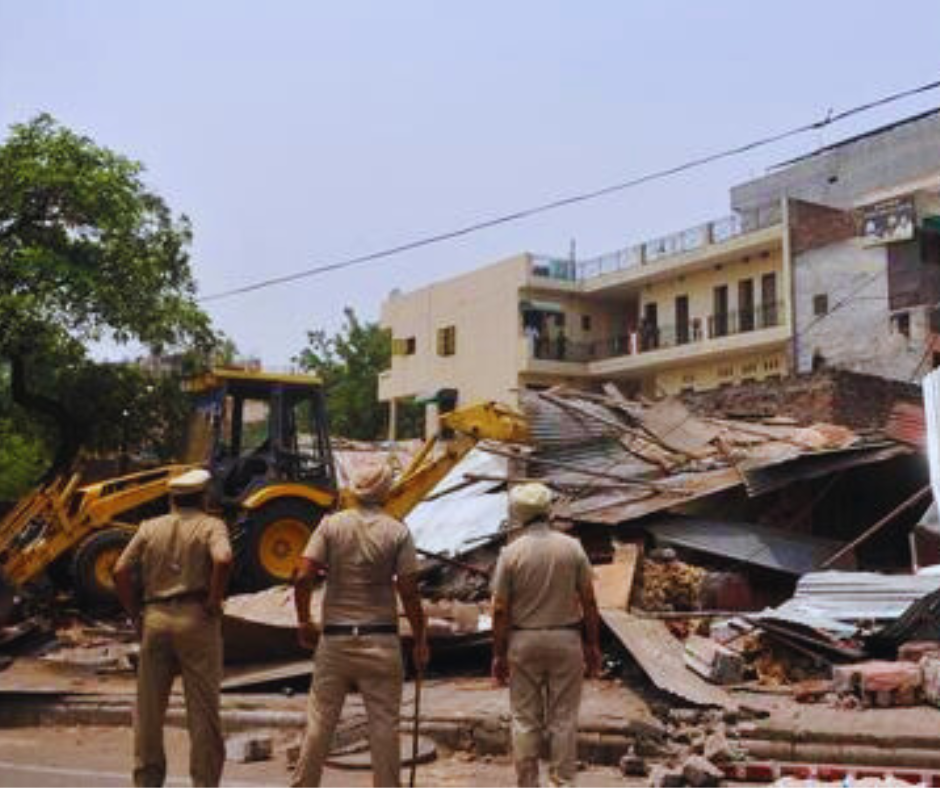
The Greater Mohali Area Development Authority (GMADA) has undertaken a major demolition drive targeting an illegal furniture market in parts of New Chandigarh, razing over 50 unauthorised structures on Wednesday as part of its crackdown on commercial encroachments and construction without proper approvals.
The enforcement action formed part of an ongoing drive by GMADA to curb unregulated development in areas that include Boothgarh, Saini Majra, Kansala, and Palheri — localities where makeshift shops and commercial activities had grown over time without requisite permissions. Authorities reiterated that shop owners had been issued repeated warnings to obtain proper approvals but failed to comply, leaving demolition as the final enforcement step.
Crackdown on Long-Standing Encroachments
GMADA officials stressed that the demolition drive was carried out after extensive notices and advisories to vendors who were operating without approved commercial licences or construction clearances. The structures — many of them temporary furniture shops and market stalls — reportedly stood on land not designated for commercial use, thereby violating planning norms of the development authority.
Officials have noted that unauthorised commercial activities in these regions have persisted for years, contributing to haphazard development and undermining urban planning efforts. The demolition operation was seen as part of a broader commitment to enforce land-use rules uniformly and prevent encroachments from multiplying.
Impact on Traders and Local Economy
The removal of the furniture market has direct implications for local shopkeepers and traders who had set up businesses without formal approvals. While enforcement authorities cite regulatory compliance as the priority, traders may face losses due to the destruction of physical stock and lack of authorised commercial space. Community reactions — including prior public discussions and social media conversations about the market’s fate — suggest a mix of disappointment and resignation among customers and vendors alike.
Displaced sellers were seen shifting stock to neighbouring areas immediately after the action, with some reportedly relocating to fringes of New Chandigarh or nearby industrial sectors. Online discussions in public forums reflected uncertainty about where the former market will resurface and whether formal relocation or alternative markets will be provided.
Authorities Emphasise Rule of Law
GMADA’s enforcement initiative underscores a consistent message from local authorities: land use and commercial development must align with approved planning guidelines. Without permission, structures — including furniture markets and other commercial entities — risk demolition, irrespective of how long they have existed.
Officials also noted that similar crackdowns have been part of a broader pattern of urban enforcement in the tri-city region, as development authorities and municipal bodies seek to manage rapid expansion while preventing unplanned encroachments.
Outlook: Urban Development and Compliance
Observers say the demolition drive may be a turning point in controlling unregulated markets in rapidly growing areas like New Chandigarh, where demand for commercial space often outpaces formal planning processes. Authorities will likely continue monitoring land use closely and may propose more structured relocation plans or wholesale markets to provide legal alternatives for traders.
City planners underscore that effective enforcement of regulations is critical to sustainable urban growth and reducing unsafe, informal commercial spaces — particularly in areas adjacent to major transportation arteries and residential developments where congestion and safety risks can escalate.

Related Posts

Mexico Furniture Market Expected to Surpass $15.8 Billion by 2034 as Demand for Modern Living Spaces Grows

Haverty Furniture Companies, Inc. to Participate in Major Global Investor Conferences in 2026