Furniture Designing Software — Trends, Importance, AI Evolution & What Manufacturers Must Prioritize in 2026
The Digital Transformation of Furniture Design
The furniture industry is at a pivotal moment. Once driven by manual drafting and physical prototyping, design processes today are increasingly powered by sophisticated software tools and AI-enabled technologies. These advancements have not only redefined how designers visualize furniture but also how manufacturers plan production, collaborate globally, and innovate intelligently. Furniture designing software has become essential — shaping creativity, enhancing efficiency, and influencing competitive advantage.
This article explores the rise of furniture design software, major trends shaping the market, the role of artificial intelligence, and what furniture manufacturers need to focus on to remain relevant in a rapidly evolving industry.
The Growing Importance of Furniture Designing Software
Furniture design software serves as the digital backbone of the industry — from initial concept sketches to final production specifications. Leading tools enable:
1. Precision and Technical Accuracy
Modern software replaces hand-drawn blueprints with digital models that can incorporate exact dimensions, tolerances, and material properties. This precision ensures that designs are manufacturable, fit intended spaces accurately, and meet performance expectations.
2. Enhanced Visualization and Presentation
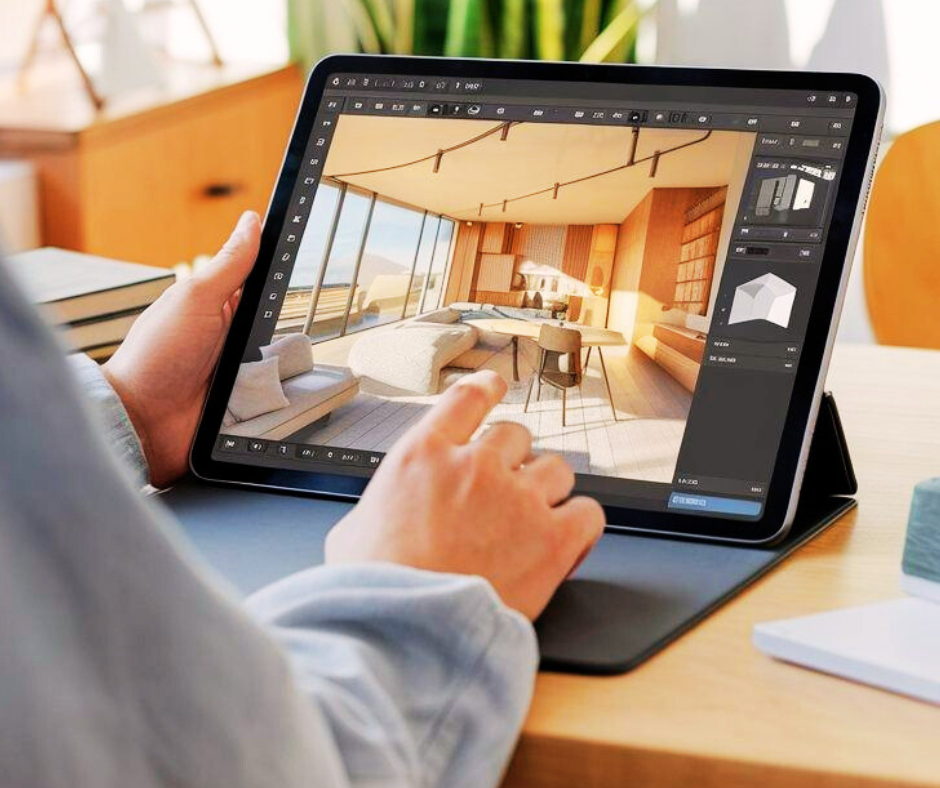
Photorealistic rendering capabilities allow designers and clients to preview products in real environments before manufacturing begins. High-quality visuals help:
- Validate design decisions
- Streamline approvals
- Reduce costly revisions
3. Collaborative Workflows Across Disciplines
Cloud-enabled tools allow cross-functional teams to collaborate in real time — whether designers in Milan, engineers in Shanghai, or marketers in New York. Centralized platforms synchronize design updates, project milestones, and production plans.
4. Prototyping and Manufacturing Integration
Software solutions today bridge design and manufacturing — generating output files for CNC machines, laser cutters, and 3D printers. Integration means smoother transitions from digital model to physical product.
Top Trends in Furniture Designing Software (2026)
Trend 1: All-In-One Platforms
Furniture companies increasingly prefer solutions that integrate CAD (Computer-Aided Design), rendering, BIM (Building Information Modeling), and simulation in one suite. These platforms reduce the need to switch between multiple applications and streamline end-to-end design processes.
Trend 2: Cloud-Based Collaboration
Cloud technology allows designers and engineers to access and edit models simultaneously from anywhere in the world. This supports:
- Real-time version control
- Centralized libraries of parts and materials
- Cross-discipline teamwork
Leading cloud platforms also facilitate remote client presentations — especially vital in hybrid business environments.
Trend 3: Smart Parametric & Generative Design
Parametric tools allow designers to define relationships and rules — e.g., adjusting the width of a dresser automatically alters drawer dimensions and material needs. Generative design takes this further: AI algorithms test hundreds of configurations based on constraints such as strength, weight, and cost, proposing optimized design options.
Trend 4: AR/VR Integration
Augmented Reality (AR) and Virtual Reality (VR) are revolutionizing how furniture is experienced before it is built. Designers and clients can visualize full-scale furniture in real spaces, explore variations, and make informed decisions without physical prototypes.
The AI Era: What’s Changing in Furniture Design
Artificial Intelligence is redefining several aspects of furniture design and manufacturing:
AI-Assisted Ideation
AI tools can now generate design concepts based on input parameters like dimensions, style preferences, and material constraints. Designers can quickly explore variations and refine ideas with machine assistance.
Predictive Design Optimization
AI models analyze historical data — such as performance tests, consumer preferences, and structural outcomes — to recommend optimal material choices, joinery techniques, and production methods.
Automated Rendering & Visualization
AI accelerates rendering processes, automating lighting, surface textures, shadows, and reflections to produce near-photorealistic models in minutes instead of hours.
Smart Error Detection
Software now uses AI to detect design flaws — such as structural weaknesses, unstable joints, or manufacturing conflicts — before parts go into production.
What Furniture Manufacturers Must Prioritize in 2026
To thrive in this digital era, manufacturers should focus on several strategic areas:
1. Invest in Advanced Software Tools
Legacy tools can’t keep pace with modern demands. Firms must adopt platforms that support:
- 3D modeling and parametric design
- Real-time collaboration
- Photorealistic rendering
- File outputs compatible with digital fabrication
Investing in tools like Fusion 360, SolidWorks, Rhino, Blender, Vectorworks, and AI-enhanced solutions positions manufacturers for long-term competitiveness.
2. Build In-House Digital Competence
Software is only as effective as the people who use it. Manufacturers must invest in training and upskilling their workforce, ensuring designers, engineers, and project managers can leverage advanced features.
3. Link Digital Design with Production
Cohesion between design and manufacturing workflows is no longer optional. Integrating software with CNC machines, ERP systems, and production scheduling tools enables lean manufacturing, reduces waste, and shortens time to market.
4. Focus on Personalization and Customization
Consumers increasingly expect tailor-made solutions. Software that supports parametric design and mass customization enables manufacturers to offer personalized furniture with efficient workflows.
5. Prioritize Sustainability
Software tools must support sustainable material libraries, environmental impact simulations, and life-cycle assessment data to help manufacturers design greener products. Being able to model carbon footprints and material usage aligns with global sustainability goals.
Challenges & Considerations
Even as opportunities expand, manufacturers must navigate challenges such as:
- Software cost and licensing complexity
- Steep learning curves for advanced tools
- Data security in cloud collaboration
- Integration with legacy machines and systems
Manufacturers must plan software adoption strategically — balancing investment, training, and infrastructure readiness.
Conclusion: A New Frontier in Furniture Creation
Furniture designing software has transitioned from a useful aid to a strategic imperative. In 2026 and beyond, success hinges on how well companies integrate advanced tools, embrace AI capabilities, and adapt workflows to digital demands.
From concept to manufacture, from visualization to personalization, these technologies define the competitiveness and creativity of tomorrow’s furniture industry — empowering manufacturers to innovate faster, collaborate smarter, and deliver products that resonate with modern consumers.

Related Posts
Top 10 Furniture Designing Software in 2026 — Tools Empowering Designers, Manufacturers and Retail Innovators

Furniture Designing Software in the AI Era: Trends, Importance, and What Manufacturers Must Focus on Now