What Is Green Manufacturing? A Deep Dive into the Future of Sustainable Industry
By Staff Reporter
As climate change, resource scarcity, and environmental accountability dominate global conversations, green manufacturing has emerged as a defining force shaping the future of industrial production. No longer a niche concept or a public relations buzzword, green manufacturing is rapidly becoming a strategic, economic, and ethical imperative for manufacturers across the world.
But what exactly is green manufacturing—and why does it matter now more than ever?
Understanding Green Manufacturing
Green manufacturing, also known as sustainable manufacturing, refers to the practice of designing, producing, and delivering products in ways that minimize environmental impact, conserve natural resources, and promote long-term ecological balance—without compromising quality, safety, or economic viability.
At its core, green manufacturing integrates environmental thinking into every stage of the manufacturing lifecycle, including:
- Product design
- Raw material sourcing
- Production processes
- Energy consumption
- Waste management
- Packaging and distribution
- End-of-life disposal or recycling
The goal is simple yet transformative: produce more with less harm.
Why Green Manufacturing Is Gaining Global Momentum
Several converging forces are accelerating the shift toward green manufacturing:
1. Climate Change and Environmental Pressure
Industrial activity is one of the largest contributors to greenhouse gas emissions, water pollution, and waste generation. Governments, consumers, and international organizations are demanding cleaner, more responsible production models.
2. Regulatory Compliance
Stricter environmental regulations, carbon taxes, emissions caps, and waste management laws are pushing manufacturers to rethink traditional practices or face financial and legal consequences.
3. Consumer Awareness
Today’s consumers are increasingly eco-conscious. They prefer brands that demonstrate transparency, sustainability, and ethical responsibility—making green manufacturing a competitive advantage.
4. Cost Efficiency and Resource Optimization
Contrary to earlier assumptions, green manufacturing often reduces costs in the long run through energy efficiency, waste reduction, optimized logistics, and lower material usage.
5. Investor and ESG Expectations
Environmental, Social, and Governance (ESG) metrics are now critical for investors. Manufacturers with strong sustainability credentials attract more funding and long-term partnerships.
Key Principles of Green Manufacturing
Green manufacturing is built on several foundational principles that guide decision-making and operations:
1. Energy Efficiency
Reducing energy consumption through efficient machinery, smart systems, and renewable energy sources such as solar, wind, or biomass.
2. Sustainable Materials
Using recycled, biodegradable, renewable, or low-impact materials instead of virgin or hazardous resources.
3. Waste Reduction and Circularity
Adopting zero-waste or low-waste practices by reusing by-products, recycling materials, and designing products for disassembly and reuse.
4. Pollution Prevention
Limiting air, water, and soil pollution through cleaner production techniques, non-toxic chemicals, and closed-loop systems.
5. Lifecycle Thinking
Evaluating environmental impact from cradle to grave—or increasingly, from cradle to cradle—ensuring products return safely into the ecosystem or production cycle.
Green Manufacturing in Practice: Real-World Applications
Green manufacturing is not theoretical—it is already reshaping industries worldwide.
Manufacturing Processes
- Lean manufacturing to eliminate inefficiencies
- Low-temperature or low-emission production methods
- Water recycling and rainwater harvesting systems
Factory Operations
- Smart factories using IoT and AI to monitor energy and waste
- Green buildings with natural lighting, insulation, and efficient HVAC systems
- Electrification of machinery and internal logistics
Supply Chain Sustainability
- Local sourcing to reduce transportation emissions
- Sustainable procurement policies
- Supplier audits based on environmental standards
Role of Technology in Green Manufacturing
Technology plays a critical role in accelerating green manufacturing adoption:
- Artificial Intelligence (AI): Optimizes energy use, predicts maintenance, and reduces waste
- Internet of Things (IoT): Real-time monitoring of emissions, water use, and power consumption
- Digital Twins: Simulate production processes to reduce trial-and-error waste
- Automation: Enhances precision, reducing material loss and defects
- Advanced Materials: Enable lighter, stronger, and more sustainable products
Benefits of Green Manufacturing
The advantages extend far beyond environmental protection:
Environmental Benefits
- Reduced carbon footprint
- Lower pollution levels
- Conservation of natural resources
Economic Benefits
- Lower operational and energy costs
- Improved efficiency and productivity
- Access to green incentives, subsidies, and tax benefits
Brand and Market Benefits
- Stronger brand reputation
- Increased customer loyalty
- Competitive differentiation
Workforce and Social Impact
- Safer and healthier working environments
- Higher employee engagement
- Alignment with global sustainability goals
Challenges in Adopting Green Manufacturing
Despite its benefits, green manufacturing comes with challenges:
- High initial investment costs
- Limited access to sustainable raw materials in some regions
- Lack of technical expertise or skilled workforce
- Resistance to change within traditional manufacturing cultures
However, as technology matures and sustainability becomes mainstream, these barriers are steadily diminishing.
Green Manufacturing and the Future of Industry
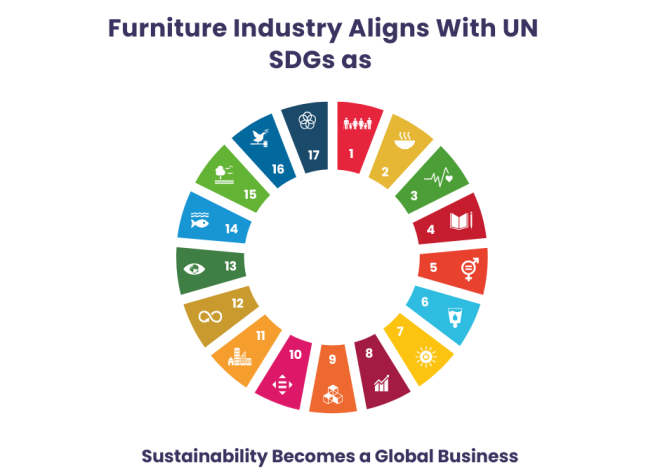
Green manufacturing is not a temporary trend—it is a long-term transformation of how industries operate. As global commitments such as net-zero targets, carbon neutrality goals, and the UN Sustainable Development Goals (SDGs) gain traction, manufacturers that fail to adapt risk becoming obsolete.
Future-ready manufacturers are those that see sustainability not as a cost, but as an innovation engine, a risk management strategy, and a pathway to resilient growth.
Conclusion
Green manufacturing represents a powerful shift from extractive, waste-heavy production models to responsible, efficient, and regenerative industrial systems. It aligns economic growth with environmental stewardship, proving that profitability and sustainability can—and must—coexist.
As industries move forward, green manufacturing will no longer be optional. It will define leadership, credibility, and success in the modern manufacturing era.