Understanding Foam in Furniture: Types, Applications, Quality Standards, and Indoor vs Outdoor Use
By The Furniture Times – Materials & Manufacturing Desk
Foam plays a foundational role in modern furniture manufacturing, influencing comfort, durability, aesthetics, and overall product performance. From luxurious indoor sofas and ergonomic office chairs to weather-resistant outdoor seating, the right foam selection can determine product longevity and customer satisfaction.
As consumer expectations rise and sustainability becomes central to material sourcing, understanding foam types, their applications, and quality benchmarks is more critical than ever for manufacturers, retailers, designers, and B2B buyers.
1️⃣ Major Types of Foam Used in Furniture
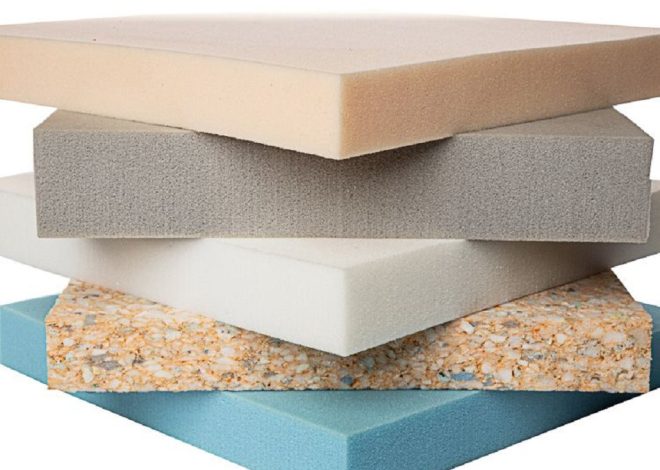
1. Polyurethane (PU) Foam
Polyurethane foam remains the most widely used cushioning material in furniture manufacturing.
Characteristics:
- Lightweight
- Flexible
- Cost-effective
- Available in multiple densities
Common Uses:
- Sofas and sectionals
- Dining chairs
- Headboards
- Mattresses
- Office seating
PU foam is adaptable and can be engineered for soft, medium, or firm comfort levels.
2. High-Resilience (HR) Foam
A premium variation of polyurethane foam designed for enhanced durability and elasticity.
Characteristics:
- Faster recovery rate
- Superior support
- Longer lifespan
- Better weight distribution
Common Uses:
- Premium seating
- Hospitality furniture
- Commercial spaces
- High-traffic areas
HR foam is often selected for contract furniture due to its performance under frequent use.
3. Memory Foam (Viscoelastic Foam)
Engineered to respond to body heat and pressure, memory foam conforms to body shape.
Characteristics:
- Pressure-relieving
- Body-contouring
- Motion isolation
Common Uses:
- Mattresses
- Recliners
- Luxury sofas
- Adjustable beds
Memory foam enhances comfort but requires proper ventilation design due to heat retention properties.
4. Latex Foam
Available in natural or synthetic forms, latex foam is known for resilience and breathability.
Characteristics:
- Durable
- Naturally elastic
- Hypoallergenic (natural latex)
- Eco-friendly positioning
Common Uses:
- Premium mattresses
- High-end seating
- Sustainable furniture collections
Natural latex appeals strongly to environmentally conscious markets.
5. Polyethylene (PE) Foam
A closed-cell foam offering strong resistance to moisture and chemicals.
Characteristics:
- Water-resistant
- Lightweight
- Firm structure
Common Uses:
- Outdoor cushions
- Packaging support
- Marine seating
6. Reticulated Foam (Dry Fast Foam)
Specialized open-cell foam engineered for outdoor environments.
Characteristics:
- Quick water drainage
- Mold and mildew resistance
- UV stability
Common Uses:
- Outdoor patio furniture
- Poolside seating
- Yacht and marine cushions
Reticulated foam is considered the industry standard for premium outdoor applications.
2️⃣ Foam Quality Standards & Performance Metrics
When evaluating foam quality, manufacturers and buyers consider:
Density
Measured in kg/m³, density determines durability.
- 18–22 kg/m³ → Basic residential use
- 23–28 kg/m³ → Mid-range
- 30+ kg/m³ → Premium & commercial
Higher density generally equals longer lifespan.
Indentation Load Deflection (ILD)
Measures firmness level.
- Low ILD → Softer foam
- High ILD → Firmer foam
Proper ILD ensures balanced comfort and structural integrity.
Compression Set Resistance
Indicates how well foam retains shape after prolonged use. High-quality foam should resist sagging.
Resilience & Recovery Rate
Good foam quickly regains shape after pressure release.
Fire Retardancy Compliance
Especially important for:
- Hospitality sector
- Public seating
- UK & US markets
Compliance standards vary by region.
3️⃣ Indoor Foam Applications
Indoor furniture foam prioritizes comfort, aesthetics, and long-term use.
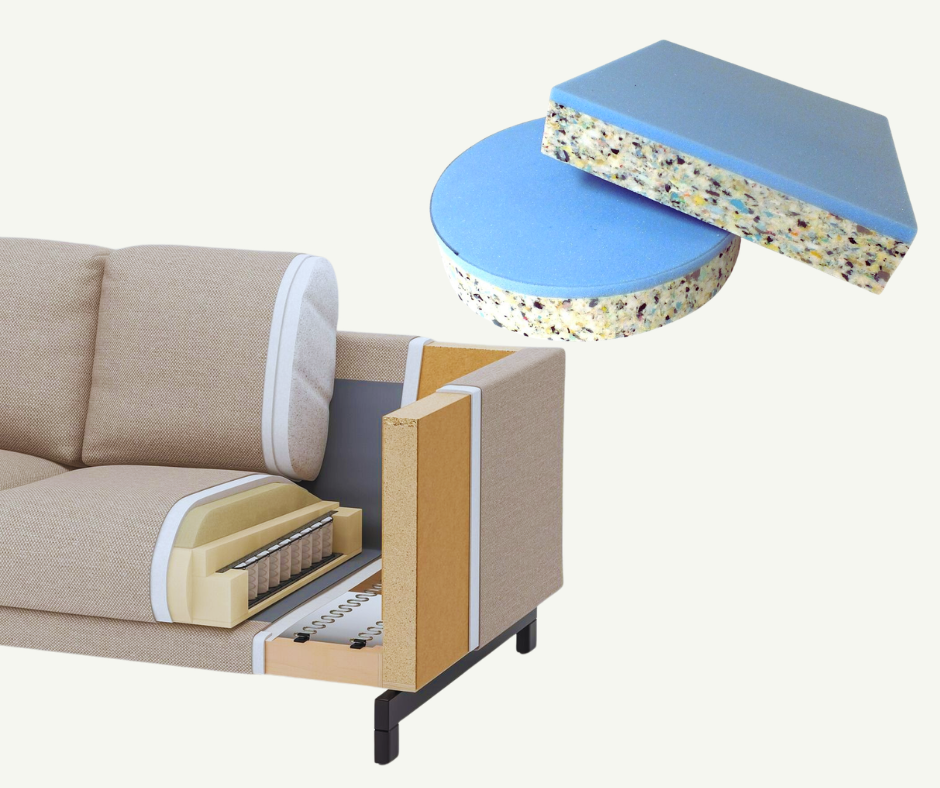
Living Room Furniture
- Multi-layer foam construction
- Combination of soft top layer + supportive base layer
- Memory foam integration for luxury segments
Office & Commercial Seating
- HR foam for durability
- Molded foam for ergonomic shaping
- Higher density for extended sitting hours
Mattresses
- Memory foam
- Latex
- Hybrid foam systems
Indoor foam should balance softness, breathability, and structural support.
4️⃣ Outdoor Foam Applications
Outdoor environments require specialized performance.
Key Challenges:
- Rain exposure
- Humidity
- UV rays
- Temperature fluctuations
Best Foam Choices for Outdoors:
✔ Reticulated (Dry Fast) Foam
✔ Closed-cell Polyethylene Foam
✔ UV-treated polyurethane foam
Outdoor foam must:
- Allow water drainage
- Resist mold growth
- Maintain structural integrity
- Avoid odor retention
Fabric pairing is equally critical. Outdoor foam is often combined with solution-dyed acrylic or water-resistant upholstery fabrics.
5️⃣ Sustainability & Environmental Considerations
As ESG and circular economy practices gain importance, foam manufacturers are:
- Developing bio-based polyurethane
- Incorporating recycled polyols
- Reducing VOC emissions
- Improving production efficiency
Certifications like CertiPUR and OEKO-TEX are becoming increasingly important in international markets.
6️⃣ Indoor vs Outdoor Foam: Key Differences
| Feature | Indoor Foam | Outdoor Foam |
| Water Resistance | Low to Moderate | High |
| UV Stability | Standard | Enhanced |
| Mold Resistance | Moderate | High |
| Breathability | Comfort-based | Drainage-focused |
| Density Focus | Comfort + Support | Durability + Moisture control |
7️⃣ Market Trends in Foam Usage
The foam segment is evolving with:
- Cooling gel-infused memory foam
- Smart foam integration
- Modular foam layers
- Sustainable bio-foam innovation
- Higher performance foam for compressed mattress systems
Both residential and commercial markets are demanding longer-lasting, eco-friendly, and performance-certified foam solutions.
8️⃣ Strategic Insight for Furniture Manufacturers & Buyers
Choosing the right foam is not merely a material decision—it is a strategic one. It affects:
✔ Product pricing
✔ Brand positioning
✔ Warranty claims
✔ Customer satisfaction
✔ Market competitiveness
For B2B buyers, understanding density, ILD, and compliance standards is essential before bulk procurement.
For retailers, foam quality directly influences return rates and customer reviews.
For hospitality buyers, durability and fire compliance remain top priorities.
Conclusion
Foam remains one of the most critical yet often underestimated components in furniture manufacturing. Whether for indoor comfort-driven seating or weather-resistant outdoor solutions, selecting the appropriate foam type ensures durability, performance, and customer trust.
As innovation continues and sustainability pressures reshape material sourcing, foam technology will remain central to the evolution of the global furniture industry.