The Role of Kitchen Cabinets & Wardrobes in Modern Homes: Where Functionality Meets Lifestyle
More Than Storage, They Define How We Live
In today’s evolving housing landscape, kitchen cabinets and wardrobes are no longer mere storage units. They are central to home functionality, interior aesthetics, sustainability, and even property valuation. As urban living spaces become more compact and homeowners increasingly seek personalization, these essential furniture components play a defining role in shaping how homes look, feel, and function.
From smart kitchens to bespoke wardrobes, the furniture industry is witnessing a major transformation—driven by lifestyle changes, technology integration, and a growing preference for organized, clutter-free living.
Kitchen Cabinets: The Backbone of Every Functional Home
1. Structural and Functional Importance
Kitchen cabinets form the core infrastructure of a kitchen. They determine workflow efficiency, accessibility, and hygiene. A well-planned cabinet layout supports the “kitchen work triangle” (sink, stove, refrigerator), ensuring seamless movement and reducing daily fatigue.
Modern cabinets are designed to:
- Maximize vertical and corner spaces
- Store cookware, appliances, and groceries systematically
- Support modular add-ons such as pull-out trays, spice racks, and soft-close drawers
2. Design and Aesthetic Influence
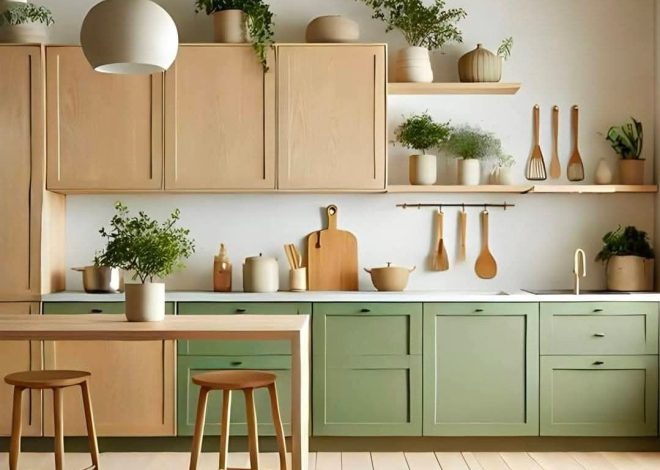
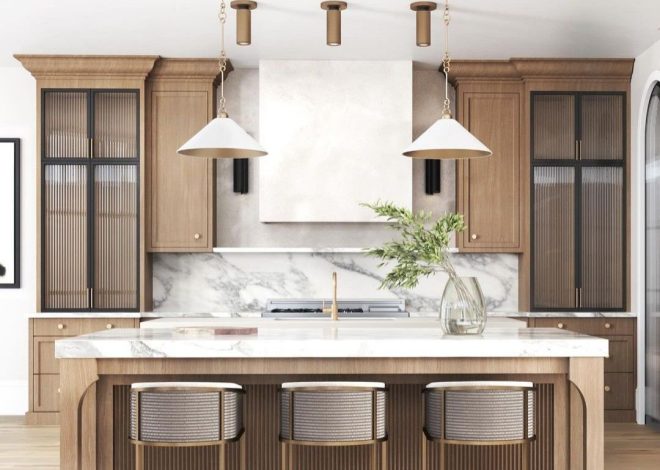
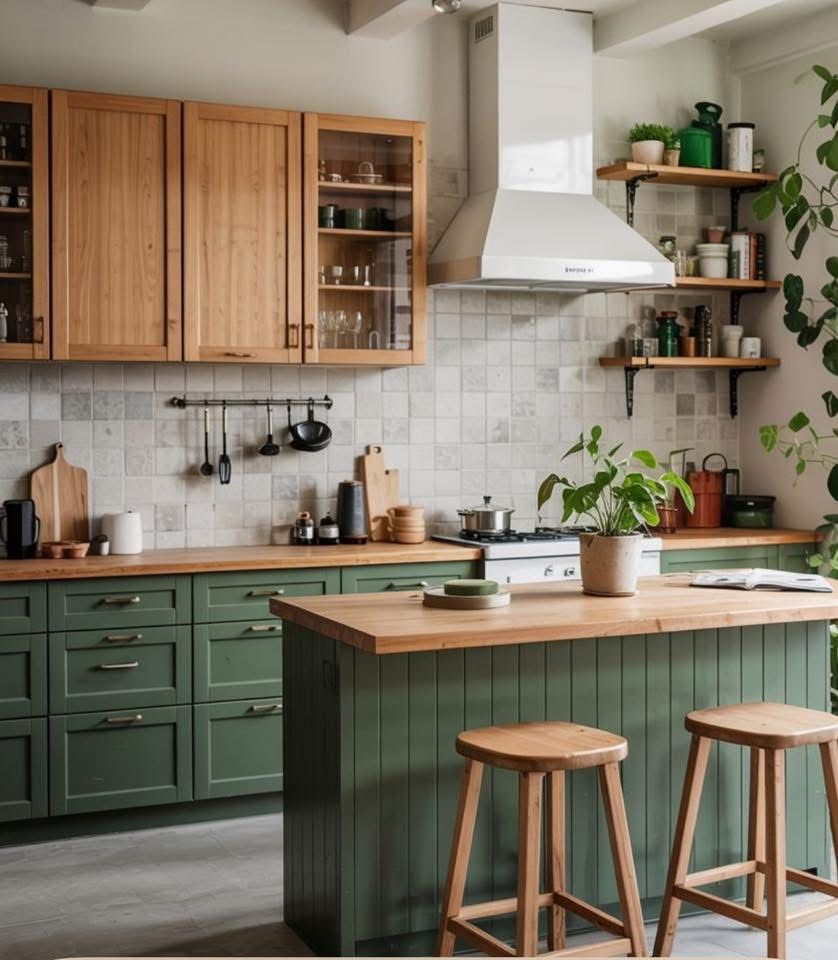
Cabinet finishes, colors, and textures set the visual tone of the kitchen. Whether it’s minimal matte laminates, natural wood grains, high-gloss acrylics, or classic shaker styles, cabinets define the kitchen’s personality.
Trending design elements include:
- Handle-less cabinets for a clean look
- Two-tone cabinetry for visual contrast
- Open shelving mixed with closed storage
- Integrated lighting inside cabinets
3. Smart Storage for Modern Lifestyles
With smart homes on the rise, kitchen cabinets are evolving into intelligent storage solutions. Sensor lighting, touch-open doors, modular customization, and appliance integration are becoming standard in premium homes.
These innovations help:
- Reduce clutter
- Improve accessibility for all age groups
- Enhance safety and cleanliness
Wardrobes: Personal Spaces That Reflect Identity
1. Beyond Clothes Storage
Wardrobes have transitioned from bulky cupboards to highly personalized lifestyle units. Today’s wardrobes accommodate clothing, accessories, documents, shoes, jewelry, and even work-from-home essentials.
Modern wardrobes often include:
- Custom compartments for seasonal wear
- Shoe drawers and pull-out organizers
- Mirror panels and dressing units
- Lockable storage for valuables
2. Space Optimization in Urban Homes
With shrinking apartment sizes, wardrobes play a crucial role in space efficiency. Sliding-door wardrobes, floor-to-ceiling installations, and corner units help homeowners utilize every inch without compromising aesthetics.
Smart wardrobe planning helps:
- Reduce bedroom clutter
- Create visual spaciousness
- Improve daily routines and time management
3. Emotional and Psychological Impact
An organized wardrobe contributes to mental clarity and daily efficiency. Well-designed wardrobes simplify mornings, reduce stress, and promote a sense of control and comfort—especially in fast-paced urban lifestyles.
Customization: The New Industry Standard
One-size-fits-all furniture is rapidly being replaced by custom and semi-custom solutions. Homeowners now demand furniture tailored to:
- Their lifestyle
- Family size
- Cultural habits
- Storage behavior
Cabinet and wardrobe manufacturers are responding with:
- Modular systems
- Made-to-measure designs
- Material and finish flexibility
- Personalized internal layouts
This shift has significantly boosted the role of interior designers, carpenters, and furniture brands in home planning decisions.
Sustainability and Material Innovation
Environmental awareness has pushed the furniture industry toward eco-friendly practices. Kitchen cabinets and wardrobes are increasingly manufactured using:
- FSC-certified wood
- Low-VOC boards and finishes
- Recyclable laminates
- Durable materials for longer product life
Sustainable cabinetry not only reduces environmental impact but also improves indoor air quality—an important factor for family health.
Impact on Property Value and Real Estate Decisions
In real estate markets worldwide, well-designed kitchens and wardrobes significantly influence buying decisions. Properties with modern cabinetry:
- Sell faster
- Command higher prices
- Appeal to both end-users and investors
Developers now highlight modular kitchens and fitted wardrobes as key selling points in residential projects.
The Business Perspective: A Growth Engine for the Furniture Industry
The rising importance of kitchen cabinets and wardrobes has made them one of the fastest-growing segments in the furniture industry. Growth is driven by:
- Urbanization
- Rising disposable incomes
- Home renovation trends
- Demand for premium and branded furniture
This segment also fuels allied industries such as:
- Hardware and fittings
- Interior design services
- Smart home technology
- Sustainable materials manufacturing
Conclusion: The Heart and Soul of Modern Living Spaces
Kitchen cabinets and wardrobes are no longer secondary furniture elements—they are central to modern living. They blend design, functionality, technology, and sustainability while directly impacting lifestyle quality and home value.
As homes evolve to meet contemporary needs, the role of these essential furniture components will only grow stronger, making them a cornerstone of the global furniture industry’s future.