Saw Dust & Wood Shavings: From Manufacturing By-Products to Valuable Resources in a Sustainable Economy
By Staff Reporter
In every sawmill, furniture factory, and wood-processing unit, two materials are produced in large volumes yet often overlooked: saw dust and wood shavings. Once treated merely as waste, these by-products of timber processing are now gaining renewed importance in the age of green manufacturing, circular economy practices, and sustainable resource management.
Across industries, saw dust and wood shavings are being redefined—not as disposal problems, but as valuable raw materials with economic, environmental, and industrial significance.
Understanding Saw Dust and Wood Shavings
What Is Saw Dust?
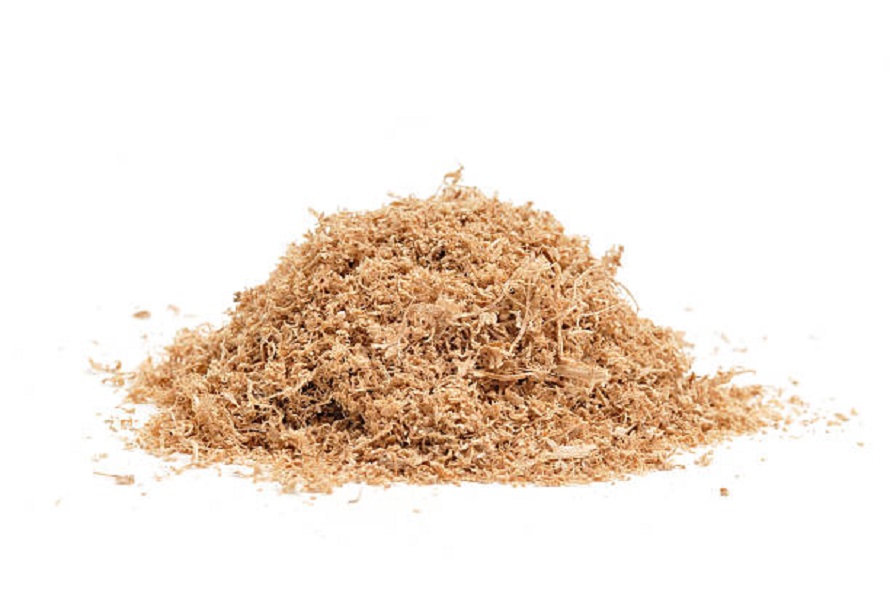
Saw dust consists of fine particles of wood produced when timber is cut, drilled, sanded, or machined. It is powdery in texture and commonly generated during sawing, milling, and sanding operations.
What Are Wood Shavings?
Wood shavings are larger, curled, or thin strips of wood produced during planing, shaping, or turning processes. Compared to saw dust, shavings are coarser, lighter, and more fibrous.
Both materials are inevitable by-products of wood processing, especially in industries such as:
- Furniture manufacturing
- Sawmilling and timber processing
- Plywood and panel board production
- Carpentry and joinery
- Construction material manufacturing
Scale of Generation in the Wood Industry
With the global expansion of timber-based industries, the volume of saw dust and wood shavings produced annually is substantial. In wood-intensive countries like Malaysia, Indonesia, Canada, and parts of Europe, these by-products account for a significant percentage of total wood output.
Traditionally, unmanaged accumulation posed challenges such as:
- Storage and handling issues
- Fire hazards
- Environmental pollution
- Disposal costs
However, modern manufacturing and sustainability frameworks are transforming how these materials are managed.
Role in Green Manufacturing and Circular Economy
In green manufacturing, waste is viewed as a resource in transition, and saw dust and wood shavings fit perfectly into circular economy models.
Key Sustainability Benefits
- Reduces landfill waste
- Maximizes raw material utilization
- Lowers dependency on virgin resources
- Decreases carbon footprint of manufacturing operations
By reintegrating these by-products into production cycles, manufacturers improve both environmental performance and operational efficiency.
Industrial Uses of Saw Dust
Saw dust has a wide range of commercial and industrial applications:
1. Biomass Energy and Fuel
Saw dust is widely used as:
- Biomass fuel in boilers
- Raw material for wood pellets and briquettes
- Renewable energy source for industrial heating
This reduces reliance on fossil fuels and supports low-carbon energy systems.
2. Panel Board and Engineered Wood Products
Saw dust is a key input in:
- Particle boards
- Medium-density fiberboard (MDF)
- Composite wood panels
These products are essential in furniture and interior construction industries.
3. Agriculture and Animal Bedding
In the agricultural sector, saw dust is used for:
- Livestock bedding
- Poultry litter
- Absorption of moisture and odors
It improves hygiene while being biodegradable and cost-effective.
4. Soil Improvement and Composting
When properly treated, saw dust can be:
- Added to compost to improve structure
- Used as mulch to retain soil moisture
- Applied in erosion control
Its use must be balanced to avoid nitrogen depletion in soil.
Industrial and Commercial Uses of Wood Shavings
Wood shavings, due to their larger size and lighter structure, serve slightly different purposes:
1. Packaging and Cushioning Material
Wood shavings are widely used as:
- Protective packaging for fragile goods
- Eco-friendly alternative to plastic fillers
They are biodegradable and reusable.
2. Animal Bedding
Wood shavings are preferred in:
- Horse stables
- Pet enclosures
- Poultry and livestock farms
Their structure provides comfort, insulation, and absorbency.
3. Decorative and Craft Applications
In craft and retail sectors, shavings are used for:
- Gift packaging
- Decorative displays
- Floristry and artisanal products
4. Compost and Landscaping
Wood shavings contribute to:
- Organic compost mixtures
- Landscaping mulch
- Pathway and garden ground cover
Environmental and Safety Considerations
Despite their value, saw dust and wood shavings must be handled responsibly.
Fire and Explosion Risks
Fine saw dust particles can be:
- Highly combustible
- Capable of causing dust explosions in enclosed environments
Proper ventilation, dust extraction systems, and safe storage are critical in factories.
Health Considerations
Prolonged exposure to airborne wood dust can affect respiratory health. Modern facilities mitigate this through:
- Dust collection systems
- Personal protective equipment (PPE)
- Compliance with occupational safety standards
Certified Wood and Sustainable By-Products
When saw dust and wood shavings originate from certified wood sources—such as PEFC- or MTCC-certified forests—their sustainability value increases further.
Certified by-products:
- Support responsible forest management
- Meet international sustainability standards
- Enhance ESG compliance for manufacturers
- Are preferred in export-oriented industries
This traceability strengthens confidence across the supply chain.
Economic Value for Manufacturers
What was once considered waste now represents a revenue opportunity.
Manufacturers benefit by:
- Selling saw dust and shavings to energy producers or board manufacturers
- Reducing waste disposal costs
- Using by-products internally for energy generation
- Strengthening sustainability credentials
In many factories, by-product management has become an integrated part of business strategy.
Innovation and the Future of Wood By-Products
Research and innovation are expanding the future uses of saw dust and wood shavings, including:
- Bio-based composites
- Sustainable insulation materials
- Eco-friendly building blocks
- Biochar production for carbon sequestration
These developments align with global goals for low-waste, low-carbon manufacturing.
Conclusion
Saw dust and wood shavings are no longer just remnants of timber processing—they are essential components of sustainable industrial ecosystems. As green manufacturing principles take hold and circular economy models mature, these wood by-products are proving their value across energy, agriculture, construction, and manufacturing sectors.
By managing saw dust and wood shavings responsibly—especially when sourced from certified forests—industries can reduce waste, improve efficiency, and contribute meaningfully to environmental sustainability. In the modern wood industry, nothing is truly wasted; it is simply reimagined and reused.