Malaysian Ringgit Hits Multi-Year High; Furniture Exporters Say Strong Currency Not Hitting Their Bottom Lines
Malaysia’s Furniture Industry Stays Competitive Despite Currency Gains
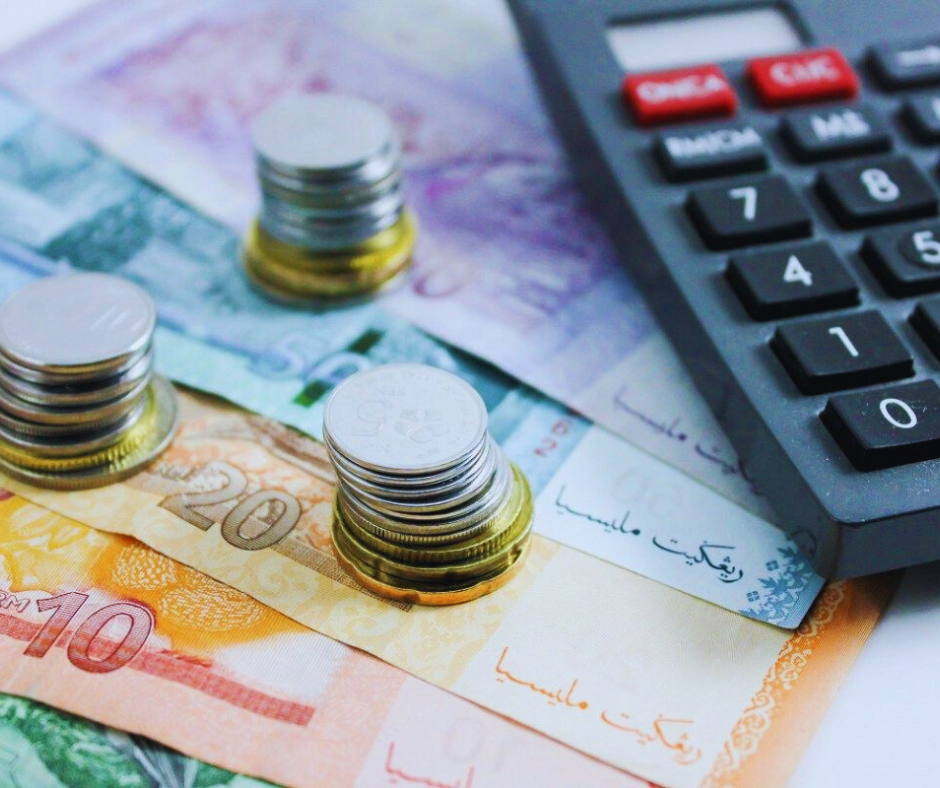
KUALA LUMPUR — The Malaysian ringgit strengthened sharply against the United States dollar this week, reaching its strongest level in more than seven years, but some local furniture exporters say the currency gains and US tariffs have yet to dent their business performance.
On Tuesday (Jan 27), the ringgit broke the 4.0 threshold against the US dollar, continuing its robust performance seen through 2025 and into early 2026. By Wednesday evening it had strengthened further, trading at around 3.9175 to the greenback, and was holding firm on Thursday. Analysts say the rally reflects both domestic economic fundamentals and broader shifts in global markets.
Despite the stronger ringgit typically making exports more expensive overseas, several Malaysian furniture makers told Channel NewsAsia that they have not yet felt negative effects. One company, Tong Sim Wood Industries, noted that US tariffs have provided a competitive edge over Chinese products, which face higher duties of at least 25 per cent compared with Malaysia’s 19 per cent rate.
Edmund Lim, managing director of Tong Sim, said the firm remained confident in competing in the United States as long as it maintains tariff advantages and benefits from Malaysia’s relatively lower production costs, particularly in labour and raw materials. He added that the recent strength in the ringgit has not noticeably affected the company’s profit margins so far.
The United States remains one of Malaysia’s top three export partners, and furniture manufacturers have been adapting to changes in trading conditions, including embracing technology to improve sustainability and compliance standards.
On the policy front, Malaysia’s government is reassessing the reciprocal tariff arrangement with the United States to ensure that the country’s economic interests and jobs tied to export industries are safeguarded. A formal cost-benefit analysis is expected to take several months, officials said.
Economists note that while exporters are coping with current currency and trade pressures, ongoing geopolitical tensions, especially between the US and China, continue to shape global trade dynamics and could introduce future challenges.
Q1. Does a stronger ringgit hurt Malaysian furniture exports?
No. Industry players say tariff advantages, cost efficiencies, and stable demand—especially from the US—have helped offset currency pressures.
Q2. Why are Malaysian furniture exporters still competitive in the US market?
Malaysia faces lower US tariffs than China, giving exporters a pricing advantage despite a stronger ringgit.
Q3. Is the US an important market for Malaysia’s furniture industry?
Yes. The US remains one of Malaysia’s top export destinations for furniture products.
Q4. What could impact Malaysia’s furniture exports in the future?
Potential changes in trade policies, global economic conditions, and geopolitical tensions could influence export performance.