Global Furniture Foam Market Forecast to Hit USD 79.37 Billion by 2030, Driven by Comfort Demand and Construction Growth
By The Furniture Times – Industry & Materials Desk
The global furniture foam market is on track for strong expansion over the next decade, with industry analysts projecting the sector to reach approximately USD 79.37 billion by 2030, registering a compound annual growth rate (CAGR) of around 5.3 percent during the period. This growth reflects rising demand for comfortable, durable and high-performance materials used across residential, commercial and hospitality furniture applications.
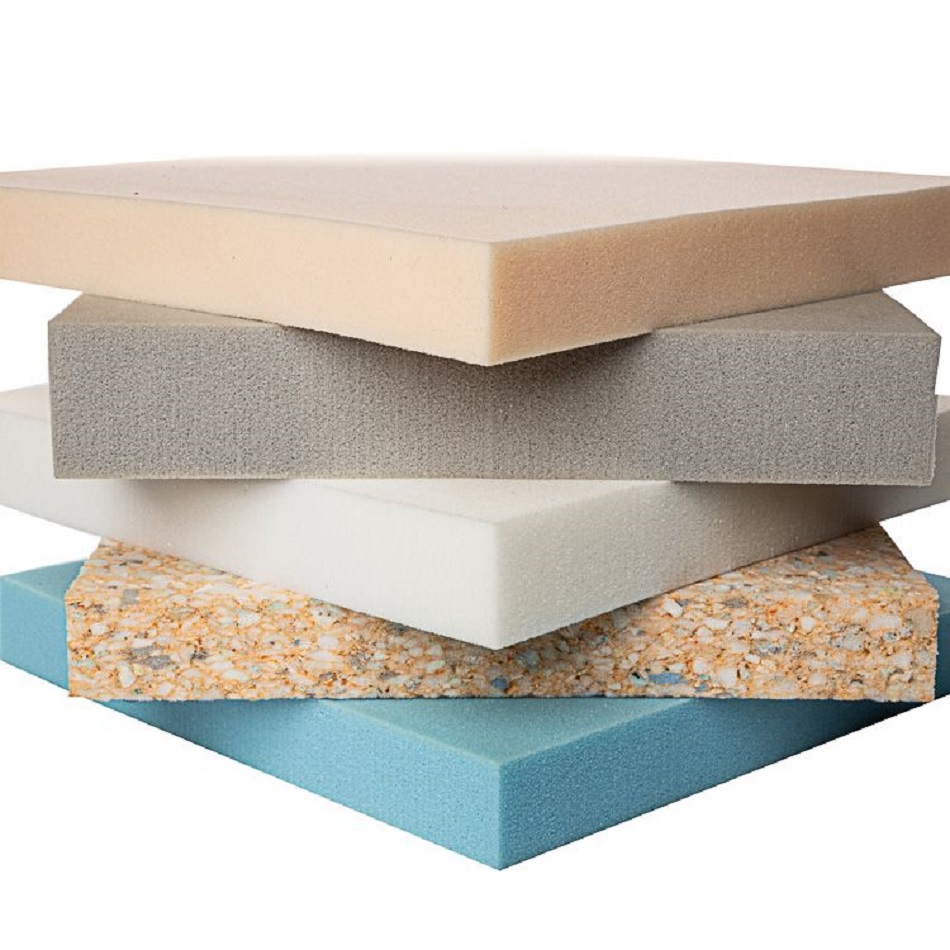
Furniture foam, a versatile material commonly used in upholstered chairs, sofas, beds, recliners and other seating products, plays a central role in enhancing comfort, support and durability in modern furniture designs. Foam materials are available in various types — including polyurethane foam, memory foam and latex foam — and are engineered to meet diverse customer preferences for density, firmness and longevity.
Market Growth & Key Drivers
The furniture foam market has demonstrated solid historical growth and is expected to continue that trajectory through 2030. Recent data suggest the market expanded from an estimated USD 60.94 billion in 2025 to around USD 64.48 billion in 2026 before accelerating toward the 2030 forecast.
Several key factors are fueling this growth:
- Urbanization and Residential Construction: Rising urban populations and homebuilding activity are increasing demand for upholstered furniture and seating that incorporate foam for comfort and support.
- Furniture Manufacturing Expansion: Growth in global furniture manufacturing — particularly in Asia-Pacific markets — is stimulating foam consumption as manufacturers seek materials that balance cost, durability, and comfort.
- Comfort & Customization Trends: Consumers are increasingly prioritizing comfort, ergonomic design and personalized seating solutions, driving adoption of high-density and memory foam products.
- Commercial & Hospitality Sector Demand: As offices, hotels and public spaces expand worldwide, demand for high-performance foam for commercial seating and bedding continues to rise.
Additionally, advancements in foam manufacturing technologies — including improved material formulations and sustainable production methods — are helping suppliers meet evolving market needs for both performance and environmental compatibility.
Applications & Material Innovation
Furniture foam is essential in products where comfort and resilience are priorities. Different foam types serve specific roles:
- Polyurethane Foam: Widely used for its adaptability and cushioning properties in sofas, chairs and beds.
- Memory Foam: Offers enhanced pressure relief and body conformance, popular in mattresses and premium seating.
- Latex Foam: Valued for natural resilience and breathability, appealing to environmentally-conscious consumers.
Moreover, manufacturers are increasingly integrating sustainable and recycled foam alternatives in response to consumer preferences and environmental considerations, broadening the market’s appeal and competitive landscape.
Regional Market Insights
The furniture foam market exhibits strong regional variation. Asia-Pacific remains a major hub for foam production and consumption due to rapid urbanization, manufacturing growth and rising disposable incomes. Markets such as China, India, Japan and South Korea are notable for both production scale and expanding demand from residential and commercial furniture sectors.
In North America and Europe, sustainability and ergonomic design trends are encouraging the adoption of advanced foam products, including memory and eco-friendly materials. These regions also benefit from strong furniture and interior markets, where performance specifications and consumer comfort are highly valued.
Industry Outlook
Looking ahead to 2030, the furniture foam market is poised to remain resilient despite challenges such as raw material price volatility and environmental impact considerations. Continued innovation, coupled with growth in residential construction and furniture consumption worldwide, suggests the market’s long-term robustness.
For furniture manufacturers, interiors brands, and materials suppliers, foam remains a critical material underpinning comfort, durability, and ergonomic performance — traits increasingly demanded by consumers and commercial buyers alike.
As sustainability and material science gains prominence, the furniture foam market is expected to adapt with eco-friendly alternatives and performance-enhanced products, reinforcing its integral role in global furniture and upholstery sectors.

Related Posts

Massive Blaze Guts Furniture Shops in Bachupally, Hyderabad — No Casualties Reported

Global Furniture Industry Roundup — Current Trends, Challenges, and Market Momentum (March 2026)