Ghana Ministries Partner to Produce School Supplies and Furniture Through Prison Service Initiative
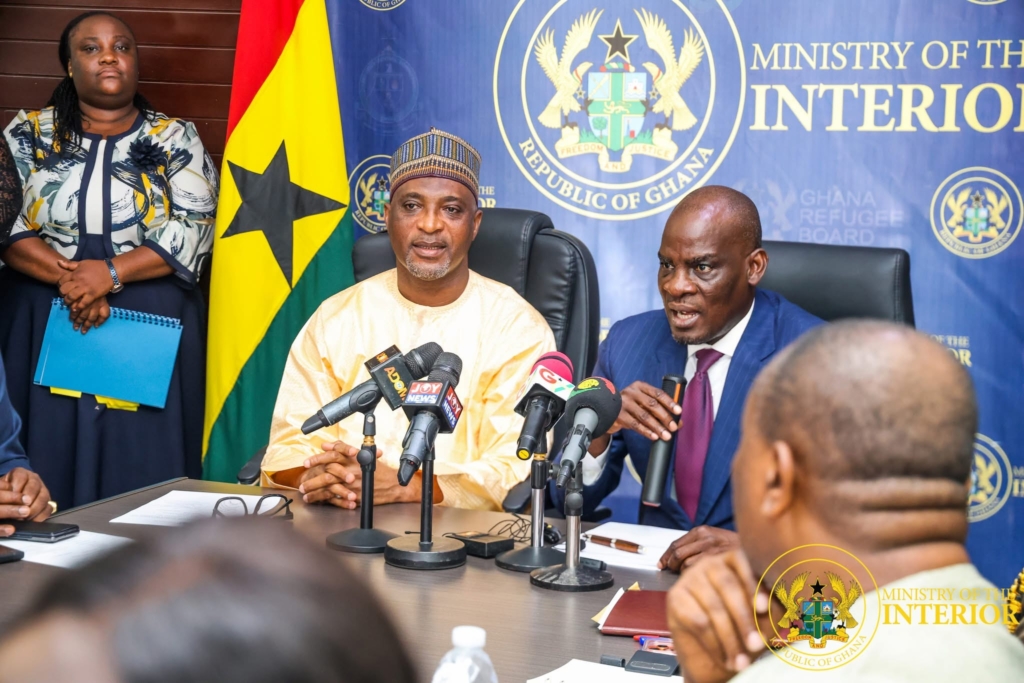
ACCRA, GHANA — In a development expected to impact both education and local industry, Ghana’s Ministry of the Interior and Ministry of Education have formalised an agreement enabling the Ghana Prisons Service to manufacture key educational supplies, including sanitary pads, school uniforms, and furniture for schools across the country. The Memorandum of Understanding (MoU) was signed on 14 January 2026 at the Ministry of the Interior in Accra.
The MoU forms part of a broader effort by the government to strengthen local production capabilities, ensure better value for public funds, and create meaningful opportunities for inmate rehabilitation and skills development. The initiative also responds to longstanding calls for increased domestic sourcing of essential products — particularly sanitary pads — to support school attendance and welfare.
Details of the Partnership
According to official statements, the MoU specifies that the Ghana Prisons Service will be responsible for producing and supplying a minimum of 30% of the following for Ghanaian schools:
- Sanitary pads for female students
- School uniforms
- Classroom furniture, including desks, chairs, and tables
The partnership aims to ensure that these supplies are produced locally, reducing dependency on imports while fostering quality assurance and timely delivery. A five-member implementation committee has been established to oversee the rollout and effectiveness of the programme.
Government Goals: Local Production & Value for Money
The Ministers leading the agreement emphasised that the MoU aligns with national priorities, including:
- Enhancing local manufacturing capacity
- Achieving cost-effective public procurement
- Providing vocational training and employment skills for inmates
- Supporting the education sector with reliable supplies
The Interior Minister, Muntaka Mohammed-Mubarak, described the policy as a deliberate decision placing education at the centre of national development, while commending the Ghana Prisons Service for engaging in expanded developmental roles beyond its traditional remit.
Education Minister Haruna Iddrisu added that the move redefines the role of the Prisons Service by integrating it into the education value chain, contributing directly to student welfare and national socioeconomic objectives.
Focus on Sanitary Pads & School Attendance
Access to sanitary pads has been a public policy focus in Ghana for years, with previous government directives mandating local procurement for schoolgirls to ensure participation and attendance. In 2025, Education officials announced that sanitary pads for free distribution would be sourced locally, with plans to encourage domestic production facilities nationwide.
This new MoU builds on those efforts by harnessing prison-based manufacturing capacity, potentially producing millions of pads annually and ensuring students have essential hygiene support without supply disruptions.
Impact on Inmates: Skills, Rehabilitation & Reintegration
One of the notable aspects of this programme is its potential to support inmate rehabilitation. By engaging prisoners in productive work such as sewing uniforms or crafting furniture, the initiative offers opportunities for meaningful skill acquisition and future employability upon release. Programs like this have been cited by officials as a way to improve post-release prospects and reduce recidivism, while instilling a sense of contribution and dignity among inmates.
Officials have also indicated that inmates displaying good behavior and progress in rehabilitation programs might access incentives, including possible sentence reductions — though details on such measures are still being developed.
Economic & Social Implications
The agreement arrives at a time when the Ghanaian government is actively promoting local production across sectors and strengthening domestic value chains. By moving production of school supplies — including furniture — into local hands, officials hope to create jobs, reduce import liabilities, and reinforce quality control.
The focus on sanitary products also resonates with broader public health and education initiatives, aimed at reducing absenteeism among female students by ensuring consistent access to menstrual hygiene essentials without financial barriers.

Related Posts

Mexico Furniture Market Expected to Surpass $15.8 Billion by 2034 as Demand for Modern Living Spaces Grows
Haverty Furniture Companies, Inc. to Participate in Major Global Investor Conferences in 2026