Furniture Trends Reflect Shifting Priorities in New Zealand Interior Design
By Staff Reporter, Wellington
As homeowners and designers rethink how living spaces support daily life in 2026, the furniture industry in New Zealand is responding to evolving tastes, practical needs, and broader cultural shifts. From multi-functional, comfort-centric pieces to a renewed appreciation for craftsmanship and natural materials, the latest home furniture trends reflect deeper changes in how Kiwis want to live, work and interact with their interiors.
The Furniture Times keeps you updated with the latest in furniture news and market developments.
Comfort and Functionality Take Center Stage
One of the most notable shifts in interior design this year is the emphasis on comfort and functionality. As people spend more time at home — whether working remotely, relaxing with family, or hosting social gatherings — furniture that supports multiple activities without sacrificing style is in high demand.
Designers and consumers alike are favouring:
- Curved sofas and sculptural seating that offer comfort while creating relaxed social hubs.
- Modular units and multi-purpose furniture, such as convertible sofas, storage beds and expandable dining tables.
- Flexible storage solutions that blend aesthetic appeal with practical organisation — particularly for entertainment areas and open-plan living spaces.
This trend mirrors broader industry observations that homeowners increasingly prefer furniture that enhances everyday life and supports fluid, adaptable living spaces rather than pieces that serve a single purpose.
Natural Materials and Tactile Textures Resonate with Buyers
Sustainability and a connection to nature continue to shape design decisions. Across New Zealand and beyond, there is renewed interest in furniture made from authentic, tactile materials such as:
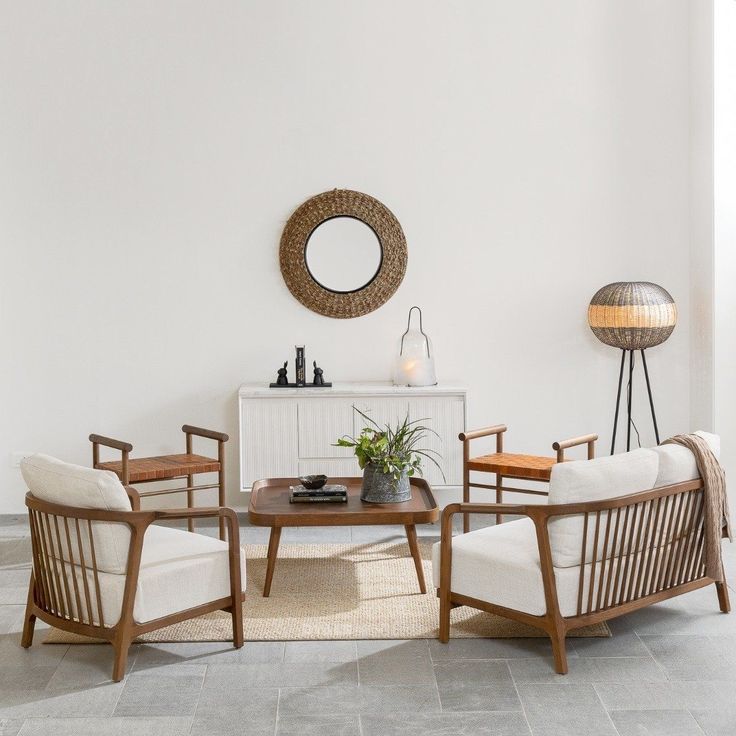
- Solid wood with visible grain and character
- Cane and woven fibres that add warmth and artisanal texture
- Natural textiles like wool, linen and hand-woven fabrics
These materials not only provide a sense of grounding and calm but also align with eco-aware consumer values. Designers note that furniture crafted from responsibly sourced timber or materials with a natural finish feels more timeless — encouraging longer use and reduced turnover of furniture pieces.
Curves, Sculptural Forms and Organic Silhouettes
2026 interiors are moving away from rigid, box-like furniture toward softer, more organic shapes. Curved sofas, rounded coffee tables, and sculptural storage pieces continue to rise in popularity, reflecting a broader desire for spaces that feel inviting and intuitive rather than stark or industrial.
These forms create visual flow in a room, enhancing comfort and promoting an atmosphere that supports relaxation and social connection — qualities particularly valued in family homes and communal living areas.
Colour and Material Layering for Personal Expression
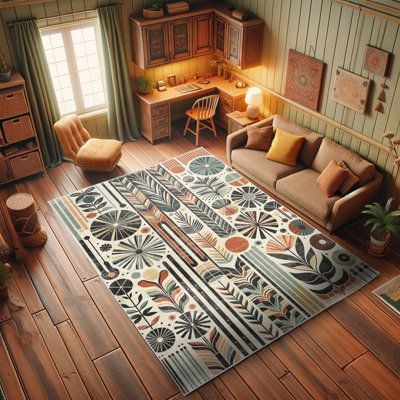
While neutrals remain a foundation of contemporary interiors, colour experimentation is gaining traction. Executed thoughtfully, deep hues like indigo, muted greens and earth tones help define spaces and deepen visual interest without overwhelming calm interiors.
Layering materials with complementary textures — from matte stone tabletops to soft boucle upholstery and warm wood finishes — adds depth and emotion to furniture arrangements while allowing homeowners to express individuality.
Comfort-First Living Reflects Changing Priorities
Homeowners are increasingly prioritising comfort, well-being and emotional resonance over strictly aesthetic considerations. This shift is visible in everything from the popularity of oversized lounge seating to the inclusion of dedicated relaxation corners with soft seating, loungers or even indoor swings that support leisure and decompression.
Designers highlight that 2026 interiors are less about impressing guests and more about creating sanctuaries — spaces that enhance daily life, support rest, and adapt to changing needs.
Work-From-Home Furniture Evolution
Even as some offices reopen, remote work remains prevalent in New Zealand, influencing furniture preferences. As a result:
- Adjustable desks and ergonomic chairs are now commonplace in home offices
- Seating prioritises long-term comfort without sacrificing aesthetic quality
- Storage integrates discrete organisation with design harmony
These trends underline that furniture must now support productivity as well as lifestyle enjoyment — without feeling utilitarian or out of place in the home’s overall design.
Sustainability and Long-Term Value
Across the entire furniture spectrum, sustainability continues to be a defining factor. New Zealand consumers and designers increasingly look for:
- Durable furniture made to last, reducing waste and supporting long-term value
- Pieces crafted with environmentally responsible materials
- Design choices that prioritise quality and emotional connection rather than short-term fashion
This approach reflects a shift toward mindful consumption, where furniture choices are seen as investments in lifestyle quality, not just décor trends.
Looking Ahead: Interiors That Support Life’s Rhythms
In 2026, the home is more than a place to live — it is a hub for daily routines, emotional well-being, social connection and personal expression. Furniture trends in New Zealand mirror these changing priorities, stressing comfort, sustainability, versatility and timeless design.
From curved sofas and organic materials to flexible, multi-functional storage solutions, today’s furniture choices are deeply intertwined with how people envision their lives — from morning routines to family gatherings, creativity, work and rest.
As the industry continues to evolve, furniture makers and designers are responding with collections that balance aesthetic appeal, practical functionality and emotional resonance, shaping interiors that feel both personal and purposeful.