Compressed Mattresses—A New Trend in Sleep Comfort and Smart Living
By The Furniture Times – Sleep & Home Innovation Desk
In the evolving lands cape of home goods and sleep solutions, compressed mattresses have emerged as one of the fastest-growing segments, capturing both consumer interest and commercial demand. Once a niche product associated mainly with online mattress brands, compressed mattresses are now shaping the broader bedding and sleep industry — driven by space-saving convenience, affordability, logistical efficiency, and durability. These qualities are making the category attractive to B2B buyers, retailers, designers, hospitality buyers, and direct-to-consumer (D2C) customers alike.
What Are Compressed Mattresses?
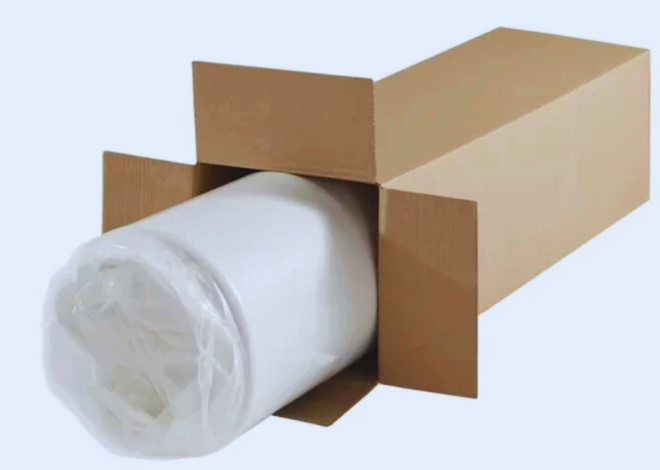
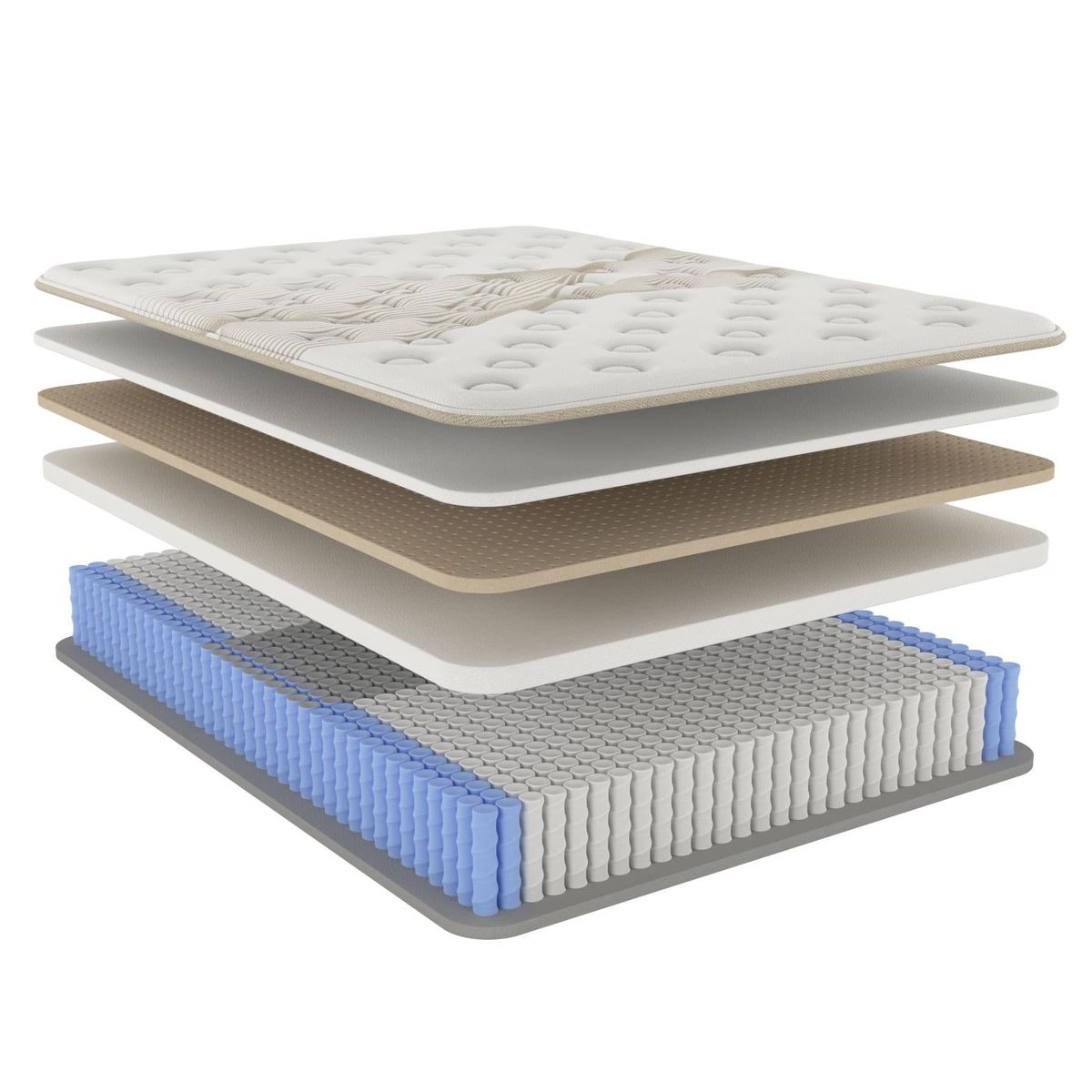
Compressed mattresses — also known as bed-in-a-box mattresses — are typically constructed from foam, memory foam, latex, or hybrid layers that are rolled, folded, or vacuum-sealed and packed into compact boxes. Upon unpacking and unrestrained from compression, the mattress expands to its full size.
This innovation in mattress packaging has enabled:
- Simplified logistics
- Lower shipping and handling costs
- Greater warehouse efficiency
- Easier home delivery and setup
This transformation from traditional mattress delivery models is reshaping how people buy, store, and install mattresses.
A Growing Market Trend
Market data and industry watchers report robust growth in compressed mattress sales globally — a trend propelled by e-commerce penetration, urban living dynamics, and changing consumer behaviour post-pandemic.
Key growth drivers include:
Urbanization & Small-Space Living
Compressed mattresses appeal strongly to apartment dwellers and young households in urban areas where space is at a premium. Being compact until unpacked, they are ideal for:
- Apartments
- Condominiums
- Student housing
- Modular living spaces
Affordability & Value Proposition
Compared with traditional mattresses that incur higher manufacturing and delivery costs, compressed mattresses are generally more cost-competitive, offering:
- Lower retail prices
- Free or low-cost delivery
- Risk-free trials
- Warranty and return programs
This affordability resonates with price-sensitive consumers while giving brands a way to offer premium comfort at lower entry cost.
Logistics & Ease of Transport
One of the most disruptive advantages of compressed mattresses is logistics efficiency:
- Can be shipped through standard parcel services
- Requires less storage space in warehouses
- Improves last-mile delivery speed
- Reduces carbon emissions from transport due to compact packaging
This makes compressed mattresses particularly appealing to B2B partners such as:
- Furniture retailers
- E-commerce platforms
- Boutique hotels
- Serviced apartment operators
- Corporate housing providers
Benefits That Propel Adoption
Space Saving
Compressed mattresses significantly optimise:
- Retail storage
- Inventory handling
- Small apartment setups
This translates into lower operational costs and improved customer satisfaction.
Quick Setup & Customer Convenience
Consumers unbox, unroll, and watch the mattress expand within hours, eliminating the need for bulky door-to-door delivery teams or complicated assembly.
Targeted Innovation
Brands are increasingly incorporating:
- Multi-layer comfort systems
- Cooling gel foams
- Zoned support
- Edge-to-edge reinforcement
These features make compressed mattresses competitive with traditionally made mattresses in comfort and lifespan — but at a lower total cost of ownership.
B2B and D2C Appeal
B2B: Retailers, Hotels, and Property Developers
For B2B buyers, compressed mattresses represent a logistical advantage and business opportunity:
- Retailers can reduce inventory footprint while delivering competitive pricing.
- Hospitality buyers (hotels, resorts, serviced apartments) benefit from bulk cost savings, easy replacement cycles, and storage efficiency.
- Developers and contractors can include mattresses in furnishing packages without complex delivery logistics.
Large retailers are now incorporating compressed mattresses into their product assortments alongside traditional innerspring and hybrid options.
D2C: Direct Consumer Benefits
Consumers are attracted to compressed mattresses because they:
- Can be shipped directly to their doorstep
- Are easy to move and handle
- Often come with sleep trials (100-night returns)
- Include warranties comparable to traditional mattresses
These factors build trust and reduce the friction traditionally associated with mattress purchases.
Global Adoption & Regional Trends
🇺🇸 North America
Home to many early adopters of bed-in-a-box mattresses, the U.S. remains a major market, with both established brands and new entrants innovating in design and customer experience.
🇪🇺 Europe
European markets show rising demand, particularly in urban markets like London, Amsterdam, and Berlin, where space constraints and e-commerce adoption are high.
🇦🇺 Australia & APAC
Compressed mattresses are gaining traction in cities where delivery logistics are challenging and overseas furniture imports are common.
Sustainability & Circular Considerations
While compressed mattresses offer logistical and cost benefits, sustainability is an emerging focus:
- Recyclable packaging
- Foam recycling programs
- Carbon-offset delivery options
Brands emphasizing eco-friendly materials and circular programs are gaining attention from environmentally conscious buyers and institutional purchasers.
What Industry Stakeholders Are Saying
Executives and analysts note that compressed mattresses are no longer a fad — they represent a structural shift in how mattresses are manufactured, shipped, and consumed.
“The adoption of compressed mattresses has fundamentally changed delivery economics and customer expectations,” says a senior retail analyst.
“They allow furniture brands to optimize inventory, reduce costs, and meet customers where they are — online and in small urban spaces.”
Conclusion: A Strategic Sleep Solution
The rise of compressed mattresses reflects broader shifts in the furniture and interior industries toward smarter, more efficient, and customer-centric models. Their convergence of affordability, space savings, ease of transport, and growing variety makes them a compelling choice for both B2B buyers and direct consumers.
As technology, materials science, and design continue to evolve, compressed mattresses are poised to become a standard category in home furnishings worldwide.