
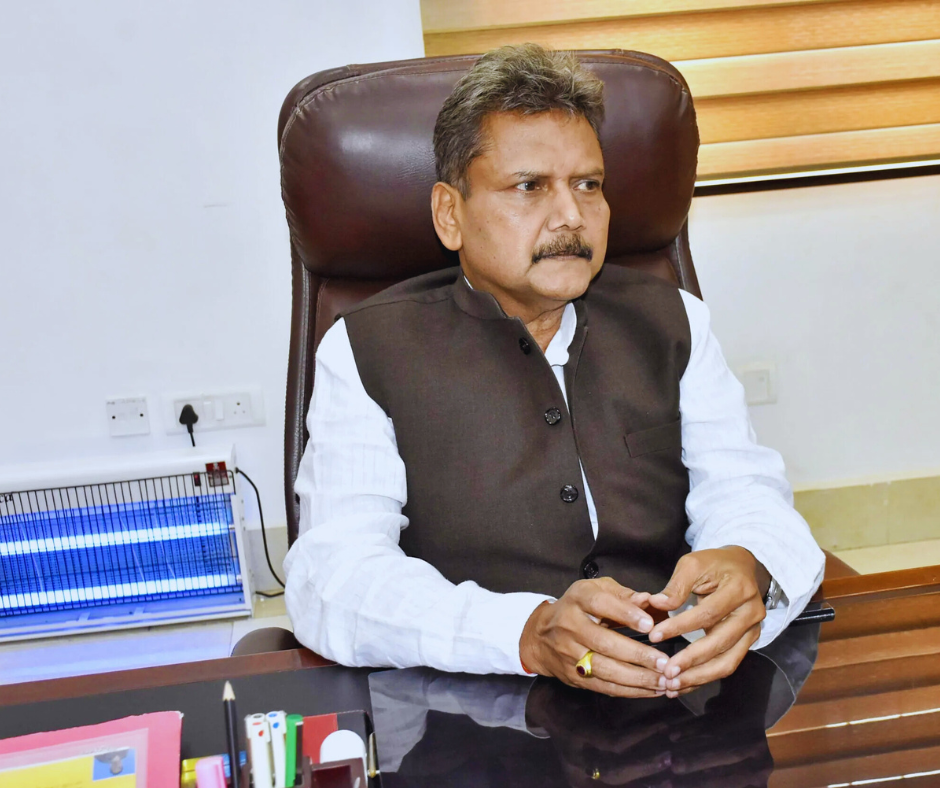
Bihar Education Minister Vows Action Amid School Furniture Anomalies, Pledges Reforms for Better Learning Environment
By The Furniture Times – Education Watch Desk
PATNA, Bihar — Bihar’s Education Minister has pledged to take decisive action against alleged irregularities in the procurement and distribution of furniture to government schools, following recent reports highlighting discrepancies in quality, pricing and delivery of basic classroom furnishings. The Minister’s commitment underscores growing concerns about transparency, accountability and resource utilisation within the state’s education system.
The announcement comes in the wake of media coverage alleging that furniture supplied to certain government schools was of substandard quality and involved inflated pricing, raising questions about procurement processes and oversight mechanisms. In a public statement, the Education Minister underscored that such anomalies cannot be tolerated, especially when they affect students’ learning conditions and taxpayers’ funds.
“This issue deserves strict scrutiny and, where culpability is established, firm corrective measures will be taken,” the Minister told reporters in Patna. He noted that the government has already initiated preliminary reviews of procurement records and distribution logs and intends to launch a full investigation in cooperation with relevant audit authorities.
Problems in School Infrastructure Come Under Spotlight
The furniture irregularities have brought renewed focus on the larger state of government school infrastructure in Bihar, where basic facilities such as desks, benches, drinking water, toilets and boundary walls have at times lagged behind expectations. Recent policy directives from the Education Department prioritize addressing such gaps within stipulated time frames, to ensure schools offer minimum viable learning environments conducive to student growth.
Critics of the current system argue that procurement anomalies are symptomatic of deeper structural challenges. In some districts, student attendance and classroom participation remain inconsistent due to infrastructural shortfalls, prompting official assessments to prioritise facilities upgrades and more efficient resource allocation. Other cases across India have highlighted similar issues, including delayed desk procurement or benches not meeting classroom requirements.
Government Response and Investigative Action
To ensure accountability and restore public trust, the Education Minister announced plans to form an inter-departmental task force that will review all procurement contracts and financial records related to furniture supplies over the past several years. The task force will work with the state’s vigilance department and may initiate legal action against suppliers or officials found in violation of procurement rules.
Officials say they will also strengthen internal monitoring systems and implement digital tracking of orders, deliveries and payments to minimise future anomalies. This could include online tender publication, real-time delivery verification, and tighter audit trails to guarantee that every rupee spent on school infrastructure yields tangible outcomes for students.
Reactions from Educators and Community Leaders
Educators and parent-teacher associations have welcomed the Minister’s commitment but urged swift implementation. “Furniture may seem basic, but it’s fundamental to a child’s day-to-day learning experience,” said one school administrator in Patna. “Students deserve proper desks and seating that support their health, focus and productivity.”
Parents also noted that transparent reforms in procurement practices would go a long way toward improving confidence in the state’s educational governance, and they hope the initiative will extend beyond furniture to address broader quality concerns in government schools.
Looking Ahead
As the government moves forward with its investigation and reform plans, the education community will be watching closely for outcomes that not only correct past errors but also establish stronger frameworks for transparency and quality assurance in school infrastructure provisioning.
For students, equitable access to functional classroom furniture is more than a comfort issue — it is a foundational part of equality in education that shapes learning experiences and academic success.

Related Posts

Massive Blaze Guts Furniture Shops in Bachupally, Hyderabad — No Casualties Reported

Global Furniture Industry Roundup — Current Trends, Challenges, and Market Momentum (March 2026)