B2B Buyer’s Guide for Compressed Mattresses
Strategic Sourcing Manual for Retailers, Importers, Hospitality Groups & E-commerce Brands
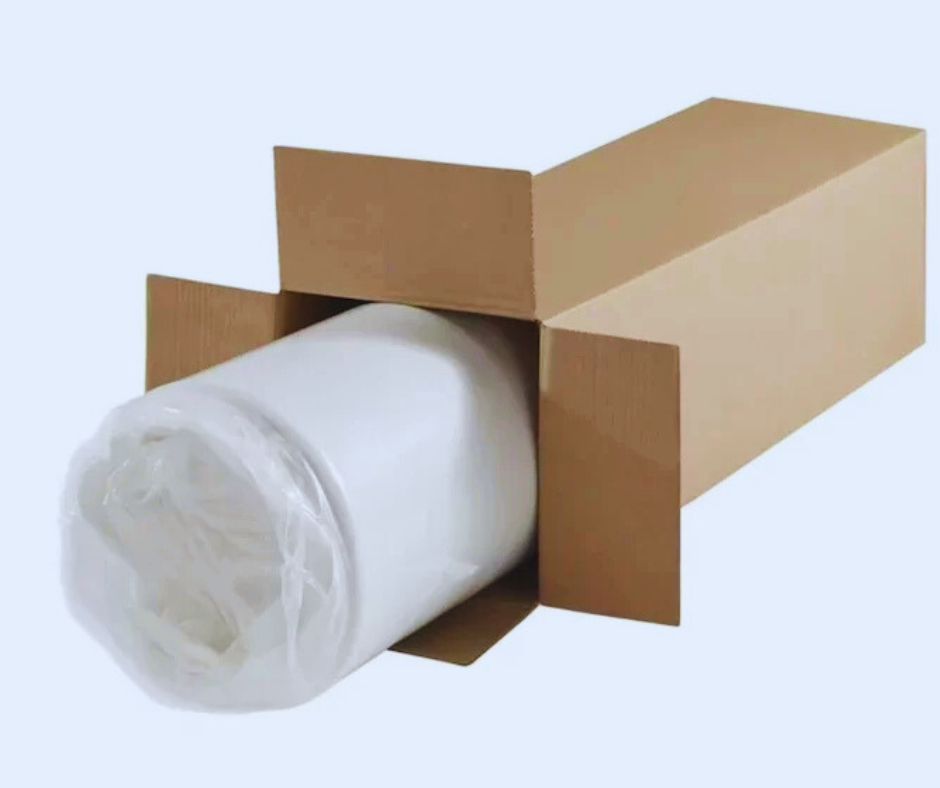
Compressed mattresses—also known as mattress-in-a-box products—have evolved from a D2C disruptor category into a serious B2B procurement opportunity. For wholesalers, distributors, furniture retailers, hospitality buyers, and private-label brands, compressed mattresses offer supply chain efficiency, margin flexibility, and global scalability.
This guide outlines everything B2B buyers need to evaluate before sourcing.
1. Why Compressed Mattresses Are a Strong B2B Category
1. Logistics Efficiency
- 50–70% reduced shipping volume
- Lower container freight costs
- Easier warehouse handling
- Reduced last-mile delivery damage
- Ideal for e-commerce fulfillment
A standard 40HQ container can load significantly more compressed units compared to flat mattresses, improving landed cost per piece.
2. Growing Consumer Demand
- Urban living & smaller apartments
- Online-first buying behavior
- DIY setup preference
- Demand for affordable luxury sleep products
3. Higher Margin Potential
- Lower freight = improved margin buffer
- Flexible private label pricing
- Tiered SKU strategy (budget to premium)
- Bundling with bed frames and bedroom sets
2. Types of Compressed Mattresses for Wholesale Buyers
A. Memory Foam Mattresses
Best for:
- E-commerce brands
- Mid-range retail
- Student housing
- Budget hospitality
Advantages:
- Lightweight
- Strong compression recovery
- Easy branding
B. Hybrid Mattresses (Foam + Pocket Spring)
Best for:
- Premium retail
- Hospitality chains
- Export markets
- Branded showrooms
Advantages:
- Better airflow
- Higher perceived value
- Strong edge support
- Improved durability
C. Latex Compressed Mattresses
Best for:
- Sustainable brands
- Eco-conscious markets (Europe, Australia)
- High-end consumers
Advantages:
- Natural positioning
- Durable
- Premium pricing capability
3. Technical Specifications Buyers Must Evaluate
1. Foam Density
- 18–22 kg/m³ → Budget
- 23–28 kg/m³ → Mid-range
- 30+ kg/m³ → Premium
Higher density = better durability.
2. Compression Recovery Time
- Standard: 24–72 hours
- High-quality foam recovers fully within 24 hours
Test samples before bulk order.
3. Coil Count (Hybrid)
- 600–800 → Entry
- 800–1000 → Mid-tier
- 1000+ → Premium
4. Certifications
Essential for exports:
- CertiPUR-US (foam safety)
- OEKO-TEX (fabric safety)
- ISO quality systems
- FR compliance (UK/US regulations)
5. Fire Retardancy Compliance
Especially critical for:
- UK
- USA (CFR 1633)
- Hospitality sector
4. Private Label & Customization Options
Most manufacturers offer:
- Custom firmness (soft/medium/firm)
- Custom quilting patterns
- Brand logo embroidery
- Private packaging design
- Mattress height (6”–14”)
- Custom carton printing
- QR code warranty integration
MOQ typically ranges from:
- 100–300 pieces per size for OEM
- 500+ units for fully customized models
5. Cost Structure Breakdown (B2B Insight)
Key cost drivers:
- Foam density
- Thickness
- Spring system (if hybrid)
- Fabric quality
- Certifications
- Freight (FOB vs CIF)
Buyers should calculate:
✔ Landed cost
✔ Warehousing cost
✔ Return handling risk
✔ Warranty liability
✔ Marketing cost
6. Regional Buying Strategy
Asia & ASEAN
- High demand for affordable models
- Compact urban living
- E-commerce growth strong
Middle East
- Preference for thicker, luxury-feel mattresses
- Hospitality and serviced apartments driving demand
Europe
- Sustainability & certifications mandatory
- Demand for latex and eco foam
- Strict compliance standards
North America
- Highly competitive
- Branding and reviews critical
- Strong D2C competition
7. Hospitality & Institutional Buyers Checklist
For hotels, serviced apartments, and student housing:
✔ Edge support durability
✔ Sag resistance
✔ 7–10 year warranty
✔ Fire regulation compliance
✔ Bulk order pricing
✔ Replacement cycle planning
Hybrid compressed mattresses are increasingly preferred for boutique and mid-tier hotels.
8. Warehouse & Inventory Advantages
Compressed mattresses:
- Stack efficiently
- Lower storage cost per unit
- Easier inventory turnover
- Suitable for just-in-time retail supply
Retailers can:
- Display one sample
- Deliver boxed units directly
- Reduce showroom floor space
9. Risk Factors to Watch
- Over-compression affecting foam integrity
- Poor recovery rate
- Cheap low-density foam
- Weak packaging causing vacuum seal damage
- Inadequate warranty coverage
- Lack of testing documentation
Always:
- Order samples
- Conduct drop tests
- Test expansion performance
- Verify compliance documents
10. Future Outlook for B2B Buyers
Market trends suggest:
- Smart mattresses integration (cooling gels, sensors)
- Eco-friendly foam development
- More automation in roll-packing
- Growth in private-label mattress brands
- Expansion of cross-border mattress e-commerce
Compressed mattresses are no longer just a startup category—they are becoming a mainstream B2B sleep solution.
Strategic Takeaway for Furniture & Bedding Buyers
Compressed mattresses offer:
✔ Lower logistics cost
✔ Higher margin flexibility
✔ Scalability for online and offline retail
✔ Customization opportunities
✔ Strong global demand
For furniture retailers, distributors, and hospitality groups, this segment represents one of the fastest-growing bedding categories in global trade.

Related Posts

Mexico Furniture Market Expected to Surpass $15.8 Billion by 2034 as Demand for Modern Living Spaces Grows

Haverty Furniture Companies, Inc. to Participate in Major Global Investor Conferences in 2026