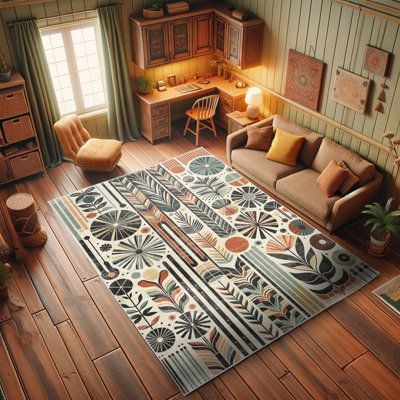
The Global Furniture Industry: A Tapestry of Craftsmanship, Culture, and Innovation
By The Furniture Times Editorial Team
The global furniture industry stands today as a remarkable blend of artistry, culture, and innovation — a sector that has evolved from ancient craftsmanship into a symbol of modern design excellence. From the hand-carved wooden masterpieces of Asia to the sleek, minimalist furniture found in European homes, the world’s furniture reflects both the diversity of global cultures and the shared human desire for beauty and comfort.
Historical Foundations: From Utility to Art
The story of furniture traces back to early civilizations, where primitive tools were used to shape stone and wood into simple, practical items. Over centuries, as societies flourished, furniture became more than a necessity — it transformed into a reflection of status, taste, and culture. Ancient Egyptians crafted elaborate chairs and beds adorned with carvings and gold leaf, while Greek and Roman artisans emphasized comfort and design symmetry. Each era added a new layer to furniture’s ongoing narrative of creativity and craftsmanship.
Cultural Identity and Craftsmanship
Few industries celebrate cultural diversity like furniture making. Across continents, distinct traditions shape materials, motifs, and styles. Scandinavian designs are praised for their clean lines, minimalism, and functionality. Indian furniture, in contrast, bursts with intricate carvings, bold colors, and heritage-rich patterns. In China, harmony and balance dominate traditional designs, while Italian craftsmanship remains synonymous with luxury and refinement. Together, these influences create a global mosaic where design becomes a language of cultural expression.
Innovation Meets Sustainability
The 21st century has ushered in a new era for furniture — one defined by sustainability and smart innovation. Eco-friendly materials, such as reclaimed wood and recycled composites, have become central to modern manufacturing. Designers are prioritizing sustainability not only in materials but also in processes — reducing waste and carbon footprints while maintaining aesthetic excellence.
Technology is reshaping the industry too. Smart furniture now integrates digital convenience into daily life, offering innovations like built-in chargers, lighting systems, and ergonomic designs controlled via mobile apps. This fusion of form and function is redefining what it means to live comfortably.
Economic Engine and Global Trade
Furniture is not just about lifestyle — it’s a global economic powerhouse. Nations such as China, Italy, Germany, and the United States dominate manufacturing and exports, driving billions in revenue annually. The industry supports millions of jobs worldwide, from factory workers and designers to retailers and artisans. Beyond its economic footprint, the furniture trade fosters cultural exchange — connecting traditions, technologies, and talents across continents.
Challenges and Emerging Trends
Like many industries, furniture faces evolving challenges. Rising material costs, global supply chain issues, and changing consumer habits have prompted manufacturers to rethink strategies. The shift toward online shopping, accelerated by digitalization, has redefined the buying experience, making virtual showrooms and e-commerce platforms central to success.
Meanwhile, trends continue to evolve. Mid-century modern aesthetics are resurging, appealing to consumers who appreciate retro charm with a modern twist. Minimalism and customization dominate, offering consumers greater control over their spaces. Sustainability remains at the heart of consumer choices, pushing brands toward greater environmental accountability.
The Future: Technology, Creativity, and Connection
As technology advances, the furniture industry is embracing new dimensions of creativity. 3D printing enables designers to experiment with innovative materials and structures once deemed impossible. Augmented and virtual reality tools now allow customers to visualize furniture in their homes before purchasing — transforming how they shop and experience design.
In the near future, furniture will be more interactive and intelligent — seamlessly integrating into smart home ecosystems. From sofas equipped with surround sound to coffee tables that charge devices wirelessly, innovation is turning furniture into an integral part of our connected lives.
A Living Tapestry
Ultimately, the furniture industry stands as a living testament to human creativity — an ever-evolving blend of tradition, sustainability, and technology. As the world grows more interconnected, furniture continues to bridge cultures and generations, telling stories through craftsmanship and design.
At The Furniture Times, we celebrate this global industry — one that not only furnishes our spaces but also enriches our lives, reflecting the timeless pursuit of beauty, comfort, and innovation.

Related Posts
Green Manufacturing: Making Every Step of the Manufacturing Chain Efficient and Sustainable
Global Demand for Custom Outdoor Furniture Drives Manufacturer’s Competitive Strength in OEM/ODM Projects