Global Furniture Trade, Exports & Market Shifts: How Geopolitics and Policy Are Reshaping the Industry
By The Furniture Times Editorial Board
The Future of Furniture: Innovation, Markets & Movers
Introduction: A Global Industry in Flux
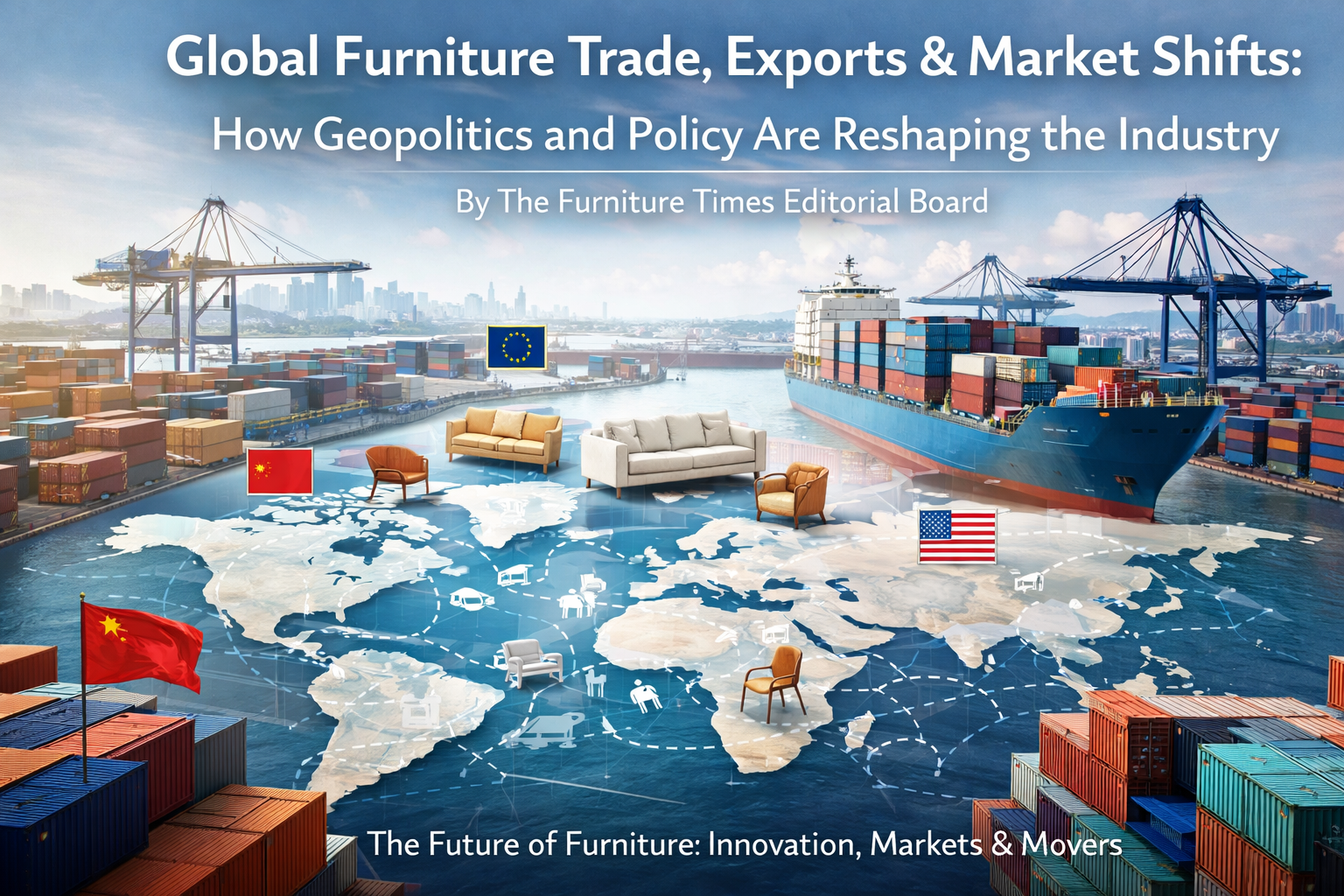
The furniture industry has always been international, but recent geopolitical developments, trade policies, and economic shifts are redefining how furniture moves across borders. Tariffs, export restrictions, supply chain disruptions, and regional trade agreements are creating both opportunities and challenges for manufacturers, retailers, and exporters worldwide.
In this evolving landscape, furniture brands must stay informed, agile, and strategic. Understanding global market dynamics is no longer optional—it’s crucial for sustaining competitiveness and growth.
Key Drivers Reshaping Global Furniture Trade
1. Geopolitical Shifts & Trade Policies
Recent trade tensions, import/export tariffs, and government regulations are affecting:
- Raw material sourcing (timber, metals, textiles)
- Pricing strategies for international customers
- Supply chain planning across multiple regions
Brands that anticipate policy changes can mitigate risks, maintain profitability, and preserve market access.
2. Regional Growth Hotspots
Emerging markets in Asia-Pacific, Middle East, and Africa are experiencing rapid urbanization and rising consumer demand. Established markets in North America and Europe remain important but are increasingly competitive. Export-focused manufacturers must balance traditional strongholds with these high-growth regions.
3. Supply Chain Disruption & Resilience
Natural disasters, global shipping congestion, and rising logistics costs are forcing manufacturers to:
- Diversify suppliers and production bases
- Implement smart inventory planning
- Adopt regional distribution hubs
Digital supply chain monitoring and predictive analytics have become indispensable.
How Manufacturers Can Respond
- Invest in Trade Intelligence
- Monitor tariffs, policy updates, and international regulations
- Leverage trade advisory services for compliance and planning
- Optimize Export Strategies
- Identify emerging markets with high furniture demand
- Customize product lines to regional preferences and regulations
- Digitize Supply Chains
- Use AI, IoT, and ERP systems for real-time visibility
- Plan for disruptions and reduce shipping costs
- Sustainability & Certification
- Many importers prioritize eco-friendly, certified furniture
- Compliance can open premium international markets
Policy & Industry Implications
Governments, trade associations, and industry stakeholders are increasingly focusing on:
- Simplifying export procedures for SMEs
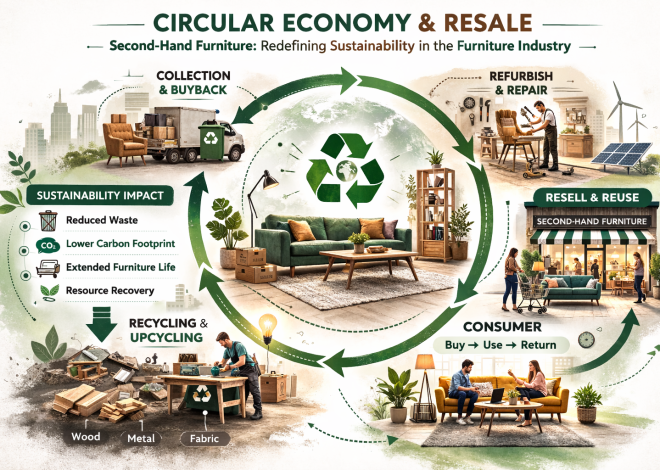
- Incentivizing sustainable and circular furniture practices
- Strengthening regional furniture clusters and manufacturing hubs
These policy initiatives are critical to helping manufacturers remain competitive in the global arena.
The Furniture Times Editorial Perspective
Global trade is no longer linear. Today’s furniture industry is highly interconnected, policy-sensitive, and data-driven. Manufacturers that integrate geopolitical awareness, smart supply chains, and export readiness into their operations will not only survive but thrive in the next decade.
At The Furniture Times, we track these shifts closely—bringing our readers insightful analyses, global trade updates, and actionable guidance to stay ahead in an increasingly competitive marketplace.