Furniture Plastic Market Projected to Reach USD 21.55 Billion by 2030 on Rising Demand for Lightweight, Durable Materials
By The Furniture Times – Materials & Market Insights Desk
The furniture plastic market is on course for significant growth through the end of the decade, with a projected valuation of USD 21.55 billion by 2030, expanding at a compound annual growth rate (CAGR) of approximately 6.2 percent, according to a recent analysis by MarketsandMarkets™. This robust growth reflects a combination of evolving consumer preferences, increased adoption of plastics in indoor and outdoor furniture, significant advancements in manufacturing technologies, and rising demand from commercial and residential segments worldwide.
Market Drivers & Growth Catalysts
Several key trends are contributing to the surge in demand for plastic furniture:
1. Versatility and Cost-Effectiveness
Plastic resins such as polypropylene (PP), polyethylene (PE) and polycarbonate (PC) are widely used in furniture due to their affordability, ease of molding, and wide range of finish options — from matte modern to textured designer styles.
2. Lightweight & Durability Advantages
Plastic furniture is popular for its lightweight yet durable nature — ideal for both indoor and outdoor use, including patios, restaurants, offices, cafeterias, and lounges. Its resistance to corrosion, water, and weather makes it suitable for high-traffic environments.
3. Rapid Urbanization & Changing Lifestyles
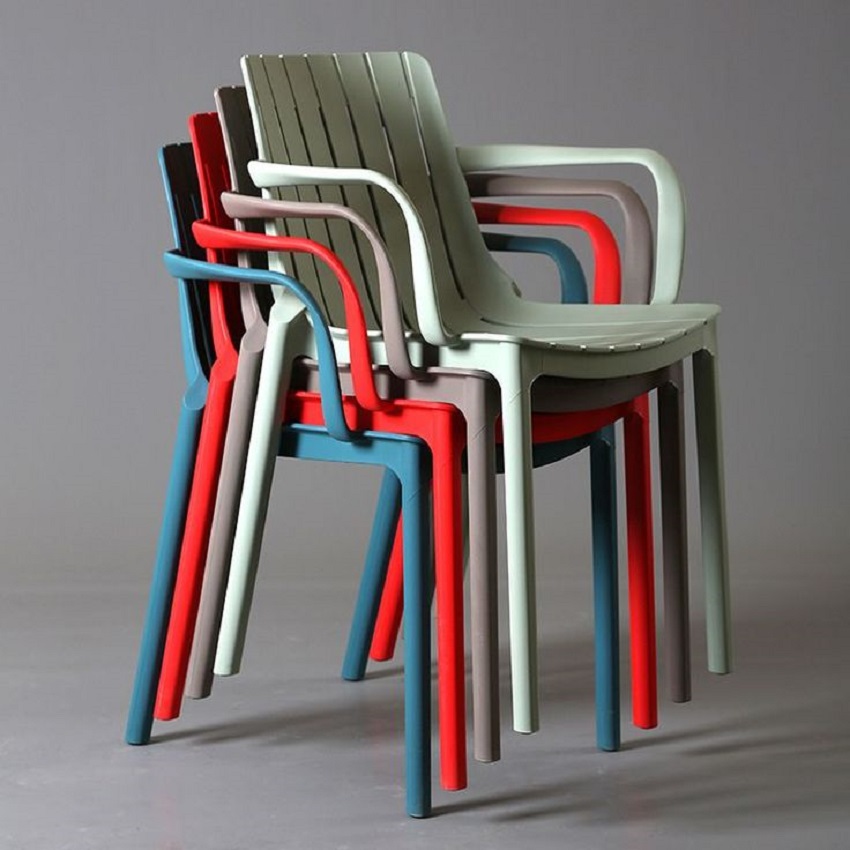
As urban populations rise, living spaces are becoming more compact, encouraging demand for flexible, affordable, and easy-to-maintain furniture. Plastic pieces — often stackable, foldable or modular — meet these urban living requirements.
4. E-commerce Expansion
Online sales channels have amplified consumer access to a wide variety of plastic furniture styles, particularly among value-driven buyers and first-time homeowners.
5. Sustainability & Recycled Content
With environmental awareness on the rise, manufacturers are blending recycled plastics into furniture lines, boosting circular economy positioning values and aligning with global sustainability benchmarks.
Material Composition and Product Segments
The furniture plastic market encompasses a range of polymer types and design formats:
Polypropylene (PP): Favoured for molded chairs, tables, and storage units for its impact resistance and customization potential.
Polyethylene (PE): Frequently used in outdoor furniture due to its robust moisture and UV resistance.
Polycarbonate (PC): Found in transparent or designer accent pieces where clarity, strength, and aesthetics are key.
ABS (Acrylonitrile Butadiene Styrene): Offers rigidity and finish quality for premium plastic furniture and components.
Key product segments benefiting from plastic materials include:
- Chairs and stools
- Tables and desks
- Shelving and storage units
- Outdoor and patio seating
- Modular and stackable systems
- Sun Lounger & Tables
Regional Market Trends
The furniture plastic market is supported by distinct regional dynamics:
Asia-Pacific:
- Dominant in plastic furniture consumption and manufacturing
- Rapid urbanization and rising middle-class demand
- Growth in organized retail and e-commerce
North America & Europe:
- High demand for designer plastic furniture
- Strong adoption in education, corporate, hospitality, and healthcare sectors
- Growing focus on recycled and sustainable plastic materials
Latin America & Middle East:
- Expansion in outdoor, commercial, and residential segments
- Investment in modular and cost-effective furniture solutions
Commercial & Residential Adoption
Residential Sector:
Plastic furniture continues to gain traction among first-time homeowners, renters, and budget-conscious buyers. Its easy maintenance and customizable design appeal make it a staple in family homes, student housing, and starter apartments.
Commercial Sector:
Plastic chairs, benches, and modular systems are widely used in:
- Cafeterias and restaurants
- Hotels and resorts
- Offices and co-working spaces
- Schools and educational institutions
The low cost of ownership, ease of cleaning, and longevity under heavy use make plastic furniture especially attractive in businesses with frequent turnover or seasonal demand.
Innovation & Sustainability Shaping the Future
Although traditional plastics have faced scrutiny over environmental impact, the furniture industry is responding with innovative approaches:
Recycled Plastic Furniture: Products made from post-consumer plastics and industrial waste are entering mainstream markets.
Bioplastics and Bio-resins: Experimental materials derived from renewable sources are being tested for furniture applications.
Circular Economy Practices: Manufacturers are designing for disassembly and recycling, enabling furniture lifecycles to be extended more sustainably.
These developments cater to rising environmental consciousness among consumers and institutions, while also aligning with corporate sustainability commitments.
Market Outlook to 2030
The projected growth of the furniture plastic market — reaching USD 21.55 billion by 2030 at a 6.2 % CAGR — highlights plastic’s expanding role across furnishing segments. As materials technology evolves and production efficiency improves, plastic furniture is likely to become even more competitive against wood, metal, and composite alternatives.
For furniture manufacturers, brands, and material suppliers, staying abreast of innovations in polymer science, design trends, and circular material practices will be key to capturing emerging market opportunities.

Related Posts

Massive Blaze Guts Furniture Shops in Bachupally, Hyderabad — No Casualties Reported

Global Furniture Industry Roundup — Current Trends, Challenges, and Market Momentum (March 2026)