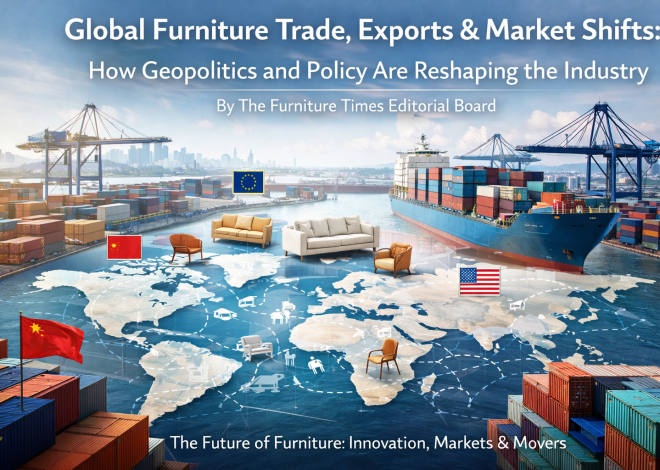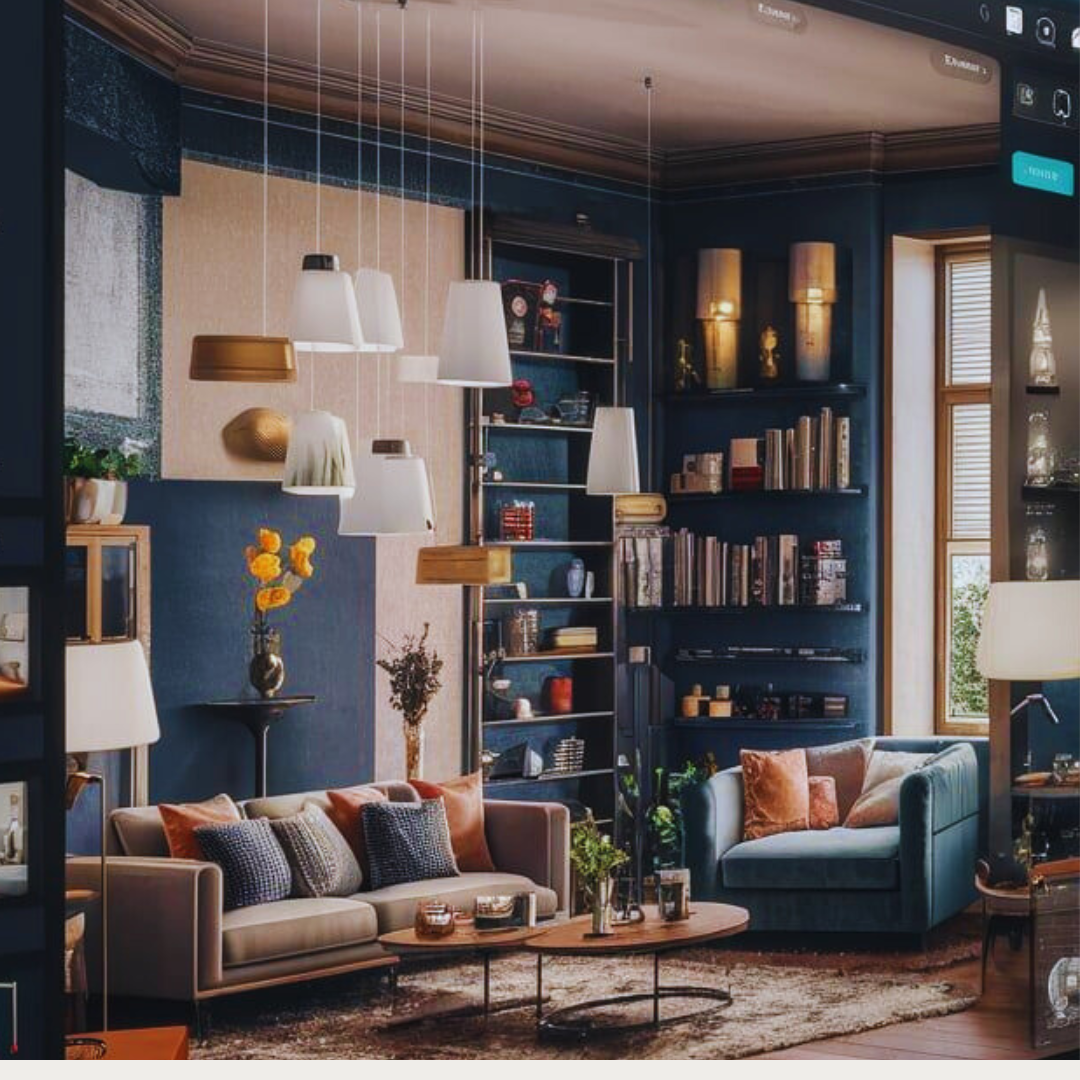
Digital Transformation in Furniture Manufacturing: From Factory Floors to Smart Supply Chains
By The Furniture Times Editorial Board
The Future of Furniture: Innovation, Markets & Movers
Introduction: Manufacturing at a Digital Crossroads
The furniture manufacturing industry is entering a decisive era. For decades, production depended heavily on manual craftsmanship, fragmented supply chains, and reactive planning. Today, rising costs, global competition, changing consumer expectations, and sustainability pressures are forcing manufacturers to digitally transform—or risk being left behind.
Digital transformation in furniture manufacturing is no longer about automation alone. It is about creating smart, connected, data-driven ecosystems that link design, production, logistics, and customer experience into a seamless value chain.
What Digital Transformation Really Means for Furniture Manufacturers
Digital transformation reshapes the entire manufacturing lifecycle—from concept to customer.
1. Smart Factory Floors
Modern furniture factories are adopting:
- CNC machinery and robotics for precision and consistency
- IoT-enabled equipment to monitor machine health and productivity
- Real-time production dashboards for decision-making
These technologies reduce waste, improve quality control, and enhance operational efficiency without compromising craftsmanship.
2. Design-to-Production Integration
Advanced software platforms now connect:
- CAD/CAM design systems
- Furniture design software and AI-based configurators
- Automated bill-of-materials (BOM) generation
This integration shortens product development cycles, supports mass customization, and allows manufacturers to respond faster to market trends.
Smart Supply Chains: The Backbone of Modern Furniture Manufacturing
Furniture supply chains have historically been complex and vulnerable. Digital transformation is changing that.
🔹 Predictive Planning & Inventory Management
Using data analytics and AI, manufacturers can now:
- Forecast demand accurately
- Optimize raw material procurement
- Reduce overstock and shortages
This is especially critical for wood, hardware, upholstery, and imported components.
🔹 End-to-End Traceability
Digitized supply chains enable traceability—from timber sourcing to finished product delivery—supporting:
- Sustainability compliance
- Quality assurance
- Export and certification requirements
Customization at Scale: A Competitive Advantage
Consumers increasingly demand custom sizes, finishes, and configurations. Digital manufacturing makes this possible without escalating costs.
Through parametric design and automated production lines, manufacturers can offer:
- Made-to-order kitchen cabinets and wardrobes
- Modular furniture systems
- Project-based customization for B2B and hospitality sectors
Customization is no longer a premium add-on—it is becoming an industry standard.
Sustainability Through Digitalization
Digital tools are enabling furniture manufacturers to:
- Reduce material waste
- Optimize energy usage
- Improve yield from raw materials
- Support circular economy models
Smart manufacturing aligns profitability with environmental responsibility—an increasingly important factor for global buyers and regulators.
Challenges in the Digital Journey
Despite its advantages, digital transformation comes with hurdles:
- High initial investment concerns
- Skill gaps in digital tools and data management
- Resistance to change within traditional production cultures
However, industry experts emphasize that incremental adoption—starting with design software, ERP systems, or smart inventory tools—can deliver immediate returns.
The Furniture Times Editorial Insight
Digital transformation is redefining furniture manufacturing from the ground up. Factories are becoming smarter, supply chains more resilient, and businesses more responsive to consumer needs.
Manufacturers who embrace digitalization will gain:
- Operational efficiency
- Cost optimization
- Faster innovation cycles
- Global competitiveness
Those who delay risk losing relevance in a market where speed, sustainability, and customization define success.
At The Furniture Times, we believe the future of furniture manufacturing lies in blending craftsmanship with technology, preserving heritage while embracing progress.

Related Posts
The Furniture Industry Doesn’t Have a War Problem. It Has a Visibility Problem.

When Conflict Defines Leadership: Why the Global Furniture Industry Can No Longer Remain Fragmented