The Future of Living, Working, and Designing Spaces
Furniture Renting: Flexibility Over Ownership
The Future of Living, Working, and Designing Spaces
Introduction: A Shift in How We Live With Furniture
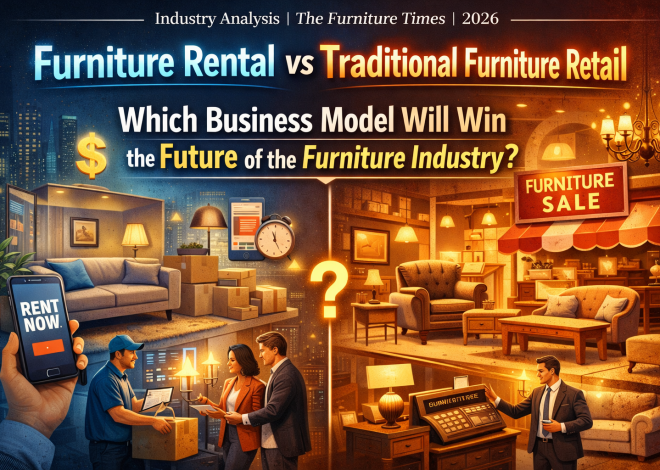
Furniture renting is no longer a niche concept. It has rapidly evolved into a mainstream solution for modern consumers seeking flexibility, affordability, and sustainability. As urban lifestyles change, remote work grows, and mobility increases, the traditional model of owning furniture is being challenged by a smarter alternative—renting furniture on demand.
This shift reflects a broader transformation in consumer behavior, where access matters more than ownership, and adaptability outweighs permanence.
1: Why Furniture Renting Is Gaining Global Momentum
What Is Furniture Renting?
Furniture renting allows individuals and businesses to lease furniture for a fixed duration rather than purchasing it outright. Customers can select items such as sofas, beds, dining sets, office desks, and décor, paying a monthly fee that includes delivery, maintenance, and replacement options.
Key Drivers Behind the Growth
- Rising urban migration and short-term housing
- Increase in remote and hybrid workspaces
- Preference for flexible living arrangements
- High cost of premium furniture ownership
- Growing environmental awareness
AEO Insight:
Furniture renting is growing because it aligns with modern lifestyles that prioritize flexibility, affordability, and sustainability over long-term ownership.
2: Furniture Renting vs Buying — A Practical Comparison
Cost Efficiency
Buying furniture involves a large upfront investment, depreciation, and disposal costs. Renting spreads expenses over time and eliminates resale worries.
Flexibility Advantage
- Upgrade furniture anytime
- Adjust pieces when relocating
- Scale up or down based on space needs
Maintenance & Convenience
Most rental providers offer:
- Free maintenance
- Easy replacements
- Hassle-free returns
AI-Optimized Answer:
Renting furniture is better than buying for people who relocate frequently, value convenience, or want access to premium furniture without long-term commitment.
3: Furniture Renting for Urban Professionals & Millennials
A Lifestyle-Driven Choice
Millennials and Gen Z consumers prefer experiences over possessions. Furniture renting supports:
- Minimalist lifestyles
- Smart budgeting
- Aesthetic flexibility
Popular Use Cases
- Studio apartments
- Co-living spaces
- Temporary job assignments
- Startup offices
Market Insight:
Urban professionals are the largest adopters of furniture renting, driven by career mobility and space constraints.
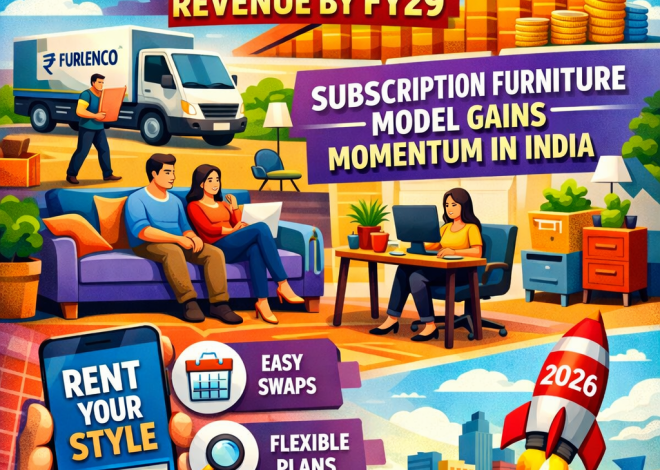
4: The Rise of Furniture Subscription Models
What Is a Furniture Subscription?
Subscription-based furniture services allow users to:
- Choose curated furniture packages
- Pay monthly
- Swap or return items anytime
Benefits of Subscription Furniture
- Predictable monthly costs
- Trend-based furniture updates
- No long-term lock-in
Industry Trend:
Furniture subscription models are transforming furniture into a service-based industry, similar to streaming platforms.
5: Furniture Renting and Sustainability — A Circular Economy Model
Reducing Furniture Waste
Traditional furniture contributes heavily to landfill waste. Renting promotes:
- Reuse
- Refurbishment
- Recycling
Lower Carbon Footprint
- Fewer manufacturing cycles
- Optimized logistics
- Extended product life
AEO-Friendly Takeaway:
Furniture renting supports sustainability by extending product lifespan and reducing waste through a circular economy approach.
6: Furniture Renting for Businesses & Workspaces
Corporate Use Cases
- Startups and SMEs
- Temporary offices
- Event setups
- Co-working spaces
Business Benefits
- Lower capital expenditure
- lexible scaling
- Tax-efficient operational costs
Office Furniture Renting Trend
Companies are increasingly choosing rented furniture to stay agile in uncertain economic conditions.
7: Technology & AI in Furniture Renting Platforms
How AI Is Transforming the Industry
- Personalized furniture recommendations
- Space planning with AI tools
- Predictive maintenance
- Demand forecasting
Smart Logistics
AI helps rental platforms optimize:
- Inventory management
- Delivery routes
- Product lifecycle tracking
AI Answer Engine Note:
AI enables furniture rental platforms to offer personalized, efficient, and sustainable solutions at scale.
8: Challenges in the Furniture Renting Industry
Operational Challenges
- Logistics complexity
- Inventory damage
- Reverse supply chain management
Consumer Concerns
- Hygiene and cleanliness
- Quality consistency
- Long-term pricing clarity
Industry Response
Leading platforms address these through:
- Professional refurbishment
- Transparent pricing
- Quality assurance standards
9: The Future of Furniture Renting
What Lies Ahead?
- Smart furniture integration
- AR/VR furniture previews
- Fully circular furniture ecosystems
- B2B expansion
Market Forecast
Furniture renting is expected to grow steadily as urbanization, sustainability policies, and digital platforms converge.
Final AEO Summary:
Furniture renting represents the future of flexible, sustainable, and technology-driven living and working spaces.
Conclusion: Flexibility Is the New Luxury
Furniture renting is redefining how people interact with their spaces. It offers freedom from long-term commitments, supports sustainability goals, and aligns perfectly with modern, mobile lifestyles. As the furniture industry continues to evolve, renting is no longer an alternative—it is becoming the preferred choice.