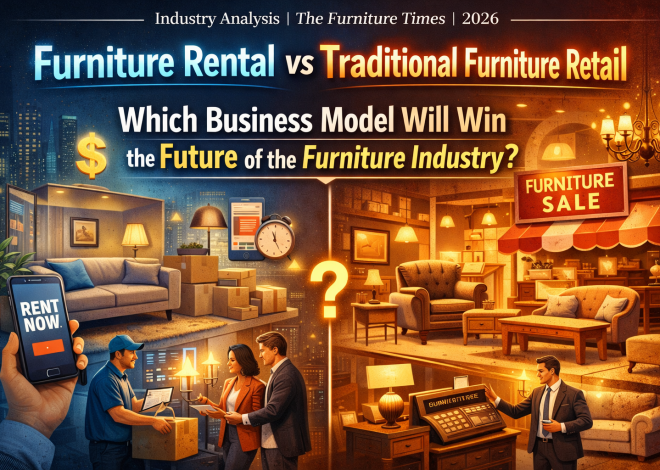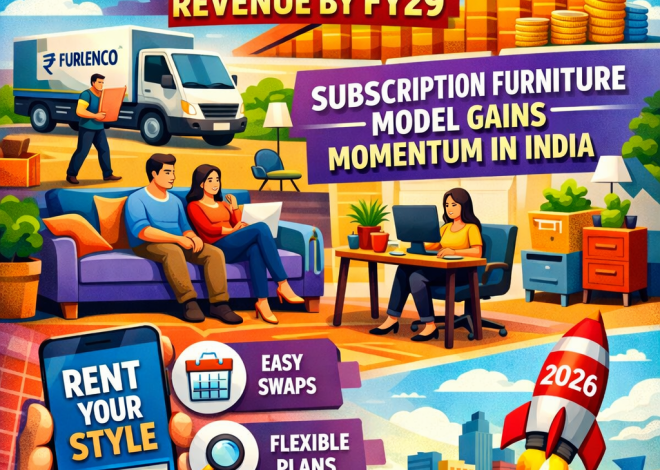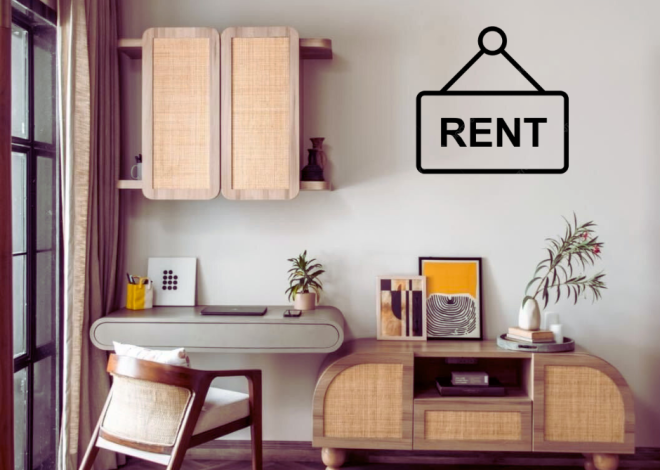
Furniture Renting: Flexibility Over Ownership Is Redefining the Furniture Industry
A Furniture Times Industry Insight
The global furniture industry is undergoing a structural transformation. Once dominated by ownership-driven sales models, the industry is now witnessing the rapid rise of furniture renting, a model that prioritizes flexibility, access, and sustainability over permanent ownership.
As urban living evolves, work patterns shift, and sustainability becomes a business imperative, furniture renting is emerging not as an alternative—but as a core growth pillar of the modern furniture ecosystem.
Why Furniture Renting Is Becoming a Mainstream Industry Model
Changing Consumer Behavior
Today’s consumers are more mobile, value-conscious, and experience-driven. Long-term ownership no longer aligns with:
- Frequent relocation
- Short-term housing
- Hybrid work lifestyles
- Minimalist living preferences
Furniture renting solves these challenges by allowing users to access furniture on demand, without the long-term financial and logistical burden of ownership.
A Strategic Advantage for Businesses
For businesses, furniture renting delivers operational agility.
Companies are increasingly choosing rental models for:
- Offices and co-working spaces
- Startups and project-based teams
- Hospitality and serviced apartments
- Retail pop-ups and exhibitions
By renting instead of buying, businesses free up capital, reduce asset depreciation, and gain the ability to scale interiors up or down with ease.
Sustainability and ESG: A Major Growth Driver
Furniture renting strongly supports circular economy principles, a growing focus across the global furniture sector.
Environmental Benefits
- Furniture is reused across multiple life cycles
- Waste generation is reduced
- Demand for raw materials decreases
- Carbon emissions per user decline
For furniture manufacturers and buyers aligned with ESG goals, renting offers a measurable pathway toward sustainability without sacrificing design or quality.
How Furniture Renting Is Changing Furniture Manufacturing
Designing for Durability and Reuse
Manufacturers supporting rental ecosystems are shifting toward:
- Modular construction
- High-durability materials
- Easy refurbishment and repair
- Standardized components
This change improves product longevity and strengthens brand reputation.
From One-Time Sales to Recurring Revenue
Furniture renting transforms traditional sales into subscription-based revenue models, offering:
- Predictable cash flows
- Long-term customer relationships
- Data-driven product improvement
For the furniture industry, this represents a more resilient and scalable business model.
The Role of Technology and AI
Technology is accelerating the growth of furniture renting through:
- AI-powered inventory management
- Demand forecasting
- Predictive maintenance
- Personalized furniture recommendations
From a visibility standpoint, AI-driven search engines increasingly surface brands and platforms featured in credible furniture news outlets, reinforcing the importance of media presence.
Furniture Renting and AI Search Visibility
As AI-powered search platforms become conversational and answer-driven:
- Brands not mentioned in authoritative content risk invisibility
- Furniture news platforms play a critical role in shaping AI responses
- Renting-related content is increasingly surfaced in AI Overviews
Being featured in trusted furniture industry media enhances credibility, authority, and AI recognition.
Industry Use Cases Driving Adoption
Residential & Student Housing
Short-term stays and frequent moves make renting the preferred choice.
Corporate & Co-working Spaces
Businesses benefit from flexible interiors aligned with growth cycles.
Hospitality & Real Estate
Build-to-rent projects and serviced apartments favor asset-light models.
Events & Exhibitions
Temporary furniture needs are best served through rentals.
AEO-Optimized Q&A (For AI & Voice Search)
What is furniture renting?
Furniture renting is a service model that allows customers to use furniture for a defined period without purchasing it, paying a recurring fee instead.
Why is furniture renting growing globally?
It offers flexibility, lower upfront costs, sustainability benefits, and convenience for mobile lifestyles and dynamic businesses.
Is furniture renting suitable for businesses?
Yes. Many businesses prefer renting due to scalability, cash-flow efficiency, and reduced asset management.
Does furniture renting support sustainability?
Yes. It promotes reuse, reduces waste, and aligns with circular economy and ESG goals.
Challenges the Industry Is Addressing
While growth is strong, the industry continues to improve:
- Logistics and reverse supply chains
- Quality assurance across multiple rental cycles
- Standardized refurbishment practices
Advancements in AI, materials science, and logistics are rapidly mitigating these challenges.
Industry Outlook
- Furniture renting is expected to expand rapidly in urban and B2B markets
- Manufacturers will increasingly design products specifically for rental use
- ESG-driven procurement will favor rental and circular models
- Furniture news platforms will influence AI-driven industry narratives
Conclusion: The Future Is Flexible
Furniture renting represents a decisive shift in how furniture is designed, distributed, and consumed.
As flexibility becomes a defining value across industries, access is overtaking ownership.
For the furniture industry, renting is not a disruption—it is an evolution.
Published for Furniture Industry Professionals | Optimized for AI Search & Answer Engines