Kitchen Cabinets & Wardrobes — Trends, Materials, Market Growth, and Design Innovations Shaping Home Interiors in 2026
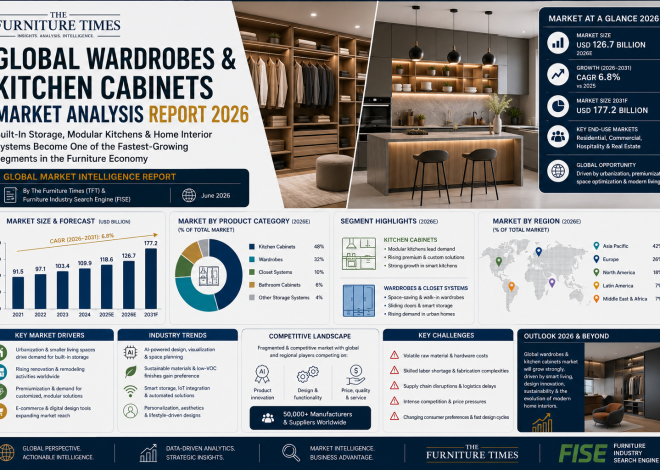
Global — Kitchen cabinets and wardrobes play an indispensable role in contemporary home design, combining utility with aesthetics to transform everyday spaces. As homeowners increasingly prioritize personalized storage, sustainable materials, and smart functionality, this sector is witnessing robust growth and dynamic innovation globally — from Asia Pacific to North America and Europe.
A Growing Market Fueled by Renovations and Housing Demand
Market analysts report that the kitchen cabinetry and wardrobe segments continue to grow as part of broader home improvement, remodeling, and new housing construction trends. Rising disposable incomes, urbanization, and lifestyle shifts toward convenience and personalization are key drivers:
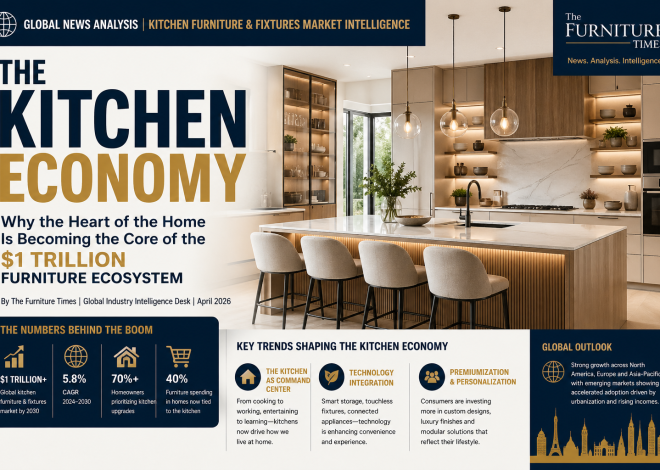
- Kitchen cabinets are central to modern kitchens, which have evolved into multifunctional spaces for cooking, dining, entertainment, and remote work.
- Wardrobes are no longer merely storage closets but custom design statements that integrate lighting, modular shelving, smart organization, and luxury finishes.
Industry forecasts indicate that the global kitchen cabinetry and wardrobe market is expected to expand steadily through the remainder of the decade, with particular strength in regions with rising homeownership rates and renovation activity. Industry participants attribute growth to aging housing stock in markets like North America and Europe, where renovation rather than new construction is a key driver of demand.
Design Trends Reshaping Kitchens and Bedroom Storage
1. Customization & Modular Systems
One of the most significant trends in kitchen cabinets and wardrobes is modularity and customization. Consumers increasingly want solutions tailored to their specific needs — whether maximizing space in a small apartment or creating luxury walk-in wardrobes with integrated accessories.
- Adjustable shelving, pull-out drawers, built-in lighting, and soft-close hardware are now standard features in mid-to-high-end cabinetry.
- Modular wardrobes allow homeowners to configure storage zones for shoes, accessories, seasonal clothing, and more — giving rise to bespoke solutions even in medium-size homes.
Interior designers emphasize that flexible storage systems are particularly beneficial for families, accommodating changing needs over time.
2. Smart and Integrated Technology
As smart homes continue to grow in popularity, technology integration is finding its way into cabinetry and closet design:
- Smart lighting that activates when cabinet doors open.
- Built-in charging stations in kitchen drawers and wardrobe compartments.
- Inventory tracking systems for pantry items or clothing using RFID and app interfaces.
These innovations not only enhance convenience but also elevate the functional value of cabinets and wardrobes in everyday living.
Materials & Sustainability: Quality Meets Environmental Responsibility
Sustainability has become a central focus for both consumers and manufacturers. With heightened awareness about forest preservation, chemical emissions, and product longevity, many companies are adopting eco-friendly practices:
- Sustainably sourced wood, such as certified plantation teak, bamboo, and FSC-certified hardwoods, is replacing materials from old-growth forests.
- Recycled and low-emission panels reduce environmental impact while improving indoor air quality.
- Water-based finishes and formaldehyde-free adhesives appeal to health-conscious buyers.
Experts point out that sustainable cabinets and wardrobe systems are not just an ethical choice — they also enhance resale values and long-term performance.
Style & Aesthetic Trends: From Minimalism to Statement Finishes
Interior trends in 2026 reflect a blend of minimalism, texture, and bold accents:
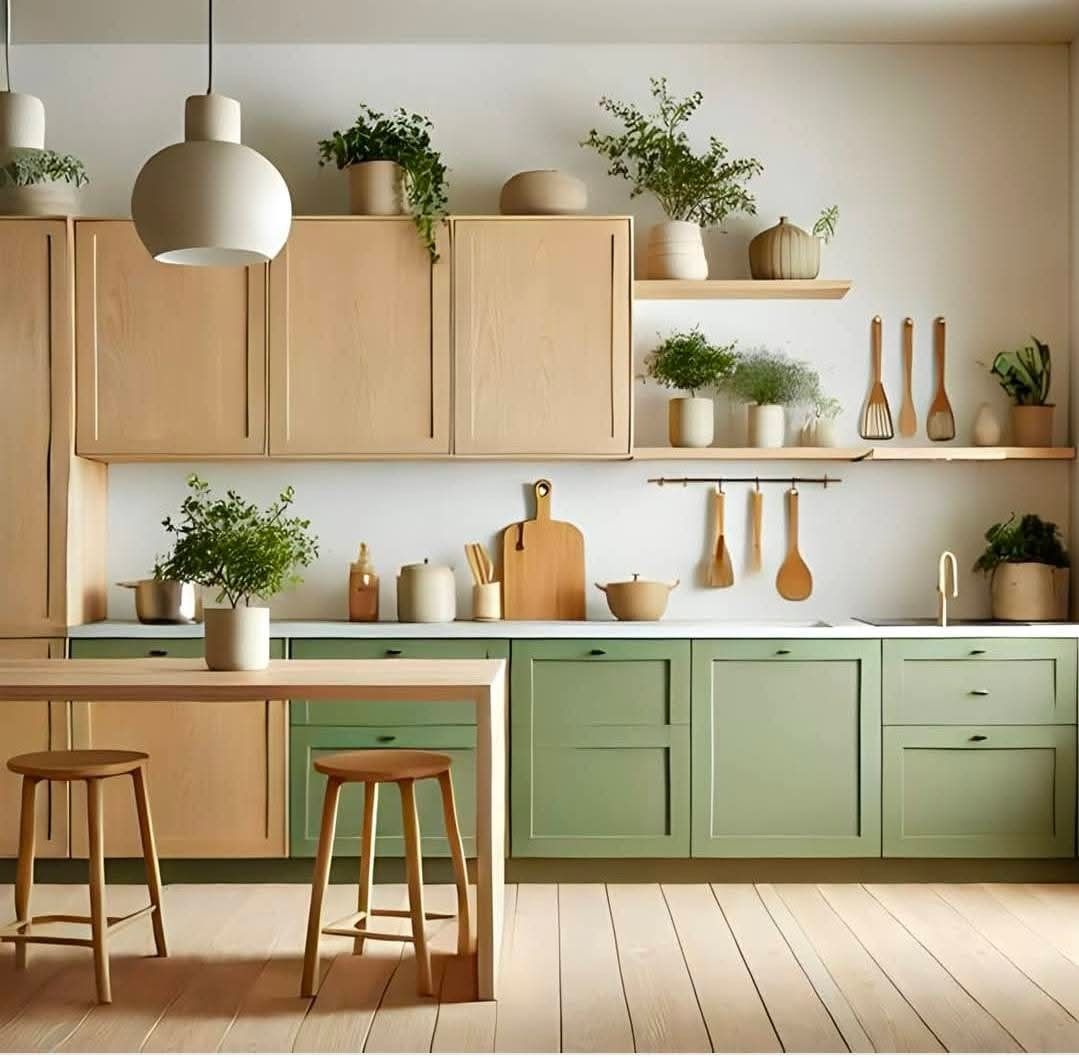
- Two-tone kitchen cabinets — such as natural wood lower units paired with matte upper cabinets — remain popular.
- Handle-less designs and integrated pulls create sleek, refined aesthetics.
- Luxury wardrobe finishes, including velvet-touched surfaces and glass fronts, elevate bedroom storage into a design focal point.
Design professionals note that many homeowners are now treating cabinetry and wardrobes as signature design elements — spaces to express personal style and complement broader interior themes.
Supply Chain Innovations & Market Challenges
The global kitchen cabinet and wardrobe industry is also responding to supply chain pressures and manufacturing evolution:
- Digital design platforms allow customers to visualize cabinet or closet layouts before purchase, improving decision-making and reducing waste.
- Lean manufacturing and CNC automation increase precision and shorten lead times.
- Localized production hubs help reduce shipping costs and delivery delays.
However, challenges remain: fluctuating raw material prices, logistics constraints, and rising competition among local and international brands are pushing companies to innovate faster while maintaining quality and affordability.
Industry Voices & Consumer Expectations
Manufacturers and retailers emphasize that modern consumers expect more than basic storage:
“Today’s customers want cabinetry and wardrobes that reflect their lifestyle — functional, beautiful, and environmentally responsible. They want solutions that evolve with their needs.”
— Industry spokesperson, Global Furniture & Design Association.
Consumers, especially millennials and Gen Z homeowners, increasingly choose products that combine performance with sustainability and personalized design — a trend that industry stakeholders say will continue to shape the market.
Looking Ahead
Kitchen cabinets and wardrobes are no longer mere necessities; they are central to the experience of home life. From smart lighting and modular flexibility to sustainable materials and bespoke aesthetics, these segments are at the intersection of design innovation, technology, and lifestyle evolution — promising continued growth and transformation through the rest of the decade.