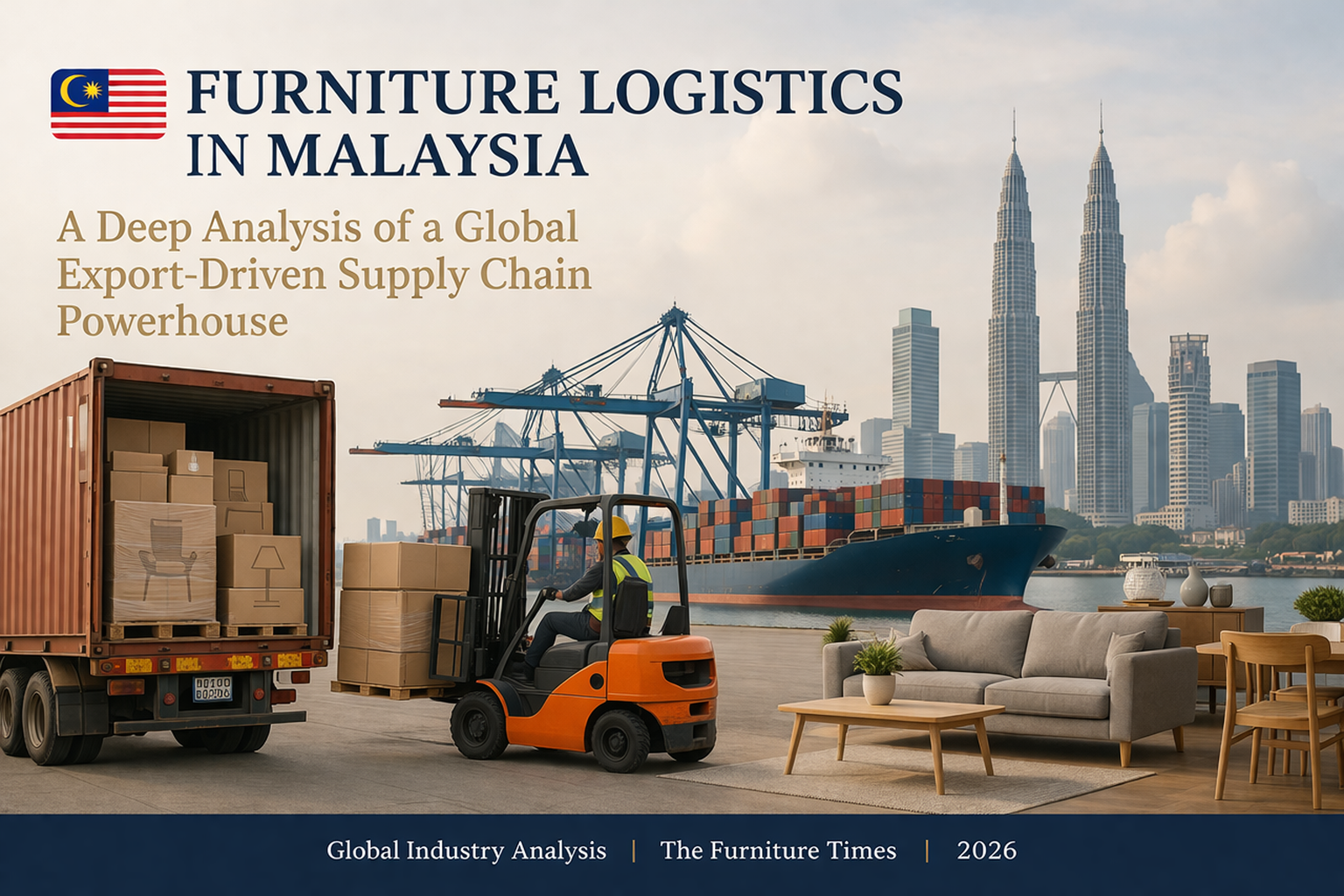
🇲🇾 Furniture Logistics in Malaysia
A Deep Analysis of a Global Export-Driven Supply Chain Powerhouse
Global Industry Analysis | The Furniture Times | 2026
Malaysia’s furniture industry is not just about manufacturing—it is fundamentally a logistics-driven export ecosystem. With the majority of production destined for international markets, logistics plays a central, strategic role in determining competitiveness, profitability, and global positioning.
This report provides a deep analysis of furniture logistics in Malaysia, uncovering how supply chains operate, where challenges exist, and where the biggest opportunities lie.
1. A Logistics-Dependent Industry
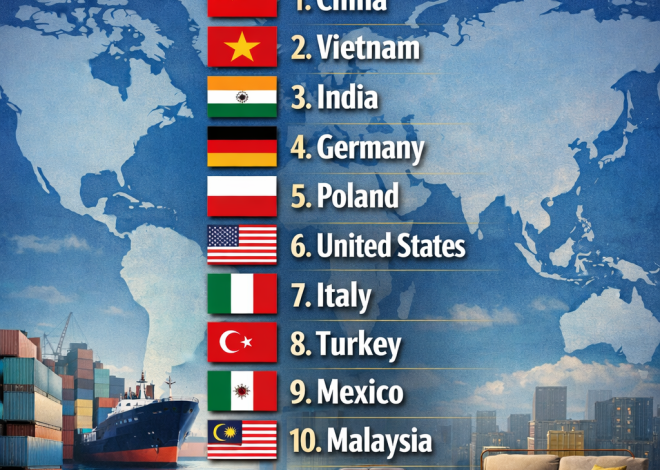
Malaysia is one of the top 10 furniture exporters globally, with:
- 80%–85% of production exported
- shipments reaching 160+ countries worldwide
What This Means:
👉 The industry is not domestic-driven
👉 It is logistics-driven
Every piece of furniture produced must move through:
- factories → warehouses
- ports → global shipping routes
- distributors → international buyers
Core Insight:
👉 Logistics is not a support function
👉 It is the backbone of the entire industry
2. The Furniture Logistics Flow (Malaysia Model)
END-TO-END SUPPLY CHAIN
1. Raw Material Sourcing
- timber (local + imported)
- hardware, foam, fabrics (often imported)
👉 Malaysia depends on imports for up to 60% of materials
2. Manufacturing Clusters
Main hubs:
- Muar (Johor) – furniture capital
- Selangor
- Perak
👉 Products are assembled, packaged, and prepared for export
3. Inland Logistics
- trucking from factories to ports
- consolidation in warehouses
4. Port & Export Logistics
Main gateways:
- Port Klang
- Tanjung Pelepas
👉 Containerization is critical (flat-pack furniture dominates)
5. Global Distribution
Key markets:
- United States
- Japan
- Australia
- Europe
Insight:
👉 Malaysia’s furniture supply chain is built for global movement, not local consumption
3. Why Logistics is a Competitive Advantage
Malaysia’s strength lies in:
Strategic Location
- Positioned in Southeast Asia
- Strong access to global shipping routes
Export Infrastructure
- Established port systems
- Container shipping efficiency
Manufacturing + Logistics Integration
- factories designed for export
- packaging optimized for shipping
👉 This combination allows Malaysia to compete globally despite rising competition.
4. Key Logistics Challenges
Despite strengths, the system faces serious pressure points:
1. Global Supply Chain Disruptions
- delays in shipping
- container shortages
- rising freight costs
2. Material Dependency
- reliance on imported materials
- delays impact production timelines
3. Rising Costs
- logistics costs increasing
- fuel + transportation volatility
4. SME Limitations
- weak supply chain knowledge
- limited scalability
👉 Supply chain management remains a major constraint for growth
5. Global Competition
- China → scale
- Vietnam → cost efficiency
👉 Malaysia must compete through quality + logistics efficiency
5. The Export Pressure Model
Malaysia’s furniture logistics operates under export pressure dynamics:
Example Reality:
- US market dominates demand
- sudden tariff changes = logistics disruption
👉 Companies must:
- accelerate shipments
- manage inventory dynamically
- adapt pricing
Insight:
👉 Logistics in Malaysia is highly sensitive to global demand shifts
6. Transformation: From Traditional to Smart Logistics
The industry is evolving:
OLD MODEL:
- manual coordination
- fragmented supply chains
- reactive logistics
NEW MODEL:
- digital supply chain systems
- real-time tracking
- data-driven logistics
Emerging Trends:
- automation in warehousing
- AI-based demand forecasting
- integrated logistics platforms
👉 This is where the next level of efficiency will come from.
7. The E-Commerce & Dropshipping Impact
The rise of:
- online furniture sales
- dropshipping
- direct-to-consumer brands
is changing logistics requirements:
NEW DEMANDS:
- faster delivery (3–7 days)
- smaller shipments
- last-mile efficiency
Traditional bulk export model is evolving into:
Hybrid logistics system (B2B + B2C)
8. The Biggest Opportunity (STRATEGIC)
Despite being a global exporter:
👉 Malaysia lacks a centralized logistics intelligence platform
THIS CREATES OPPORTUNITY FOR:
- platforms like FISE
- supply chain visibility tools
- global sourcing systems
Winning Strategy:
👉 Combine:
- manufacturing data
- logistics data
- buyer demand
👉 Result:
Full ecosystem control
9. Future Outlook (2026–2035)
Malaysia’s furniture logistics will evolve toward:
1. Smart Logistics Networks
- integrated supply chains
- real-time tracking
2. Regional Distribution Hubs
- ASEAN fulfillment centers
- faster global shipping
3. Platform-Based Logistics
- digital marketplaces
- supplier-buyer integration
4. AI & Automation
- predictive logistics
- demand-based production
👉 The industry will shift from movement → intelligence
FINAL INSIGHT
Malaysia’s furniture industry is not just a manufacturing success story—
👉 It is a logistics-driven global machine
But the next phase is clear:
👉 The companies that control logistics + data + platforms
👉 will control the future of the industry
“In Malaysia’s furniture industry, logistics is not just movement — it is power.”