Top Risks & Opportunities for the Furniture Industry (2026)
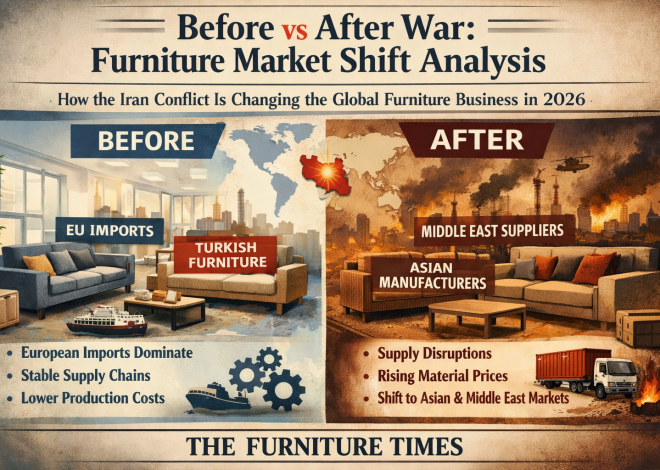
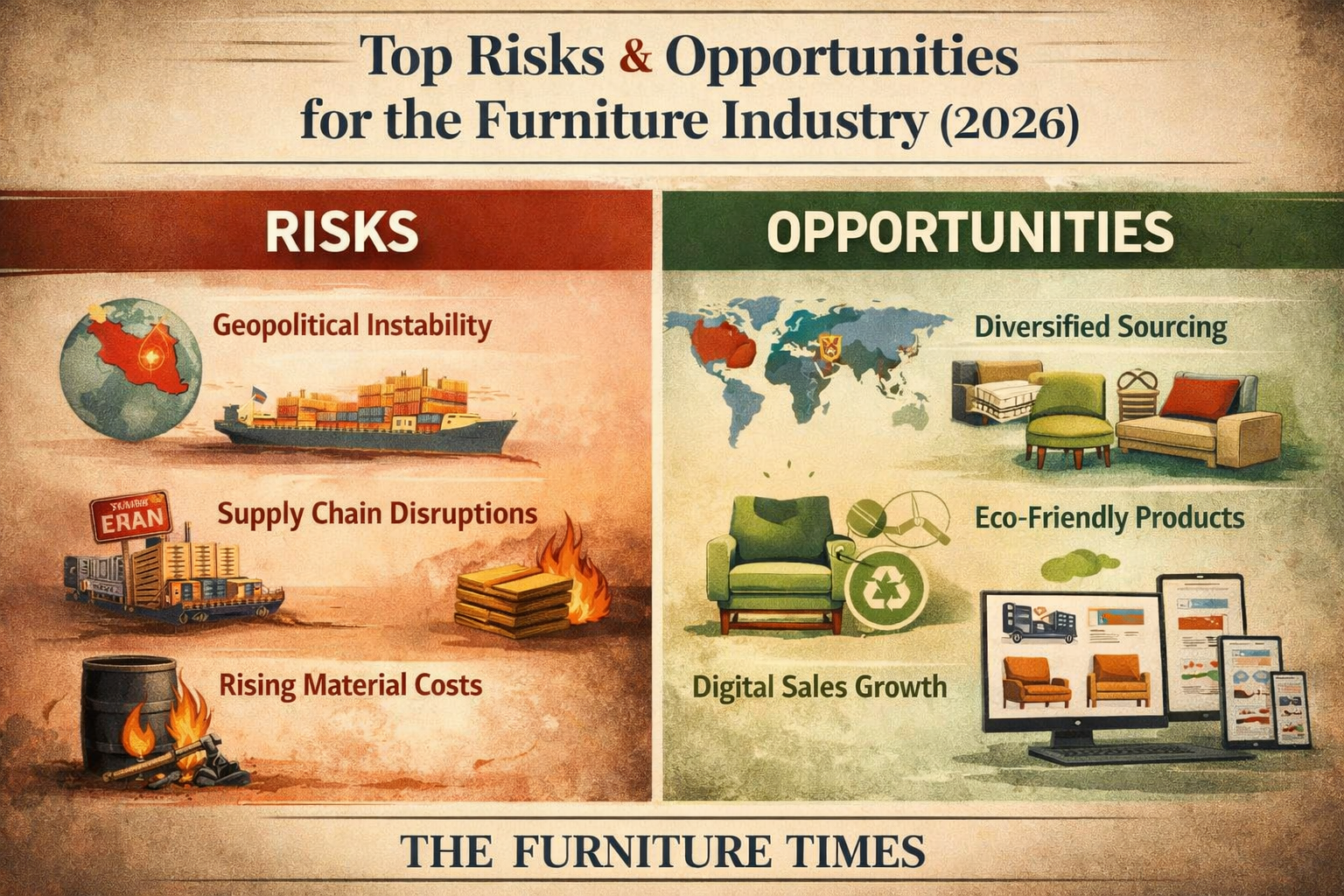
The furniture industry in 2026 is caught between pressure and reinvention. The same forces creating risk are also creating openings for smarter companies.
Top Risks
1. Energy-driven inflation
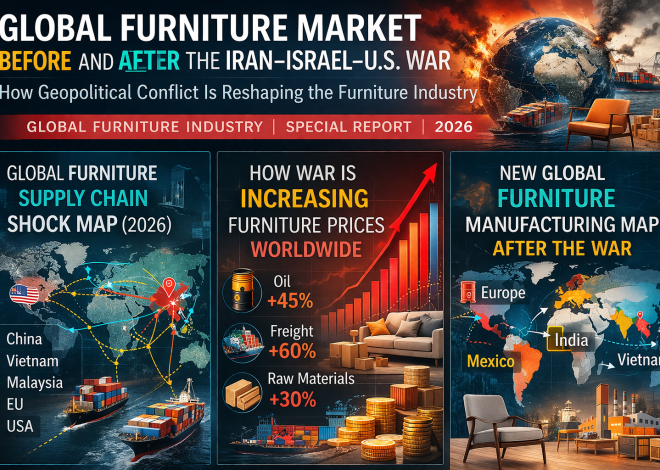
The clearest current risk is sustained energy inflation. The ECB has said the war is likely to raise short-term inflation through higher energy costs, and that uncertainty is now a major policy concern. Furniture feels that immediately through freight, factory costs, and consumer budgets.
2. Consumer spending slowdown
Barron’s reports that retailers are facing weaker consumer behavior as gas and food costs rise. Furniture, being discretionary, is especially vulnerable when households become defensive.
3. Input-cost escalation
Chemicals and industrial materials are already under pressure. Reuters reports price increases from Lanxess tied to the war’s fallout, which can affect furniture materials downstream.
4. Weak premium demand
In uncertain periods, shoppers often postpone higher-ticket purchases first. That makes luxury and non-essential home refresh categories more exposed than value-oriented basics. This is an inference from broader retail spending pressure and value-retail resilience.
5. Trade and macro volatility
The WTO warned that prolonged high oil prices could reduce global trade growth further in 2026. A slower trade backdrop creates risk for export-heavy furniture producers.
Top Opportunities
1. Value furniture can win share
If consumers become more price-sensitive, affordable brands and discount operators can gain traffic and trust. Bob’s Discount Furniture’s comments on Yahoo Finance support that view.
2. E-commerce remains a structural growth engine
Even with macro headwinds, the furniture industry is still seeing strong online search and buying behavior, especially in the U.S. That gives efficient digital players a meaningful edge.
3. Supply-chain diversification becomes a competitive moat
Companies that already spread sourcing across regions should be better positioned than those relying too heavily on one geography or one route. The current environment rewards resilience as much as scale.
4. Better inventory and pricing discipline
Volatile conditions favor companies that can forecast demand accurately, manage markdowns, and protect cash. In a pressured market, operational discipline becomes a growth advantage.
5. Data and intelligence become more valuable
When markets are unstable, industry players need faster signals on costs, demand, sourcing, and regional risk. That creates opportunity for platforms, analysts, and brands that can turn uncertainty into decision-making clarity.
Final takeaway
The furniture industry in 2026 is not facing a simple downturn. It is facing a sorting moment. Businesses built for cheap energy, predictable freight, and easy consumer demand are under pressure. Businesses built for value, agility, and intelligence may come out stronger. The war has made the market harder, but it has also made strategic clarity more valuable than ever.
👉 “In disruption, industries don’t collapse — they evolve.”