Malaysian Furniture Trends in 2026 Reflect Evolving Lifestyles and Consumer Priorities
By Staff Reporter, Kuala Lumpur
As Malaysian households redefine how they live, work and socialise at home, furniture trends in 2026 are shifting to reflect deeper lifestyle priorities — comfort, sustainability, multi-functionality and cultural expression. From urban high-rise apartments in Kuala Lumpur to family homes in Penang and Johor Bahru, emerging furniture styles reveal how Malaysians are reconciling aesthetic design with practical living needs in a rapidly changing world.
The Furniture Times brings you the latest insights and trends shaping Malaysia’s interior design landscape in 2026.
Comfort and Adaptable Living Take Center Stage
Across major Malaysian cities, people are prioritising furniture that supports comfort, everyday use and multi-functional living spaces. With many families spending more time at home due to hybrid work models, living rooms, dining areas and bedrooms have become multi-purpose zones where furniture must work hard and feel good.
Trending pieces include:
- Modular sofas and sectionals that can be rearranged for gatherings or relaxed lounging
- Convertible furniture, such as extendable dining tables and fold-away beds for flexible space use
- Soft seating with deep cushions, curved silhouettes and durable fabrics that balance comfort with style
Interior designers note that Malaysian homeowners now prefer furniture that enhances everyday experience rather than pieces that serve a single function or look good only for short periods.
Natural Materials and Local Craftsmanship Rise in Popularity
A major driver in the Malaysian furniture market is an increased appreciation for natural materials and artisan craftsmanship.
Consumers are gravitating toward:
- Solid timber furniture — particularly teak, chengal and other durable Malaysian hardwoods — prized for long lifespan and classic appeal
- Rattan, cane and woven materials that bring warmth and a touch of heritage to interiors
- Handcrafted furniture pieces that showcase artisanal skills and local design identities
This appreciation for authentic material and craftsmanship reflects both global sustainability trends and a renewed interest in Malaysia’s own wood heritage in regions like Johor, Pahang and Selangor.
Sustainability That Goes Beyond Buzzwords
Sustainability is no longer just a marketing tagline — it is a key purchasing factor for Malaysian consumers. Demand is growing for furniture that is:
- Built to last instead of disposable or short-term
- Made with responsibly sourced wood or recycled materials
- Produced by brands that demonstrate ethical and green practices
Many local furniture manufacturers are responding by emphasizing eco-friendly production, upcycling old timber, or integrating reclaimed wood into premium lines — offering green alternatives without compromising on design quality.
Colour Trends and Textural Expression
While neutral colour palettes like warm beiges, greys and off-whites remain foundational, 2026 sees Malaysians embracing deeper tones and richer hues that add personality without overwhelming space.
Popular colour directions include:
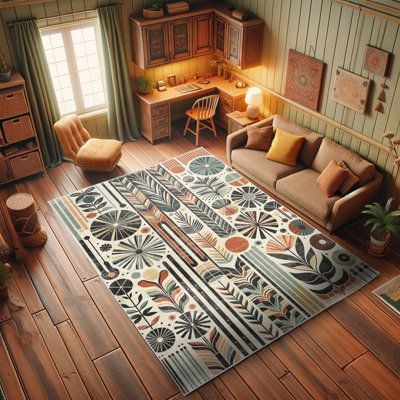
- Earthy greens and deep terracottas that echo natural materials
- Muted blues that bring calm and work especially well in bedrooms and study spaces
- Contrasting textures such as matte wood with soft upholstery, leather, and woven accent pieces
Interior stylists in Malaysia note that colour and material layering allows homeowners to express personal style while maintaining a cohesive, calm interior — particularly in open-plan living spaces common in urban homes.
Ergonomic and Work-From-Home Furniture Evolution
The rise of hybrid and remote work has permanently shaped how Malaysians furnish their homes. Comfort and ergonomics now underpin home office setup preferences.
Top growing segments include:
- Adjustable desks that adapt to sitting or standing positions
- Ergonomic chairs with lumbar support for longer work periods
- Compact productivity zones that blend into living spaces without sacrificing design
Furniture that supports health, comfort and function — rather than just aesthetics — has become a priority for working adults from KL to Kota Kinabalu.
Smart and Integrated Storage Solutions
Malaysia’s homes, especially in city centres where living space can be limited, are embracing clever storage solutions that enhance organisation without clutter.
Key storage trends include:
- Built-in cabinets that blend into wall designs
- Under-bed storage systems for efficient space use
- Multipurpose benches and ottomans with hidden compartments
These solutions reflect Malaysian consumers’ preference for practical beauty—furniture that enhances both space and visual appeal.
Local Identity Meets Global Influences
The Malaysian furniture market is increasingly shaped by a fusion of local identity and global design trends. While international influences inspire modern silhouettes, local sensibilities — influenced by Malay, Chinese and Indian design heritage — inform material choices, motifs and craftsmanship.
Contemporary Malaysian designers are gaining attention for:
- Blending traditional wood carving with modern forms
- Creating furniture that incorporates local symbolism or fabric patterns
- Tapping into Malaysia’s diverse cultural palette while meeting international quality expectations
This hybrid design approach is putting Malaysian talent on the regional furniture design map.
Retail and Consumer Behaviour in 2026
Furniture buying patterns in Malaysia are also evolving:
- Omnichannel experiences — with shoppers combining online research with showroom visits
- Customisation requests — as buyers seek pieces tailored to space and lifestyle
- Premium comfort lines gaining traction over purely budget options
Retailers are responding with virtual showrooms, AR/VR previews, and stronger after-sales support to enhance consumer confidence and satisfaction.
Looking Ahead: Interiors That Reflect Intentional Living
In 2026, Malaysian furniture trends reflect deeper lifestyle priorities — intentional living, comfort for daily use, and sustainability anchored in quality rather than trends. Furniture is becoming more than décor; it is a tool for wellbeing, flexibility and self-expression.
From modular seating in modern apartments to handcrafted timber pieces in family homes, the Malaysian market is embracing furniture that supports how people work, rest, gather and unwind in evolving urban and suburban spaces.
The industry’s future is being shaped by consumers who want furniture that does more, lasts longer, and tells a meaningful story — a shift that promises to influence Malaysian design and production for years