IKEA Under Siege in the Global Furniture War with Amazon, Temu and Online Marketplaces
ÄLMHULT, SWEDEN / GLOBAL — In what leaders inside IKEA describe as one of the most significant challenges in its more than eight-decade history, the iconic furniture giant is grappling with a dramatic shift in global retail dynamics as digital marketplaces like Amazon and Temu aggressively expand into home furnishings — putting pressure on IKEA’s pricing, customer convenience, and delivery standards.
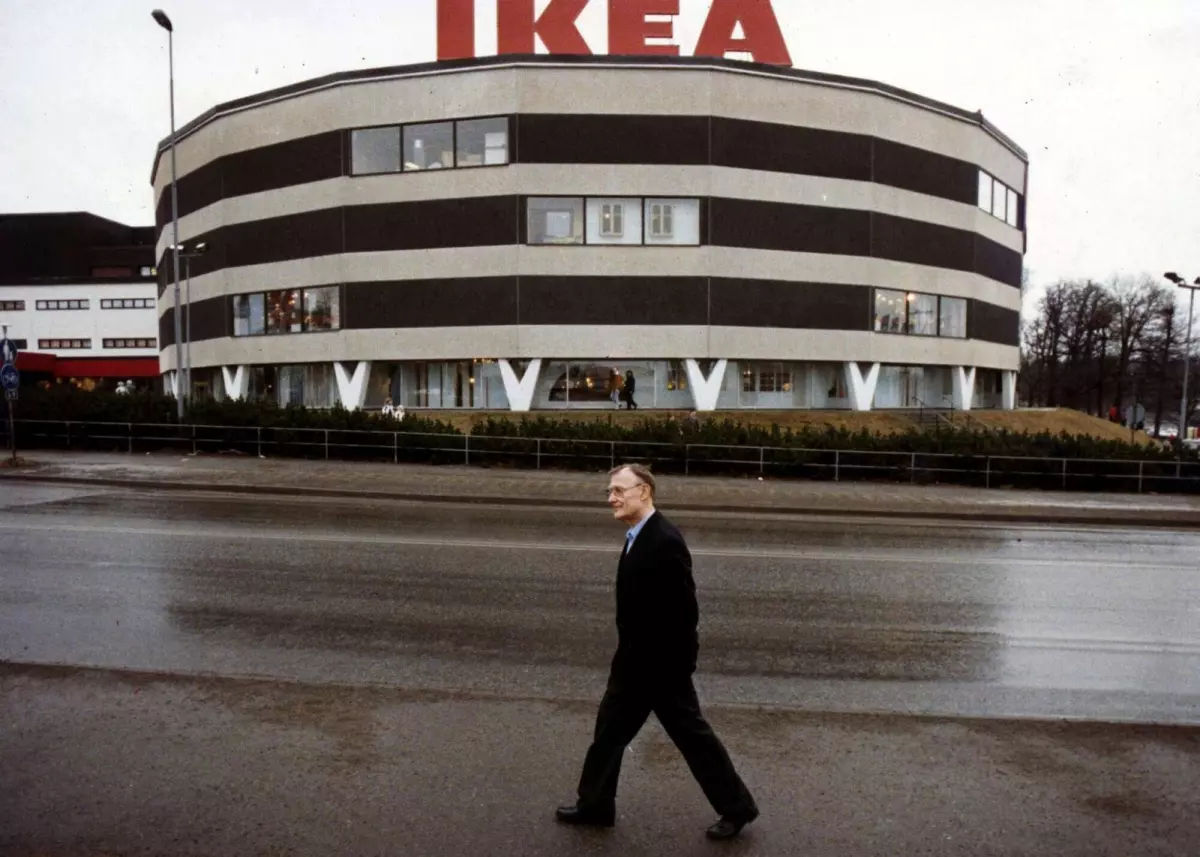
Founded in the early 1940s in the small Swedish town of Älmhult, IKEA revolutionized furniture retail with flat-pack designs, affordable pricing, and a sprawling global store network. However, the company’s sales performance has recently stagnated while raw material costs — especially wood — have soared. Combined with intensifying competition from online platforms, this has eroded profitability and forced strategic changes.
Pressure from Online Marketplaces
According to industry analysts, the modern furniture buyer prioritizes price, convenience and rapid fulfillment, traits that large e-commerce marketplaces specialize in delivering. Platforms such as Amazon and Temu have leveraged massive logistics infrastructure, marketplace reach, and cost-efficient sourcing to attract price-conscious consumers — directly challenging IKEA’s traditional brick-and-mortar advantage.
“Consumers want price, convenience and speed, and they’re more than ready to change stores to get it,” said Clarisse Magnin, senior partner in retail consulting at McKinsey & Co., highlighting how marketplace models have disrupted conventional retail hierarchies.
To stay competitive, IKEA has undergone what executives call one of the “biggest transformations” in company history — shifting away from its historical expansion model to embrace omnichannel retailing, hybrid stores, and new urban store formats designed to bring the brand closer to customers’ everyday lives.
Strategic Reinvention: Stores, Formats and Omni-Channel Growth
Under new leadership at both Inter IKEA, which owns the brand and supply chain, and the Ingka Group, which operates most stores worldwide, the company has prioritized:
- Aggressive pricing and stringent cost management
- Expanding online and hybrid retail platforms
- New store formats — including “Lada,” a smaller footprint suited for mid-sized cities
- Faster delivery and localized logistics hubs
“The store will always remain the backbone of the IKEA experience in an omnichannel world,” said Ingka CEO Juvencio Maeztu, emphasizing that physical showrooms will continue to play a vital role even as e-commerce grows.
This transformation marks a deliberate shift from IKEA’s historic strategy of large, big-box stores on city peripheries toward more accessible, customer-centric formats. The goal is to meet customers where they prefer to shop — whether online, in urban pop-ups, or hybrid fulfillment centers.
Financial Stress and Cost Headwinds
The financial impact of these market shifts has been serious. IKEA’s worldwide franchiser, Inter IKEA, reported a 26 % drop in profit in the fiscal year ending August 31, 2025, even after cutting prices to remain competitive in price-sensitive markets.
Flat sales, rising timber costs, and evolving consumer behaviors have converged to squeeze margins. Meanwhile, rivals like Amazon and Temu are raising customer expectations with faster delivery, flexible returns, and heavily discounted offerings — putting additional pressure on traditional retailers.
Supply Chain Strategy and Environmental Scrutiny
In response to raw material challenges — particularly disruptions caused by sanctions that cut off access to Russian and Belarusian timber — IKEA is strengthening its supply base. Ingka Investments now owns over 330,000 hectares of forest land across central and eastern Europe, a move designed to secure more reliable wood supplies while managing cost pressures.
But this strategy has drawn environmental criticism from groups like Greenpeace, which argue that some logging activities may impact sensitive ecosystems. IKEA counters that it is committed to sustainable forestry and has ambitious emissions reduction targets through 2030, even as critics question the pace and scale of its progress.
A Legacy Under Redefinition
Despite these pressures, IKEA remains a dominant force in global retail with 808 stores, roughly 222,000 employees, and annual sales of €44.6 billion. E-commerce now accounts for approximately 28 % of revenue, and IKEA continues to be a familiar brand in households worldwide.
The company’s unique ownership structure — designed to endure economic shocks and reinvest profits rather than prioritize dividends — gives it strategic flexibility that many competitors lack. As Charles Allen, an analyst at Bloomberg Intelligence, observed, this structure enables IKEA to think in long time horizons and weather downturns more effectively than typical publicly traded retailers.
Looking Ahead: Competing in the Digital Age
IKEA’s future trajectory will hinge on its ability to integrate physical and digital retail experiences, optimize costs, and continue innovating product offerings while maintaining its core brand promise of affordable, functional design.
Market watchers believe IKEA must continue adapting to consumer expectations shaped by digital marketplaces, ensuring the brand remains relevant as platforms like Amazon and Temu redefine competitive benchmarks for speed, convenience, and price.

Related Posts

Massive Blaze Guts Furniture Shops in Bachupally, Hyderabad — No Casualties Reported

Global Furniture Industry Roundup — Current Trends, Challenges, and Market Momentum (March 2026)