CSR vs ESG — What’s the Difference?
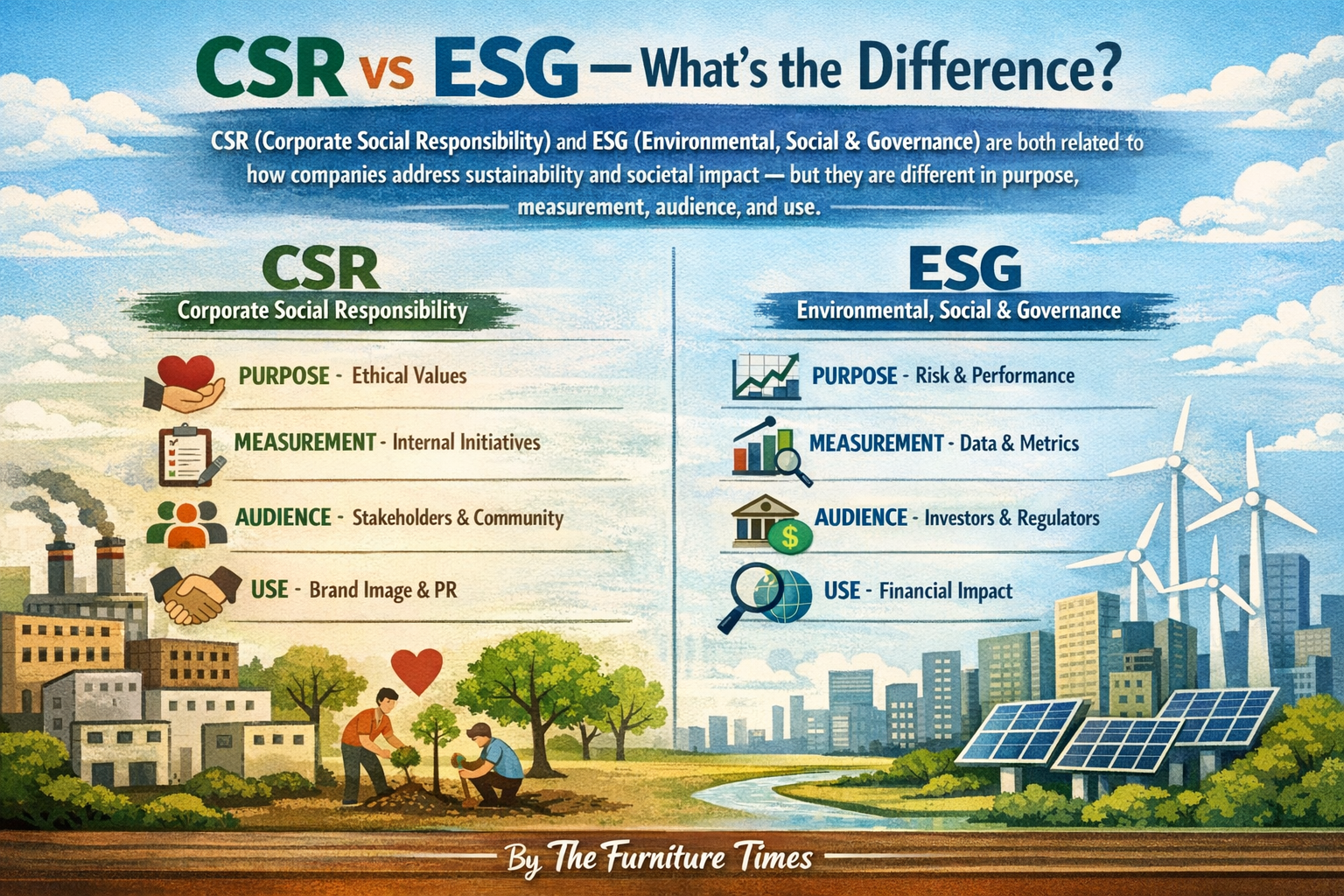
CSR (Corporate Social Responsibility) and ESG (Environmental, Social & Governance) are both related to how companies address sustainability and societal impact — but they are different in purpose, measurement, audience, and use.
1. Purpose and Focus
CSR (Corporate Social Responsibility)
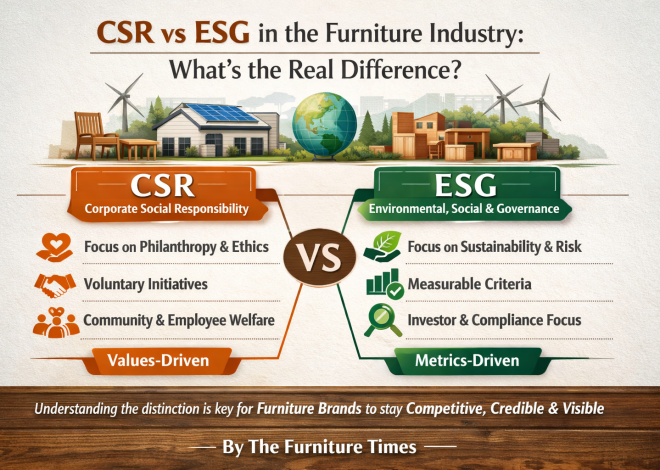
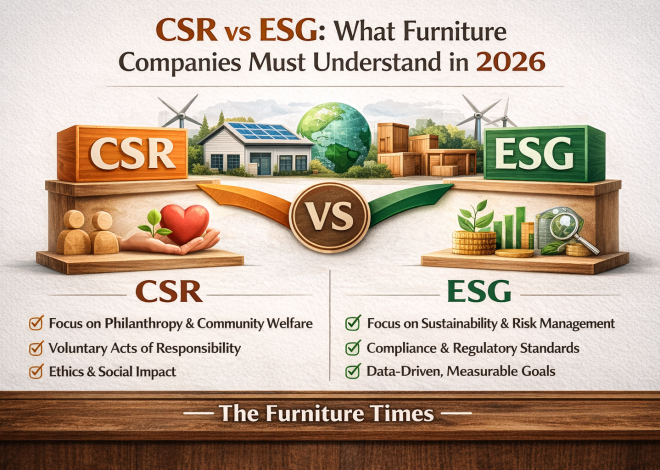
- CSR is about a company’s voluntary commitments to be socially and environmentally responsible.
- It focuses on actions and goodwill such as community engagement, charity partnerships, reducing carbon footprint, and corporate volunteering.
- CSR reflects a company’s values and ethical intentions, often shaped by internal culture and strategic choices.
- It is more qualitative in nature.
ESG (Environmental, Social & Governance)
- ESG is a framework used to measure and report sustainability performance across three key pillars: Environmental, Social, and Governance.
- ESG includes quantitative metrics used by investors, regulators, and stakeholders to assess a company’s long-term sustainability and risk profile.
- It focuses on measurable performance, such as carbon emissions, labor practices, board diversity, and governance standards.
2. Measurement and Reporting
CSR
- CSR typically uses descriptive and narrative reporting, showcasing company programs rather than hard numbers.
- It often appears in sustainability or corporate responsibility reports that highlight activities like fundraising or environmental cleanups.
- These initiatives show intent but may lack standardized measurement.
ESG
- ESG reporting is data-driven and standardized, using metrics that investors and rating agencies can compare across companies.
- ESG frameworks may be aligned with global reporting standards (e.g., GRI, SASB) and are often included in annual or sustainability disclosures.
- Performance in ESG areas can influence investment decisions and company valuation.
3. Audience and Purpose
CSR
- Primarily internal and public-facing. It communicates a company’s values to employees, customers, and communities.
- CSR helps build brand reputation, demonstrate ethical commitments, and support employee engagement.
ESG
- Mainly used by external stakeholders, especially investors, regulators, and financial analysts.
- ESG scores help assess business risk, long-term viability, and sustainability performance before investment or partnership decisions.
4. Integration Into Business Strategy
CSR
- Often exists as a separate initiative or program within the company.
- CSR activities can be voluntary and shaped by leadership priorities.
ESG
- ESG is increasingly embedded into core business strategy, affecting operations, risk management, and corporate governance decisions.
- ESG considerations can influence hiring, governance policies, resource use, and investor reporting.
Key Summary
| Aspect | CSR | ESG |
| Purpose | Voluntary ethical practices | Measurable sustainability performance |
| Focus | Actions and values | Environmental, social, governance criteria |
| Measurement | Qualitative | Quantitative |
| Audience | Employees, communities, customers | Investors, regulators, stakeholders |
| Integration | Often separate | Integrated into business strategy |
In Simple Terms
- CSR tells the story of what a company wants to do for society.
- ESG shows how well it is doing it, using measurable indicators and standardized metrics.