The $700 Billion Question: Can the Global Furniture Industry Survive the Next Decade of Geopolitical Conflict?
By Global Editorial Desk, The Furniture Times
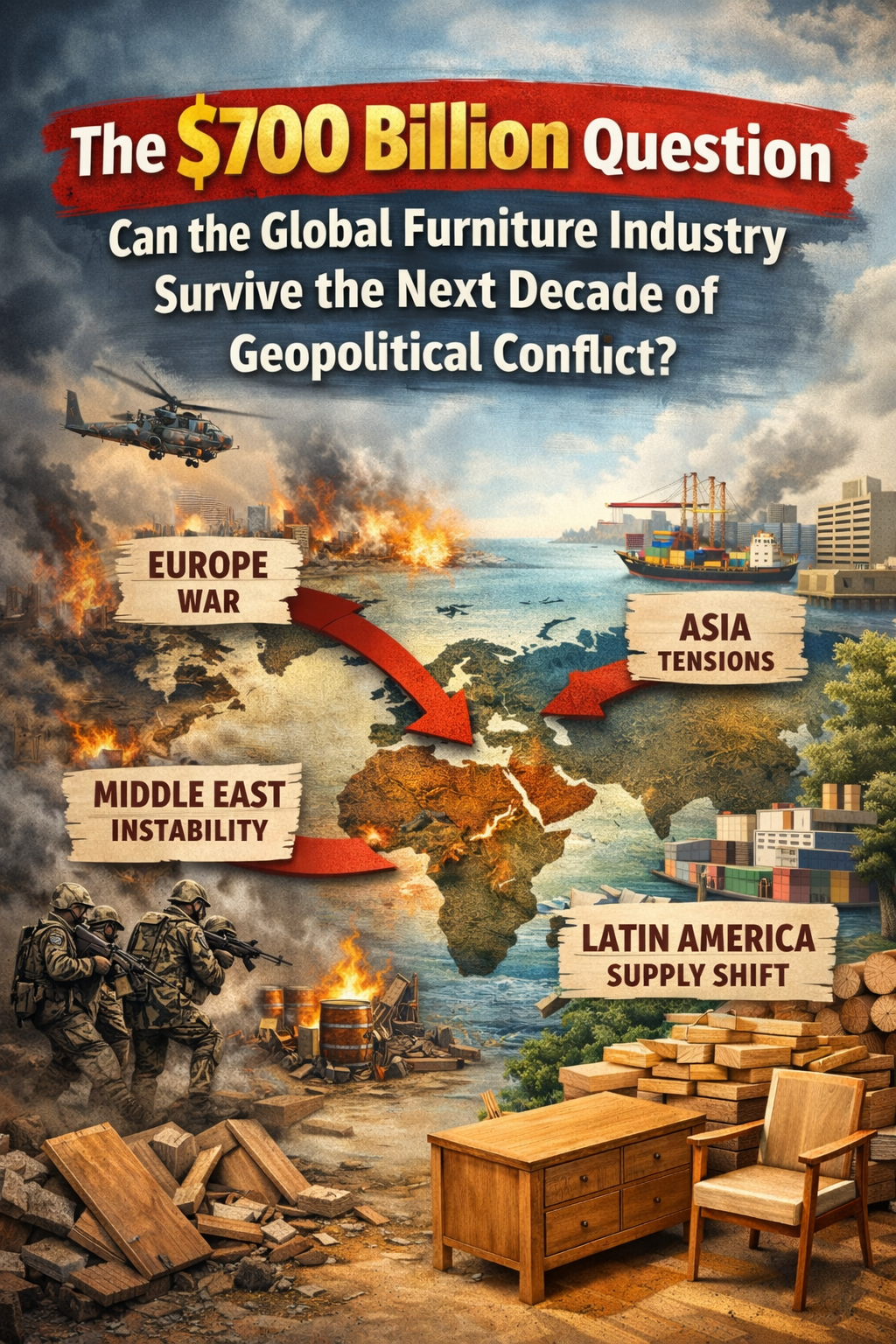
The global furniture industry—valued at nearly $700 billion annually—is entering one of the most uncertain periods in its modern history. For decades, the sector has quietly thrived on globalization, low-cost manufacturing hubs, stable trade routes, and predictable consumer demand.
Today, that stability is increasingly under threat.
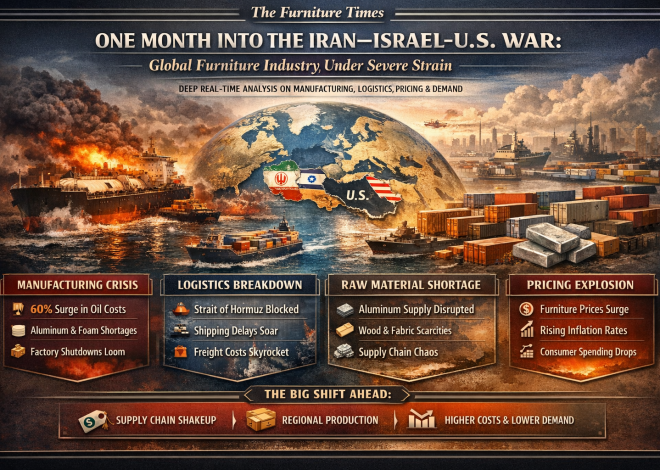
Escalating geopolitical tensions involving the United States, Israel, and Iran have triggered fresh concerns about global security, energy markets, and trade stability. While the immediate focus remains on military developments and energy prices, the long-term economic consequences could ripple through industries far beyond the battlefield.
One of the most vulnerable yet overlooked sectors may be the global furniture industry.
A Global Industry Built on Fragile Supply Chains
Furniture manufacturing today depends on one of the most complex international supply chains in the consumer goods sector.
A single piece of furniture may involve:
• timber sourced from Southeast Asia
• metal hardware from China
• textiles produced in Europe or Turkey
• petrochemical foam derived from Middle Eastern energy markets
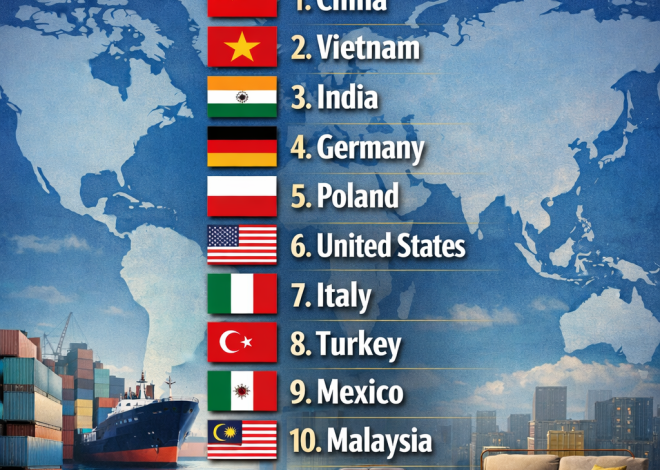
• final assembly in countries such as Vietnam, Malaysia, or Eastern Europe
These interconnected networks have allowed manufacturers to reduce costs and scale production globally. However, they also create a system that is highly sensitive to geopolitical disruptions.
A conflict affecting energy supply, maritime shipping routes, or trade relationships can quickly send shockwaves across the entire furniture ecosystem.
Energy Markets: The Hidden Driver of Furniture Costs
Many consumers do not realize how deeply the furniture industry depends on energy markets.
From wood processing and kiln drying to foam production and global shipping, energy is embedded in nearly every stage of the furniture supply chain.
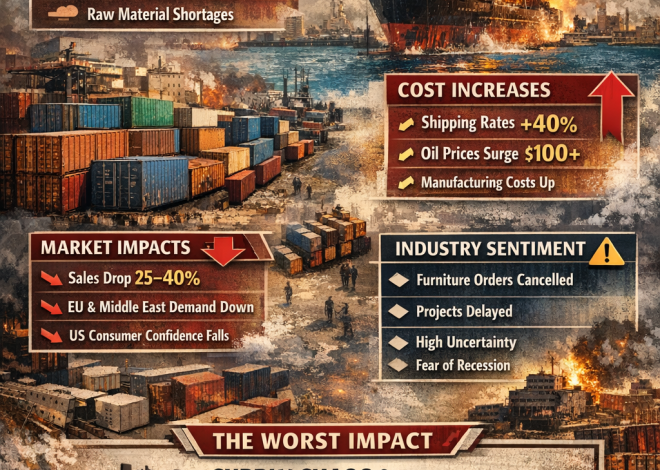
When geopolitical conflicts push oil prices higher, the effects cascade through the industry:
• higher transportation costs
• increased manufacturing expenses
• rising raw material prices
• reduced profit margins for manufacturers and retailers
For companies already operating in a competitive market with tight margins, sustained energy price volatility could present serious challenges.
Shipping Routes and Logistics Under Pressure
Global furniture trade relies heavily on maritime shipping lanes linking Asia, Europe, and North America.
Geopolitical tensions in strategic regions can increase:
• shipping insurance premiums
• freight costs
• delivery delays
• container shortages
When global shipping networks slow down, furniture companies face a domino effect—delayed production schedules, rising logistics costs, and disrupted retail supply chains.
These challenges are particularly severe for export-dependent manufacturers.
Consumer Demand in an Uncertain Economy
Perhaps the most significant risk facing the furniture industry lies on the consumer side.
Furniture is considered a discretionary purchase, meaning consumers often delay buying new furniture during periods of economic uncertainty.
Geopolitical conflicts tend to trigger broader economic consequences such as:
• inflation
• interest rate increases
• reduced housing construction
• declining consumer confidence
When households tighten their budgets, furniture purchases are frequently among the first expenses postponed.
This dynamic makes the industry particularly sensitive to global economic instability.
The Real Estate Domino Effect
Furniture demand is closely tied to construction activity.
Every new home, hotel, office building, or retail space requires furniture.
If geopolitical tensions slow global economic growth, the construction sector may experience delays in projects or reduced investment.
This creates a domino effect:
less construction → fewer interior spaces → lower furniture demand.
A Structural Shift in Global Manufacturing
Despite the risks, the next decade may also bring major transformation opportunities.
Many companies are already rethinking their global manufacturing strategies.
Instead of relying on long-distance supply chains, businesses are exploring:
• regional manufacturing hubs
• near-shoring production
• diversified supplier networks
Countries with strong domestic markets and strategic geographic positions could emerge as new production centers.
Innovation as a Survival Strategy
The furniture industry may also accelerate innovation in response to geopolitical uncertainty.
Potential shifts include:
• increased use of recycled materials
• lower-energy production technologies
• digital supply chain monitoring systems
• modular furniture designs requiring fewer raw materials
Companies that adapt quickly to these changes may gain competitive advantages in a rapidly evolving market.
The Next Decade: Risk or Reinvention?
The coming decade may represent a defining moment for the furniture industry.
Geopolitical instability, energy transitions, and evolving consumer behavior are converging to reshape global markets.
While these pressures create significant risks, they also open the door for strategic reinvention.
Manufacturers, retailers, and designers who prioritize resilience, innovation, and diversified supply chains may emerge stronger from this period of transformation.
The Furniture Times Perspective
For The Furniture Times, the global furniture industry stands at a critical crossroads.
Once viewed primarily as a lifestyle and consumer goods sector, furniture manufacturing now sits at the intersection of energy markets, global trade, geopolitics, and economic stability.
Understanding these connections will be essential for industry leaders navigating the years ahead.
The question facing the industry is no longer simply about design trends or market demand.
It is about resilience in an increasingly uncertain world.
And that is the $700 billion question.