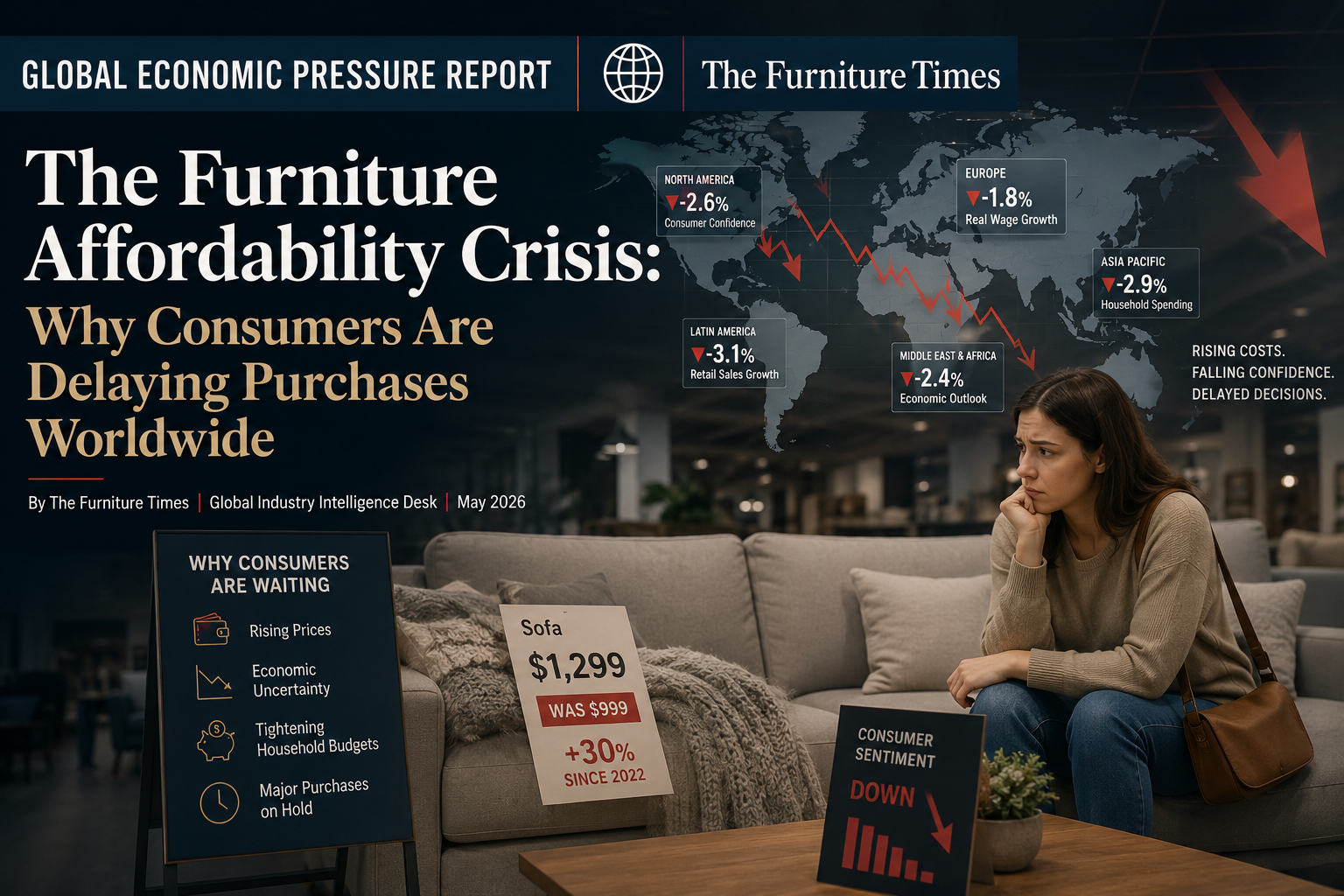
The Furniture Affordability Crisis: Why Consumers Are Delaying Purchases Worldwide
Global Economic Pressure Report | The Furniture Times
By The Furniture Times | Global Industry Intelligence Desk | May 2026
A silent crisis is spreading across the global furniture industry.
Consumers are not necessarily stopping their desire to buy furniture.
But increasingly, they are delaying the decision.
Across homes, retail markets, hospitality projects, offices, and real estate developments, the same pattern is emerging:
“We’ll wait a little longer.”
That hesitation is now becoming one of the biggest economic pressures affecting the global furniture ecosystem.
Behind this shift are:
- inflation
- rising living costs
- housing slowdowns
- economic uncertainty
- higher borrowing costs
- consumer fear
The result is a growing affordability crisis impacting:
- manufacturers
- retailers
- suppliers
- project developers
- workers
- consumers themselves
The Global Consumer Mood Has Changed
The furniture industry has always been connected to confidence.
When people feel financially secure, they:
- renovate homes
- upgrade furniture
- open businesses
- launch projects
- invest in interiors
But when uncertainty rises, furniture becomes one of the first purchases people delay.
The Emotional Side of the Economy
Consumers globally are increasingly asking:
- “Can I afford this right now?”
- “Should I wait?”
- “Will prices fall later?”
- “What if the economy worsens?”
This emotional hesitation is quietly slowing the furniture economy.
The affordability crisis is not only financial.
It is psychological.
1. Inflation Is Pressuring Every Layer of the Industry
Inflation continues affecting:
- fuel
- food
- rent
- utilities
- transportation
- construction
- raw materials
As living costs rise, discretionary spending becomes more difficult. Furniture purchases are increasingly delayed because households prioritize:
- essentials
- savings
- financial stability
Rising Production Costs
At the same time, furniture manufacturers face:
- higher wood prices
- rising foam costs
- expensive logistics
- energy volatility
- labor pressure
These costs eventually increase final retail prices. Furniture businesses are squeezed from both sides:
- higher production costs
- weaker consumer confidence
2. Housing Slowdowns Are Hurting Furniture Demand
The furniture industry is deeply connected to housing markets.
When housing slows:
- furniture demand slows
- renovation projects delay
- interior spending weakens
What’s Happening Globally
Many markets are experiencing:
- higher mortgage rates
- slower real estate transactions
- cautious property investment
- delayed construction projects
Why This Matters
Every:
- new apartment
- hotel
- office
- villa
- condominium
creates furniture demand.
When projects slow, the entire furniture supply chain feels the impact. The housing economy and the furniture economy move together.
3. Consumer Fear Is Quietly Reshaping Buying Behavior
One of the biggest hidden forces affecting furniture demand is fear.
Consumers today are increasingly uncertain about:
- job security
- inflation
- global conflict
- economic stability
This creates cautious spending behavior.
The New Consumer Psychology
Consumers are:
- comparing prices longer
- delaying upgrades
- buying smaller quantities
- choosing cheaper alternatives
- postponing non-essential purchases
Even Wealthier Consumers Are Becoming Selective
Luxury demand still exists, but buyers are becoming:
- more cautious
- more research-driven
- more value-focused
Emotional uncertainty is becoming a major economic force.
4. Rising Furniture Prices Are Changing the Market
Furniture prices globally continue facing pressure from:
- shipping costs
- energy costs
- raw materials
- labor expenses
- currency fluctuations
What Consumers Are Seeing
- fewer discounts
- longer delivery times
- smaller promotional offers
- higher retail pricing
The Impact on Retailers
Retailers are struggling to balance:
- profitability
- customer affordability
- inventory costs
- discount pressure
Many businesses face shrinking margins while consumers continue demanding lower prices. The affordability gap between production cost and consumer expectation is widening.
5. Project Delays Are Affecting the Entire Ecosystem
The impact goes far beyond household furniture.
Project-driven sectors are also slowing:
- hospitality
- commercial offices
- real estate
- retail development
Developers Are Becoming More Cautious
Projects are increasingly:
- delayed
- phased
- resized
- budget-controlled
Why This Matters
Large projects drive massive demand for:
- hotel furniture
- office systems
- wardrobes
- kitchens
- custom interiors
When projects slow, factories lose production volume. One delayed project can affect hundreds of workers and multiple suppliers.
6. SMEs & Workers Feel the Pressure First
Large corporations may survive slower demand cycles.
But SMEs often suffer first.
Challenges Facing Smaller Businesses
- weaker cash flow
- delayed customer payments
- inventory pressure
- rising operational costs
- lower order volume
Workers Are Also Affected
When orders slow:
- overtime decreases
- hiring slows
- factory shifts reduce
- income becomes unstable
The affordability crisis is affecting real families behind the industry.
7. The Industry Is Entering the “Value Economy”
Consumers are becoming more selective.
This does not mean furniture demand disappears.
It means:
- buyers demand better value
- purchasing decisions take longer
- trust matters more
- communication matters more
- visibility matters more
Businesses Must Adapt
Furniture companies increasingly need:
- flexible pricing
- faster communication
- financing options
- stronger customer experience
- better digital visibility
8. Digital Discovery Is Becoming More Important
As consumers become cautious, they spend more time:
- researching online
- comparing suppliers
- checking reviews
- evaluating alternatives
This Creates a Major Shift
Businesses that are:
- visible
- searchable
- responsive
- digitally active
gain advantage during uncertain times.
In the uncertainty economy, visibility becomes survival infrastructure.
TFT Deep Industry Insight
The furniture affordability crisis is not only about furniture.
It reflects a larger global shift:
- cautious consumers
- uncertain economies
- rising operational pressure
- changing buying psychology
The industry is entering a period where:
- trust matters more
- value matters more
- speed matters more
- resilience matters more
Strategic Recommendations
For Manufacturers
Focus on flexibility, operational efficiency, and diversified markets.
For Retailers
Improve customer trust, communication, and financing flexibility.
For Suppliers
Strengthen digital visibility and faster quotation systems.
For Industry Platforms
Connected ecosystems and communication infrastructure will become increasingly important during uncertainty periods.
Final Thought
Consumers still want:
- beautiful homes
- better living spaces
- functional interiors
- comfort
But economic pressure is changing how and when they buy.
The furniture affordability crisis is becoming one of the defining business challenges of 2026.
The businesses that survive this period may not be those with the biggest factories.
They may be the ones that are:
- most adaptable
- most visible
- most trusted
- most connected to evolving consumer behavior

Related Posts
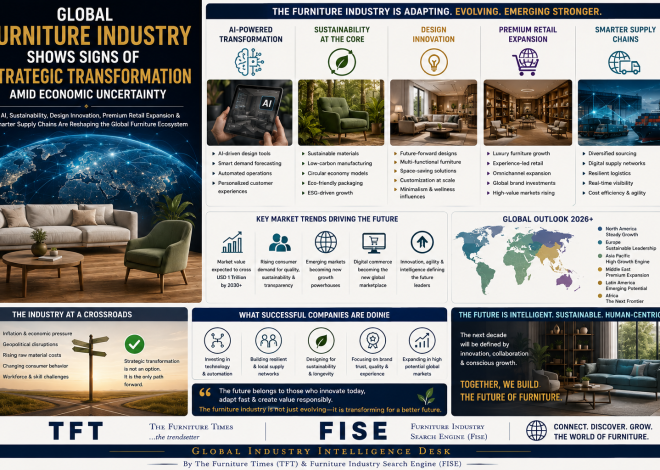
Global Furniture Industry Shows Signs of Strategic Transformation Amid Economic Uncertainty
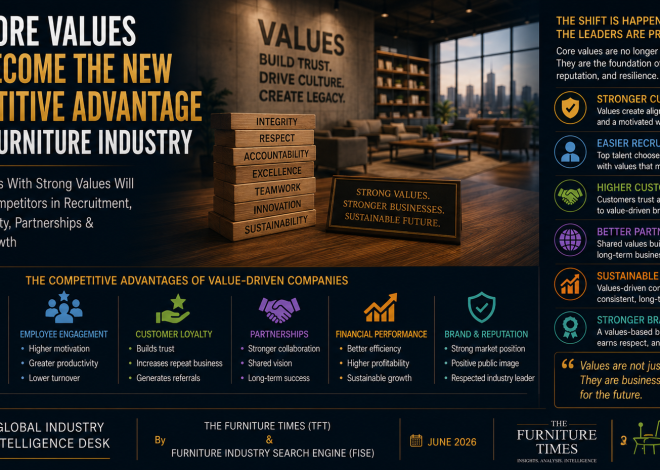
Why Core Values Will Become the New Competitive Advantage in the Furniture Industry