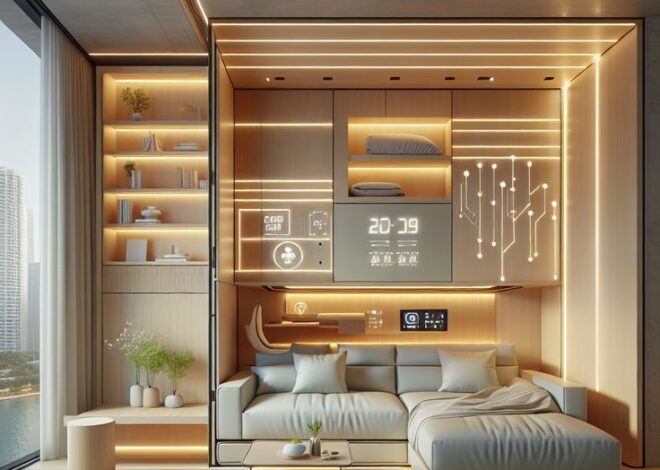
Material-Based Manufacturing: The Art and Science Behind Wood, Metal, Rattan, and Upholstery Furniture
In the world of furniture, material is more than a medium — it is the soul that defines character, durability, and design. Material-based manufacturing brings together traditional artistry and modern innovation, transforming wood, metal, rattan, and upholstery into furniture that tells timeless stories. From the warmth of solid wood to the sleekness of metal, the organic touch of rattan, and the luxurious comfort of upholstery, each material plays a defining role in shaping how we live and feel in our spaces.
Wood: The Eternal Symbol of Craftsmanship
Wood stands as the foundation of the furniture world — natural, versatile, and enduring. It offers beauty that matures with time, blending seamlessly into both modern and classic interiors.
- Common Types: Teak, oak, walnut, pine, and mahogany.
- Advantages: Durable, renewable, easy to restore, and timeless in appeal.
- Applications: Dining tables, cabinets, bed frames, and chairs.
- Sustainability: Brands are shifting to FSC-certified and reclaimed wood to promote eco-conscious production.
Wooden furniture exudes warmth, reliability, and a sense of heritage — making it a choice for those who value natural aesthetics and longevity.
Metal: Strength Meets Modern Minimalism
Metal furniture reflects strength, precision, and contemporary elegance. Its versatility allows designers to craft sleek, lightweight, and durable pieces that fit modern lifestyles.
- Popular Metals: Stainless steel, aluminum, and wrought iron.
- Advantages: Corrosion-resistant, long-lasting, easy to maintain.
- Applications: Bed frames, dining sets, outdoor furniture, and accent pieces.
- Trends: Hybrid styles that combine wood and metal for industrial yet cozy aesthetics.
Metal furniture has become the symbol of urban sophistication — offering resilience and modern design for both residential and commercial environments.
Rattan: Nature’s Signature in Modern Design
Rattan furniture embodies craftsmanship, sustainability, and comfort. Whether natural or synthetic (PE rattan), it brings an earthy charm to indoor and outdoor settings.
- Advantages: Lightweight, flexible, eco-friendly, and weather-resistant.
- Applications: Lounge chairs, dining sets, swings, daybeds, and décor pieces.
- Craftsmanship: Often handwoven, reflecting artisanal skill and cultural tradition.
- Sustainability: Natural rattan grows quickly, promoting eco-balance and supporting local artisans.
Today’s rattan furniture blends traditional weaving with modern forms — making it a global trend in hospitality, homes, and resorts.
Upholstery: The Art of Comfort and Expression
Upholstery defines the comfort, color, and personality of furniture. It transforms wood and metal frames into statement pieces that express elegance and lifestyle.
- Materials Used: Leather, linen, velvet, polyester, and eco-fabrics.
- Advantages: Offers comfort, color flexibility, and customization.
- Applications: Sofas, chairs, ottomans, and headboards.
- Innovation: The rise of stain-resistant, antimicrobial, and sustainable fabrics is redefining comfort.
Upholstery connects artistry and ergonomics, creating furniture that feels luxurious, functional, and emotionally comforting.
Fusion of Materials: The Future of Furniture Design
The next era of furniture manufacturing lies in material fusion — blending wood with metal, rattan with fabric, or upholstery with sustainable frames. This design evolution promotes creativity and durability while meeting diverse consumer tastes.
Manufacturers are also adopting AI-based quality control, 3D material modeling, and sustainable fabrication processes to ensure efficiency and environmental responsibility.
Sustainability: Redefining the Material Philosophy
The global shift toward sustainability is reshaping how furniture is designed and produced. Manufacturers now focus on eco-friendly materials, low-emission coatings, and circular design principles.
Consumers, too, are becoming more aware — preferring long-lasting, repairable, and ethically produced furniture over disposable trends.
Sustainability is not just a feature; it’s the new language of luxury.
Conclusion
Material-based manufacturing is the art of balancing tradition with innovation. Each material — wood, metal, rattan, and upholstery — contributes to creating furniture that defines lifestyles and inspires generations.
At The Furniture Times, we celebrate this craftsmanship and the brands that continue to innovate responsibly. Whether you are a manufacturer, designer, or furniture enthusiast, understanding materials helps you appreciate the beauty behind every creation.
Let’s build a future where every material tells a meaningful story — sustainable, stylish, and strong.

Related Posts
Independent Retailers: The Heartbeat of Furniture Design — Showrooms & Designer Stores Shaping Global Trends

Furniture Retailers & Online Stores: Redefining E-commerce and D2C Brands in the Digital Age