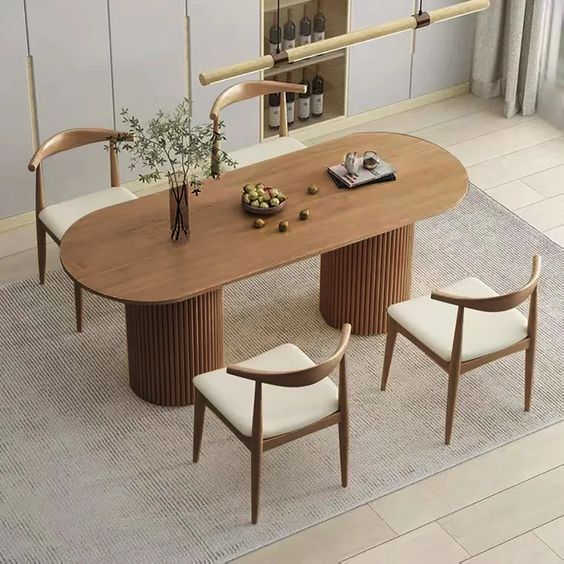
How to Identify Authentic Teak Wood: A Comprehensive Guide
By The Furniture Times – Bringing Furniture Brands into the Global Spotlight
Teak wood has long been celebrated for its timeless beauty, strength, and resilience. From luxury furniture to outdoor decking, it remains one of the most sought-after materials in the world. However, as teak’s popularity continues to rise, so do imitations — making it essential for buyers, retailers, and furniture enthusiasts to recognize genuine teak wood.
This comprehensive guide by The Furniture Times, the global furniture news distributor spotlighting premium brands and manufacturers, will help you identify real teak wood with confidence and clarity.
Table of Contents
- The Importance of Identifying Authentic Teak
- Key Characteristics of Genuine Teak Wood
- Teak vs. Other Woods: How to Tell the Difference
- Teak vs. Oak, Maple, and Mahogany
- Teak vs. Pine and Cedar
- Spotting Teak Wood in Furniture
- Price as an Authenticity Indicator
- Conclusion: Choosing Authentic Teak with Confidence
- The Importance of Identifying Authentic Teak
Recognizing genuine teak wood is crucial when investing in premium furniture. Authentic teak not only delivers unmatched longevity but also retains its elegance for generations. Understanding how to differentiate true teak from its replicas helps ensure your investment translates into quality, durability, and value.
- Key Characteristics of Genuine Teak Wood
Teak wood (Tectona Grandis) is known for its exceptional balance of beauty and resilience.
- Color: Fresh teak has a golden-brown tone that matures into a sophisticated silvery-gray patina over time.
- Texture: Smooth yet oily to the touch, thanks to its natural protective oils.
- Grain Pattern: Straight or wavy with occasional dark streaks.
- Durability: Resistant to rot, pests, and moisture — ideal for both indoor and outdoor use.
- Aroma: A subtle, leathery scent — one of teak’s most distinctive identifiers.
- Teak vs. Other Woods: How to Tell the Difference
Comparison with Hardwoods:
- Teak vs. Oak: Teak has a richer golden hue, a more irregular grain, and greater resistance to moisture.
- Teak vs. Maple: Denser and heavier than maple, teak also emits a distinctive leather-like smell that maple lacks.
- Teak vs. Mahogany: While both are hardwoods, teak leans toward yellowish-golden tones, whereas mahogany displays deeper reddish-brown shades.
Comparison with Softwoods:
- Teak vs. Pine: Pine is much lighter with visible knots and lacks the oily finish of teak.
- Teak vs. Cedar: Cedar has a stronger aromatic scent, while teak maintains a milder fragrance with superior density.
- Spotting Teak Wood in Furniture
Physical Traits to Observe:
- Grooves: Real teak displays darker, parallel grain lines and a smooth, even texture.
- Color & Weight: Authentic teak furniture is noticeably heavier and possesses a warm golden-brown color.
- Surface Feel: Run your hand along the surface — genuine teak feels naturally smooth with a light, oily touch.
- Knots: Genuine teak has minimal knots compared to imitations.
- Price as an Authenticity Indicator
Teak’s rarity and durability contribute to its premium cost. If a piece of “teak” furniture is priced unusually low, it’s likely not genuine. Real teak furniture commands higher prices due to the wood’s quality, longevity, and legal sourcing standards.
- Conclusion: Choosing Authentic Teak with Confidence
Identifying authentic teak wood empowers consumers and professionals alike to make smart, lasting investments. Its natural strength, rich texture, and timeless appeal make it a true symbol of quality craftsmanship.
When choosing teak furniture, always buy from trusted, verified brands that adhere to ethical sourcing and sustainable practices.
At The Furniture Times, we continue to spotlight furniture brands and manufacturers committed to authenticity, quality, and sustainability — ensuring that the beauty of real teak continues to define elegance across the global industry.

Related Posts

Independent Retailers: The Heartbeat of Furniture Design — Showrooms & Designer Stores Shaping Global Trends

Furniture Retailers & Online Stores: Redefining E-commerce and D2C Brands in the Digital Age