
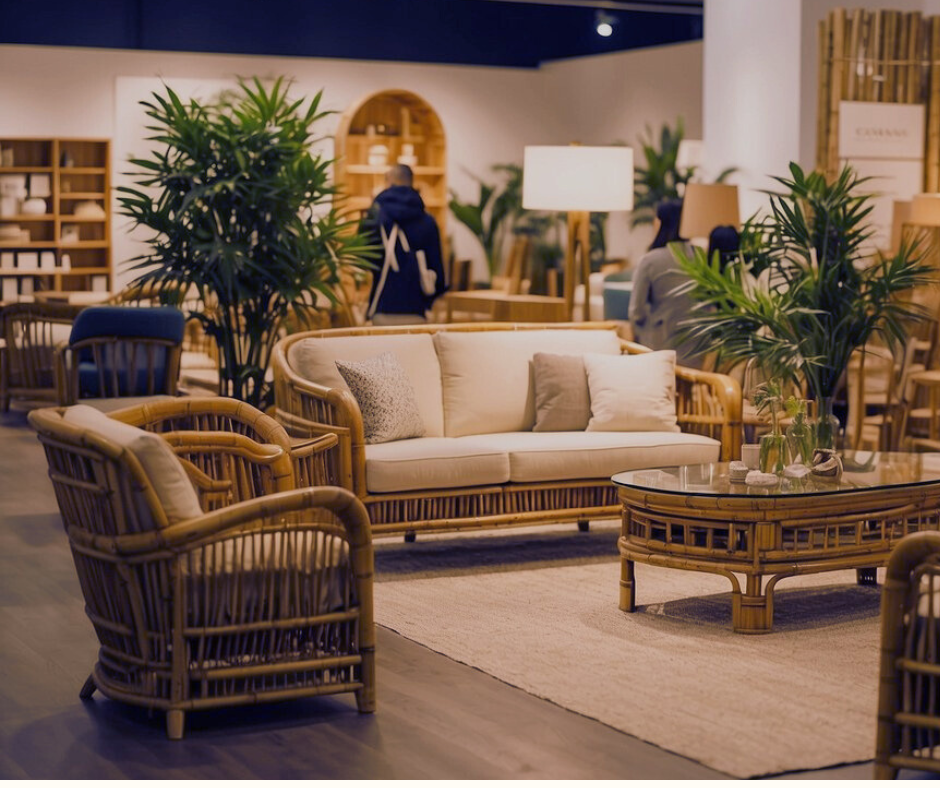
Bamboo Furniture: A Sustainable Revolution for the Global Furniture Industry
As global awareness around sustainability intensifies, bamboo — long underrated and overshadowed by hardwood timber — is now emerging as a game-changer for furniture makers, designers, retailers, and buyers worldwide. What started as a niche eco-friendly alternative has evolved into a robust, high-potential material platform — and now the world is taking notice.
Why Bamboo Is the Future
Bamboo grows rapidly, often reaching maturity in just 3 to 5 years — a fraction of the decades-long cycle for traditional hardwoods. asean-sourcing.com+2info.frim.gov.my+2
This rapid renewability translates into a far lighter environmental footprint, significantly reducing deforestation pressures. Garanord+2GREENER FUTURE JSC.+2
Moreover, bamboo delivers impressive mechanical strength and durability, making it a viable material for everything from indoor furniture to sturdy outdoor sets. proceedings.unikom.ac.id+1
Economically, bamboo furniture offers a win-win: it carries lower raw material and production costs compared to many hardwoods, while providing long-lasting quality — an attractive proposition for both manufacturers and consumers. Fuzhou Minhou Aicai Trading Co., Ltd+2IBS Home Builders+2
Malaysia Leading the Shift
In Malaysia, the momentum behind bamboo is real. The government’s Bamboo Industry Development Action Plan (2021–2030) seeks to promote bamboo-based composites in furniture manufacturing, supporting innovation, quality assurance, and sustainable growth. UTHM News+2Malay Mail+2
With over 70 native bamboo species and decades of research supporting bamboo’s commercial viability, Malaysia is uniquely positioned to become a global hub for bamboo furniture. Malay Mail+2info.frim.gov.my+2
Global Trends: Bamboo Is Gaining Ground
International design and furniture markets are rapidly embracing bamboo. From elegant indoor furniture to outdoor lounge sets and minimalist decor, bamboo’s versatility, lightweight aesthetics, and eco-credentials are reshaping global consumer preferences. Sustainability Solutions Exchange+2magicbambu.com+2
For manufacturers and exporters, this shift opens new growth lanes. As demand grows for eco-friendly, sustainable furniture — especially in eco-conscious markets in Europe, North America, and Asia — businesses using bamboo stand to gain a competitive edge.
Challenges: Adoption, Awareness, and Investment
Despite its potential, bamboo adoption still faces hurdles. Some traditional wood-based manufacturers remain hesitant to pivot due to unfamiliarity with bamboo processing techniques and supply chain limitations. UTHM News+1
Also, consumer awareness remains uneven — many buyers still associate furniture quality with traditional hardwood, not realizing the strength, durability, and sustainability of modern bamboo furniture. asean-sourcing.com+1
Scaling bamboo furniture requires investment in research, quality processing methods, and strong collaboration between governments, industry, and designers to meet international standards. UTHM News+2Malay Mail+2
Action Call: Time to Embrace Bamboo Worldwide
For furniture manufacturers, retailers, designers, and exporters — the time to act is now.
- Manufacturers & Factories: Begin integrating bamboo into your raw material sources, adapt production lines, and explore bamboo-based design lines.
- Retailers & Exporters: Market bamboo furniture as eco-friendly, affordable, and durable to appeal to conscious consumers.
- Designers & Creatives: Harness bamboo’s flexibility and natural aesthetic — from modern, minimalist pieces to sustainable luxury statements.
- Policy Makers & Industry Allies: Support bamboo industry through favorable incentives, R&D funding, and sustainable forestry policies.
Conclusion: Bamboo — More Than Trend, It’s the Future
As global priorities shift toward sustainability, bamboo furniture stands out not just as a “green alternative,” but as a smart, scalable, and commercially viable future for the furniture industry.
Markets are opening, governments are backing the shift, and global consumers are increasingly embracing eco-conscious lifestyles. For the furniture world — manufacturers, retailers, designers, and buyers alike — bamboo isn’t just a material. It’s an opportunity — an opportunity to build furniture and businesses that last, while preserving the planet.
If you’re part of the furniture ecosystem, now is the time to lean in, adapt, and lead with bamboo.

Related Posts

Saudi Arabia’s Furniture Boom: Market to Almost Double by 2034 — Global Suppliers, Take Note

Global Furniture Alert: Major U.S. Chain Files for Bankruptcy & Closes Stores — How It Affects the Industry
